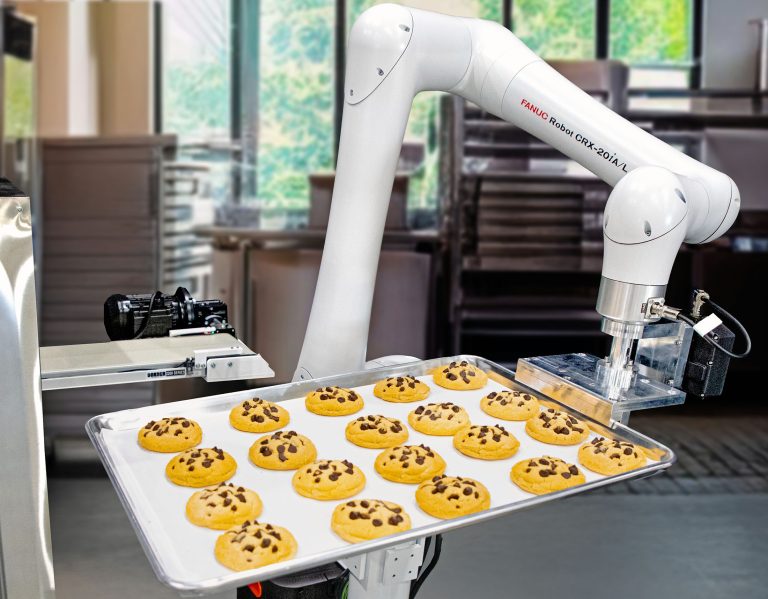
MWES to Debut Baking Cobot Platform at IBIE 2025
Flexible Bakery Automation Built for Real-World Production Midwest Engineered Systems (MWES) will debut the BakerMateTM —a collaborative robot platform designed specifically for the baking industry— at The International Baking Industry Exposition (IBIE), taking place September 14–17, 2025 in Las Vegas. Responding to the needs of retail, commercial, and wholesale bakers aiming
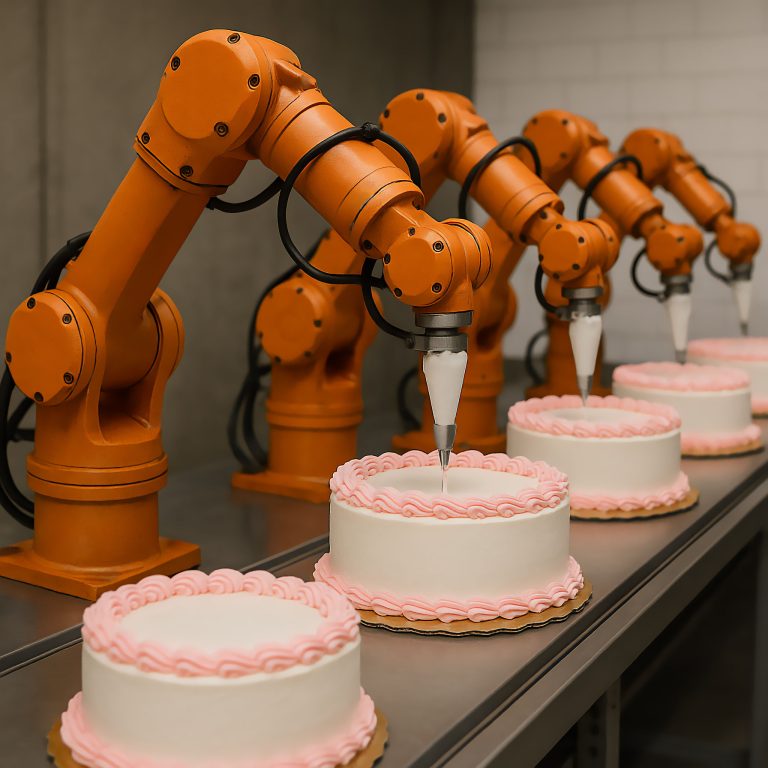
Why Doesn’t Your Automation ROI Add Up? Look Upstream
Readability Troubleshooting Automation ROI: Identifying Upstream Process Inefficiencies Many manufacturers invest in automation expecting significant returns, only to find the ROI falling short. Often, the issue isn’t with the automation itself but with upstream processes that haven’t been optimized. This article explores how upstream inefficiencies can hinder automation ROI and
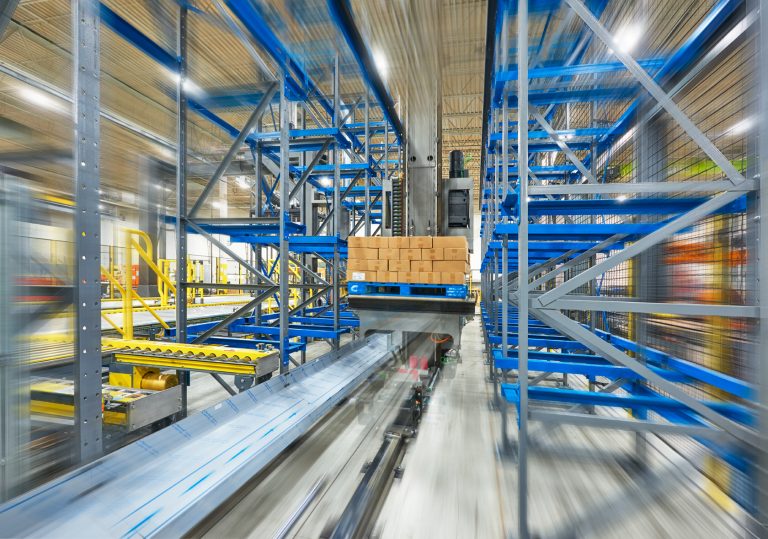
AS/RS Buffer Systems: Warehousing on a Whole New Level
Warehouse management is a complex and challenging task that requires efficient and reliable solutions. One of the most innovative and effective solutions is the automated storage and retrieval system (AS/RS) buffer system, designed to optimize inventory storage and retrieval, reduce travel time, increase throughput and enhance flexibility.
Food Industry Automation: More Than Just Labor Savings
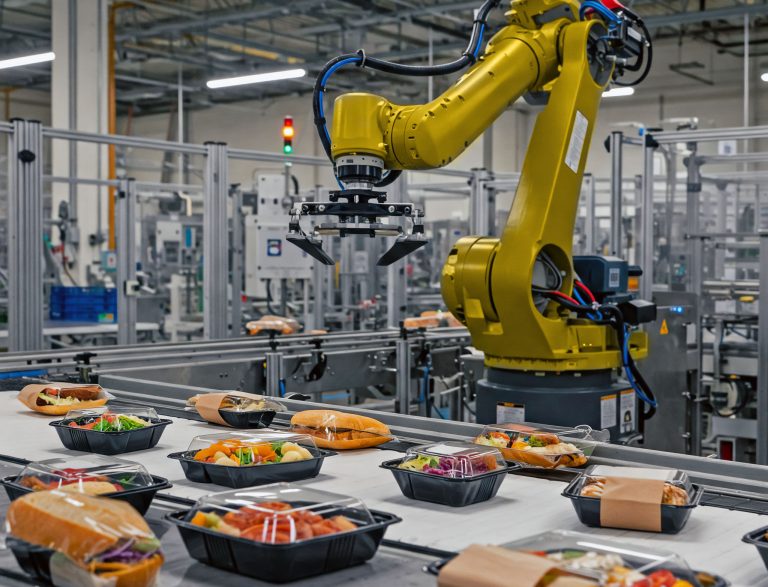
When it comes to automating food production lines, labor is usually the main driver—and for good reason. The American Bakers Association predicts a shortage of over 53,000 workers in the baking industry by 2030. Organizations like the North American Meat Institute are echoing similar concerns across food sectors. With current
Robotic Automation is Revolutionizing the Food Packaging Industry
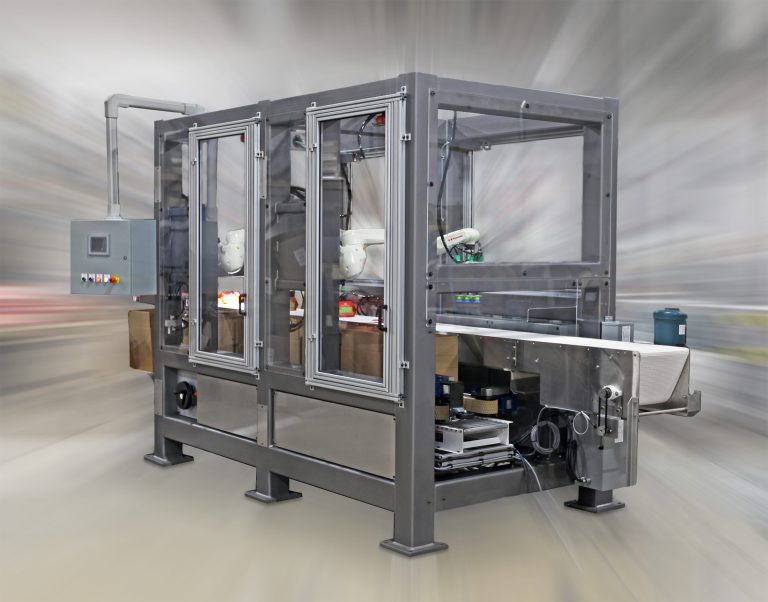
The food packaging industry is one of the world’s most important and challenging sectors, as it involves preserving, protecting and transporting food to billions of people every day. However, it also faces many issues, such as increasing demand, labor shortages, food safety issues, rising costs, environmental impact and evolving consumer
Collaborative Robots for Food Industry Applications
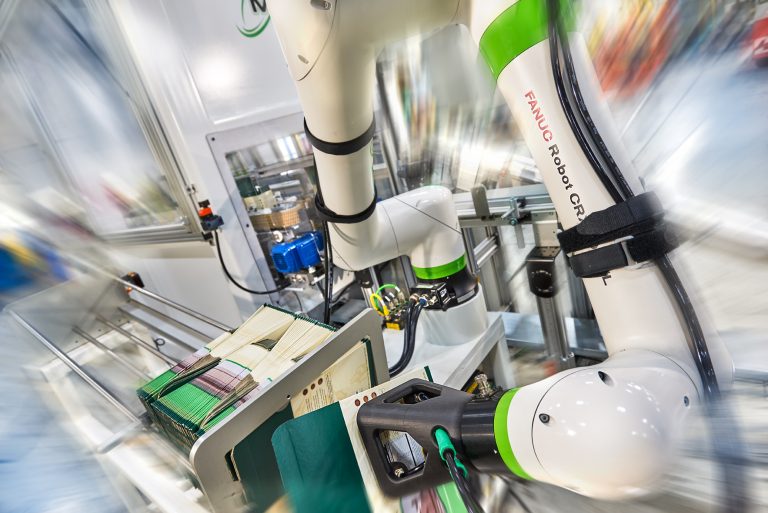
Collaborative Robots Revolutionizing Food Manufacturing Collaborative robots (cobots) are transforming the food industry by offering innovative solutions to labor shortages, production flexibility, and safety challenges. As the fastest-growing segment of industrial robotics, cobots are designed to work alongside humans, boosting efficiency while maintaining safe and productive workflows. At
Using Robots to Enhance Food Safety
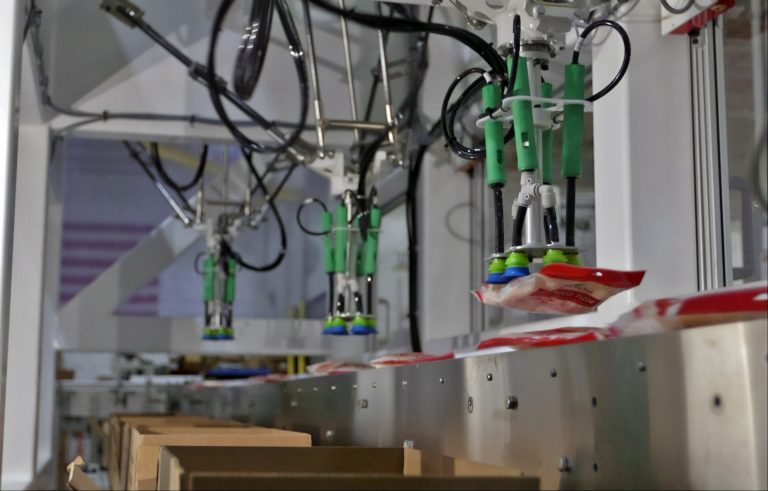
On average about 48 million people get sick each year from foodborne diseases, according to data from the Centers for Disease Control and Prevention (CDC). This is a significant public health burden that can be prevented. To bring those numbers down, maintaining the highest standards of safety and hygiene in
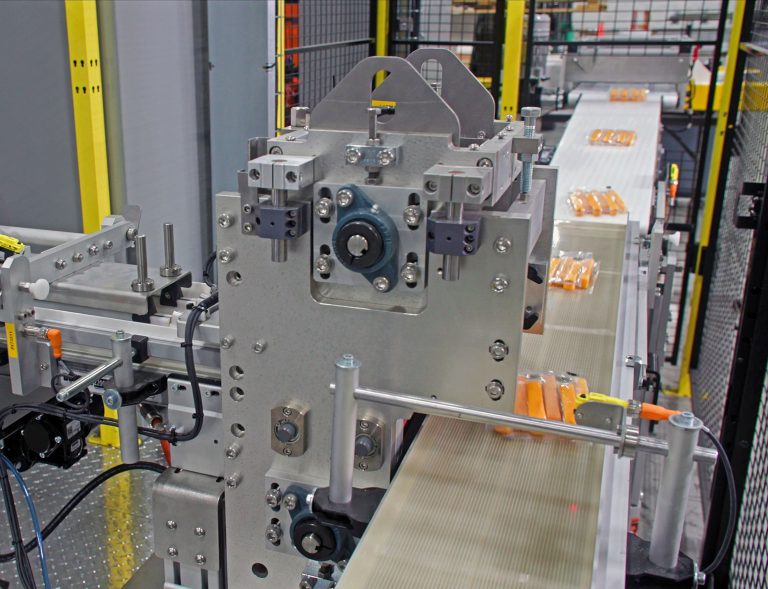
MWES Introduces a Dedicated Division Providing Automation for the Food & Beverage Sector
In keeping with our ongoing growth, Midwest Engineered Systems Inc. (MWES) has welcomed Chuck Sena as our new Food Industry Business Unit Manager. With over 30 years of experience in packaging and process automation for the food and beverage sector, Chuck brings a wealth of knowledge to the team. Peter
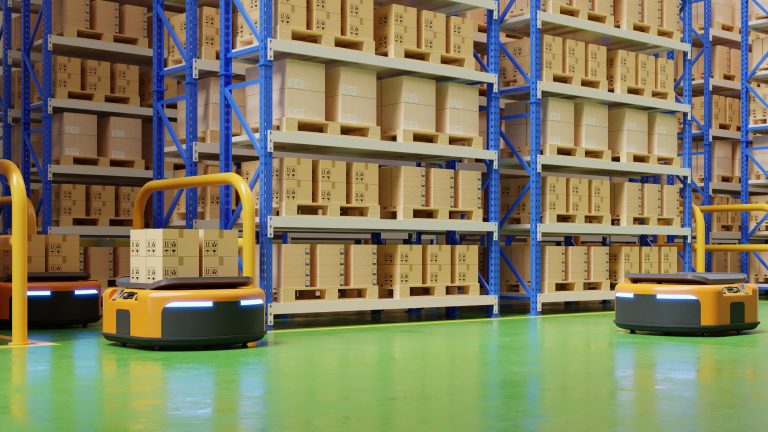
Stay Ahead of Supply Chain Shortages with a Just-in-Case Automated Warehousing Strategy
In the dynamic world of logistics and supply chain management, inventory strategies play a pivotal role in ensuring businesses can meet customer demand without incurring unnecessary costs. Traditionally, businesses have relied on a Just-In-Time (JIT) production strategy. However, more companies are increasingly shifting from a JIT strategy to a Just-In-Case
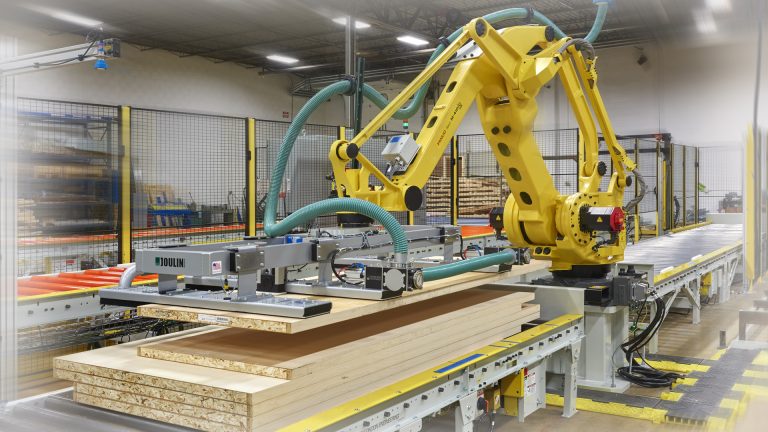
The Return on Your Investment: Manual vs. Robotic Automation
Why would you want to use robotic automation over manual labor? Simply put robotic automation offers many benefits for your business, such as increased productivity, efficiency, quality, safety and throughput. All of these add up to substantial savings over the long term for any business that deals in manufacturing, assembly,