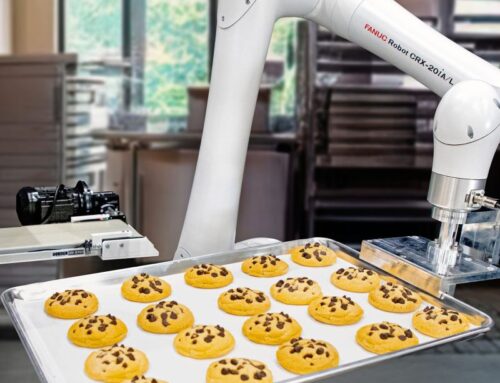
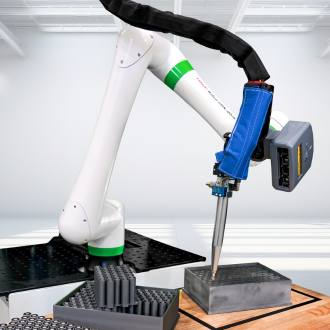
Collaborative robots — or cobots — are fundamentally changing how manufacturers automate processes. Unlike traditional industrial robots that require extensive guarding and separation from human workers, cobots are designed to work safely alongside people, enabling a new era of flexible, human-centric automation.
At MWES, we see cobots not just as tools, but as enablers of smarter workflows, improved safety, and higher productivity across a wide range of industries and applications.
What Makes Collaborative Robots Different?
Traditional robots are powerful and fast, but they operate in isolated cells to keep people safe. In contrast, cobots are engineered for human interaction, equipped with force-limiting features, sensor feedback, and intuitive control interfaces that allow them to operate near — or in partnership with — people.
Key characteristics of collaborative robots include:
- Lower force and speed limits to reduce risk of injury
- Advanced sensors and feedback systems for safe interaction
- Easy programming and teach-mode operation
- Compact form factors that fit in constrained spaces
- Quick integration with minimal guarding
These features make cobots ideal for applications where flexibility, safety, and operator collaboration are priorities.
Why Cobots Are Gaining Traction
-
Enhanced Workplace Safety
Cobots are designed with safety in mind. Built-in force sensing and safety monitoring allow them to stop when they encounter unexpected resistance. This minimizes the need for extensive safety guarding and reduces risks associated with heavy equipment, repetitive motion, and manual handling — making production environments safer for employees.
-
Faster Deployment and Easier Programming
Collaborative robots can often be programmed directly at the work cell using intuitive, graphical teach pendants or hand-guided teach modes. This reduces the barrier to automation for companies without deep programming expertise and enables faster project timelines.
-
Cost-Effective Automation
Because cobots require less guarding and infrastructure, total project costs can be lower compared to traditional robot cells. Their flexibility means they can be redeployed to support different tasks as production needs change — helping manufacturers protect their automation investment.
-
Flexible, Human-Centric Workflows
In many applications, cobots are deployed not to replace workers, but to assist them — taking on repetitive, ergonomically challenging, or precision-critical tasks while freeing human operators to focus on higher-value work.
Common Cobot Applications That Drive Impact
Cobots are finding success across diverse use cases where human insight and robotic precision intersect:
- Machine Tending — Automating CNC loading/unloading while operators handle setup, inspection, and quality tasks
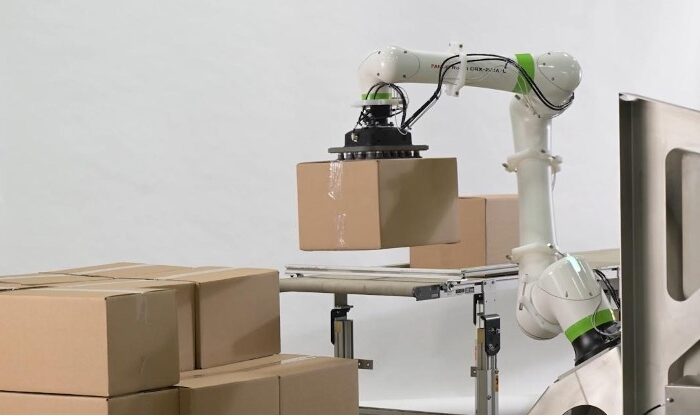
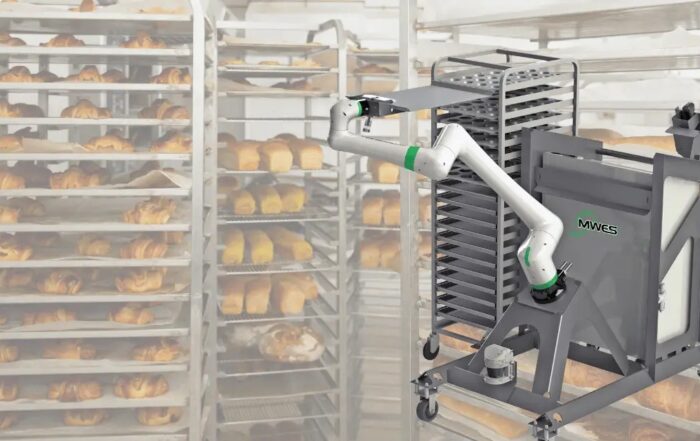
- Pick & Place — Repetitive part handling with consistent, repeatable motion
- Packaging & Palletizing — Speeding up routine manual tasks in high-mix environments
- Assembly Assistance — Partnering with operators on torqueing, fastening, or subassembly tasks
- Quality Inspection — Integrating vision systems and sensors for data-driven verification
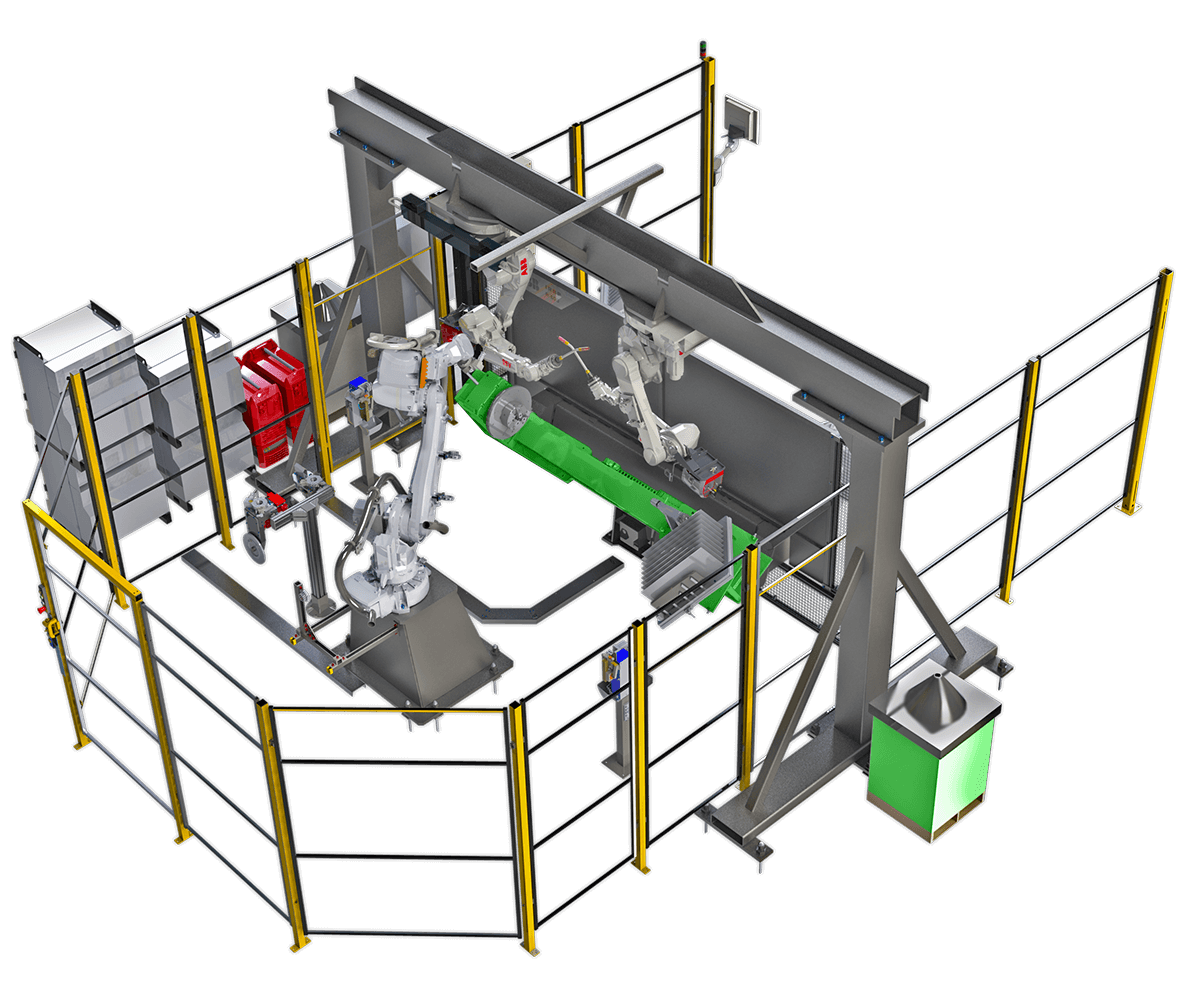
- Welding Assistance — Collaborative or semi-automated arc welding in small batch production
Each application leverages the cobot’s unique ability to work safely around people while enhancing throughput and consistency.
Designing Safe, Successful Cobot Integrations
Successful cobot automation depends on thoughtful integration. MWES follows a structured approach that includes:
- Task and risk analysis to identify hazards and define safe operating zones
- Ergonomic evaluation to match cobot placement with human interaction needs
- Appropriate tooling selection, including end effectors designed for collaborative tasks
- Operator training and change management to ensure adoption and confidence
- Safety system design aligned with industry standards (e.g., ISO 10218, ISO/TS 15066)
Safety isn’t an add-on — it’s embedded in the design, programming, and ongoing operation of every cobot system we deploy.
Cobots as Part of a Broader Automation Strategy
Cobots are not a one-size-fits-all solution, but they are a powerful part of a balanced automation strategy. In many cases, cobots complement traditional robots, fixed automation, and material handling systems — extending the reach of automation into areas where traditional approaches might be too rigid, costly, or space-constrained.
Whether a manufacturer is just beginning their automation journey or looking to scale flexible automation across facilities, cobots offer a way to improve safety, productivity, and workforce engagement simultaneously.
Unlock the Value of Collaborative Automation with MWES
Collaborative robots bring flexibility, safety, and productivity to modern manufacturing — but realizing their full potential requires application expertise, safety understanding, and thoughtful integration. MWES partners with manufacturers to design and deploy cobot solutions that deliver real results and long-term value.
Explore MWES cobot solutions and discover how collaborative automation can help your operation work safer, smarter, and more efficiently.