Welding Solutions
Whether you’re exploring your first automation project, upgrading an existing production line, or looking for long-term service and support, our team is ready to help. Tell us about your goals and we’ll connect you with the right automation expert.
Advanced Robotic Welding Solutions for Precision and Productivity
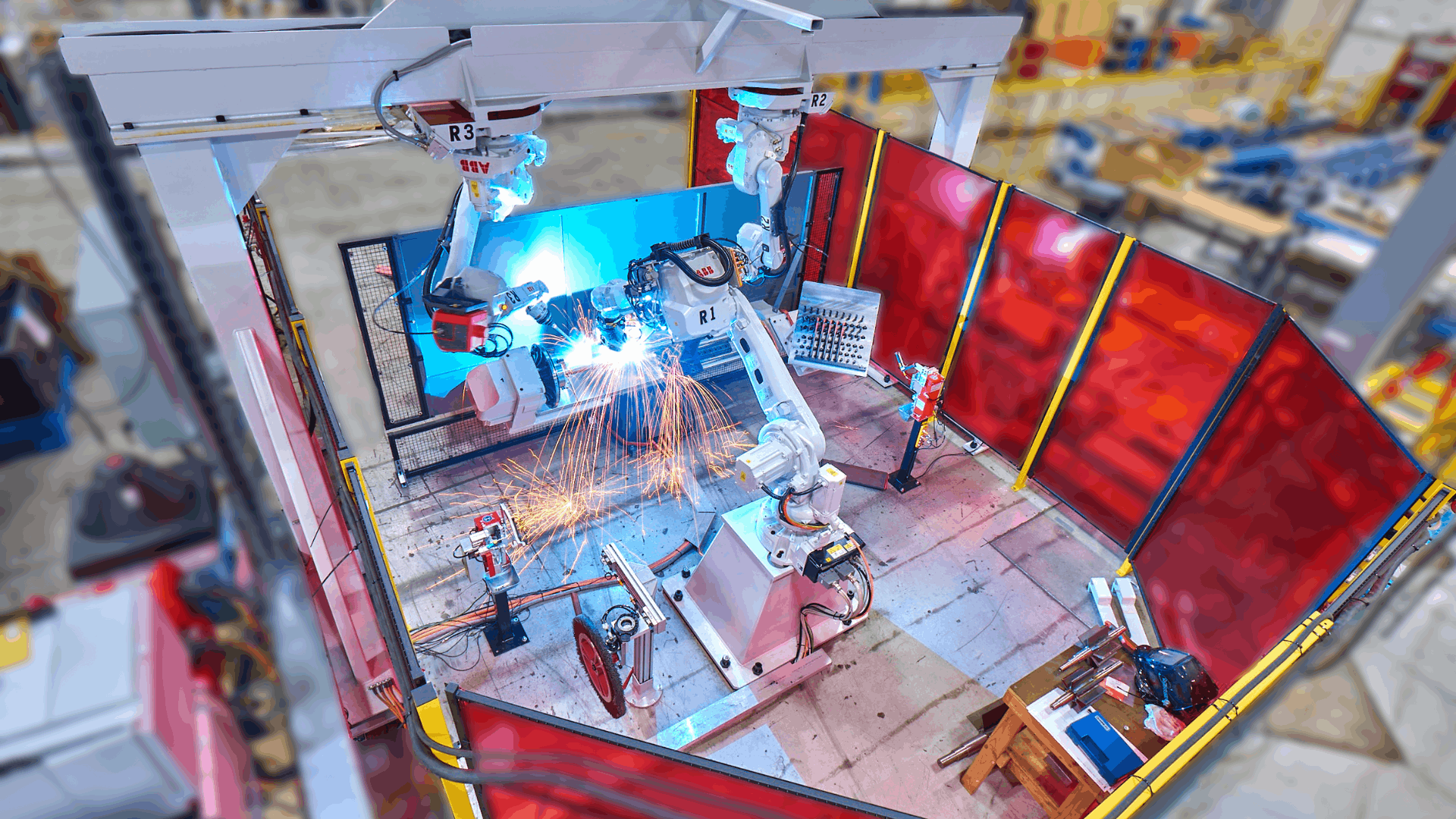
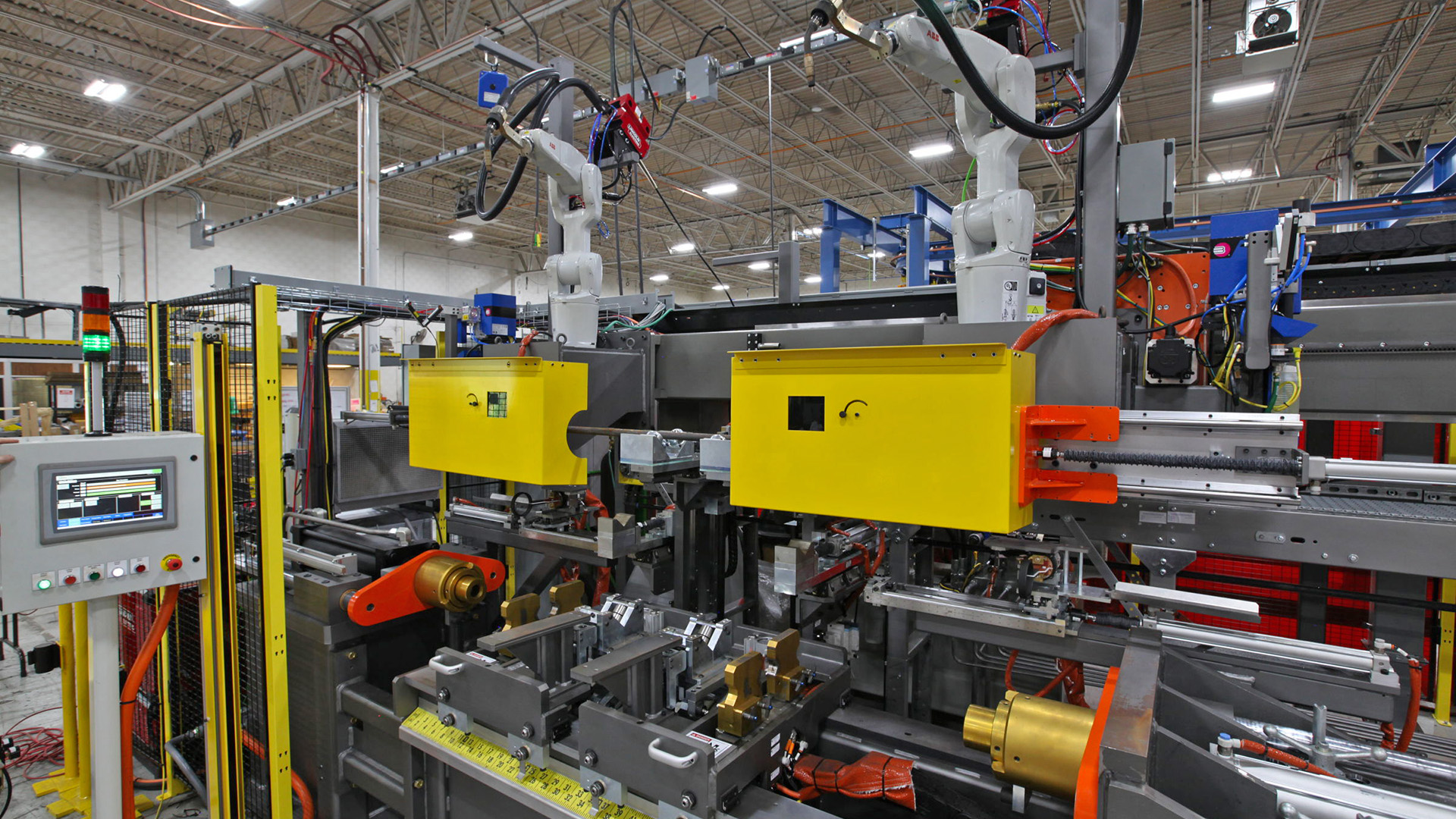
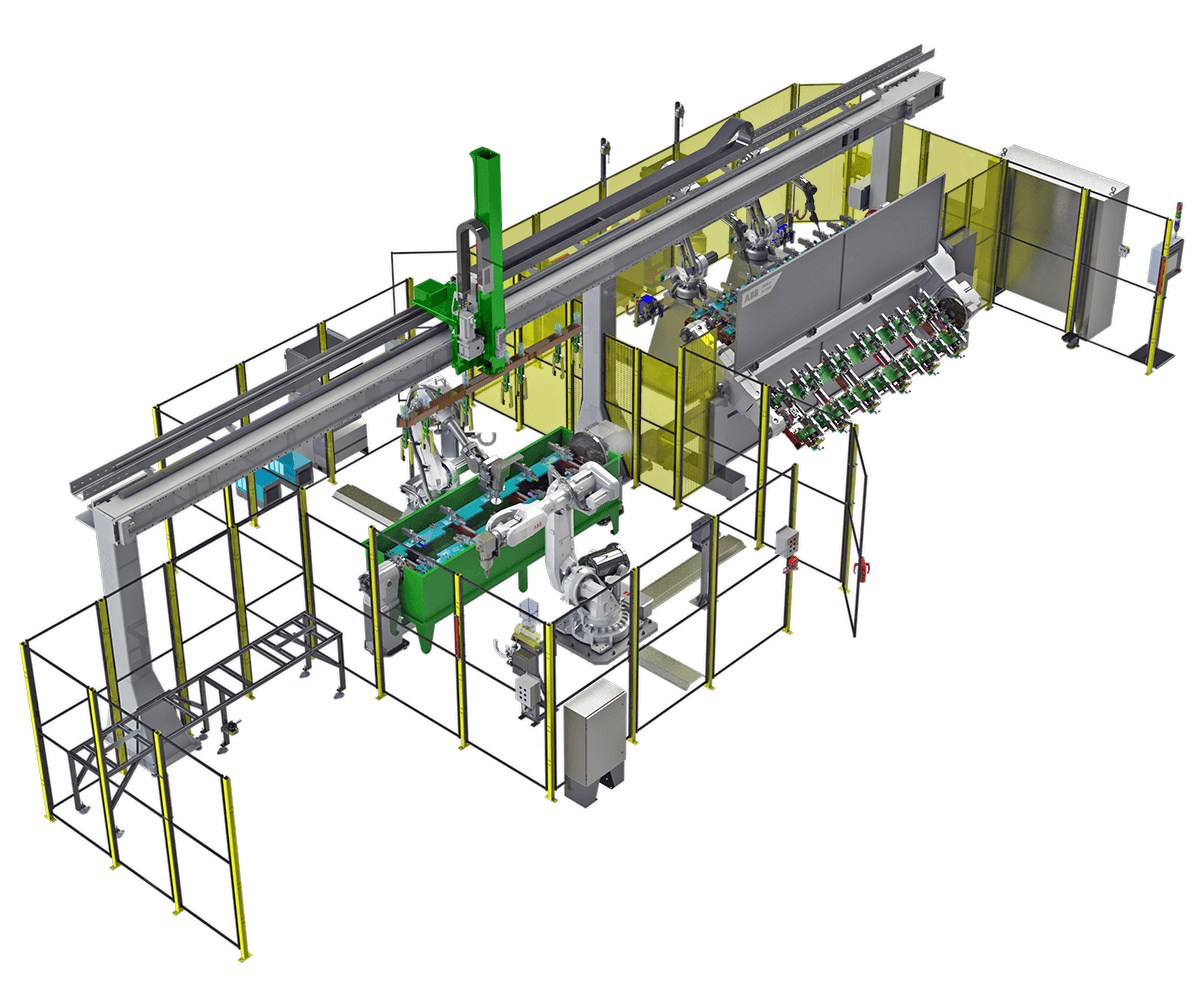
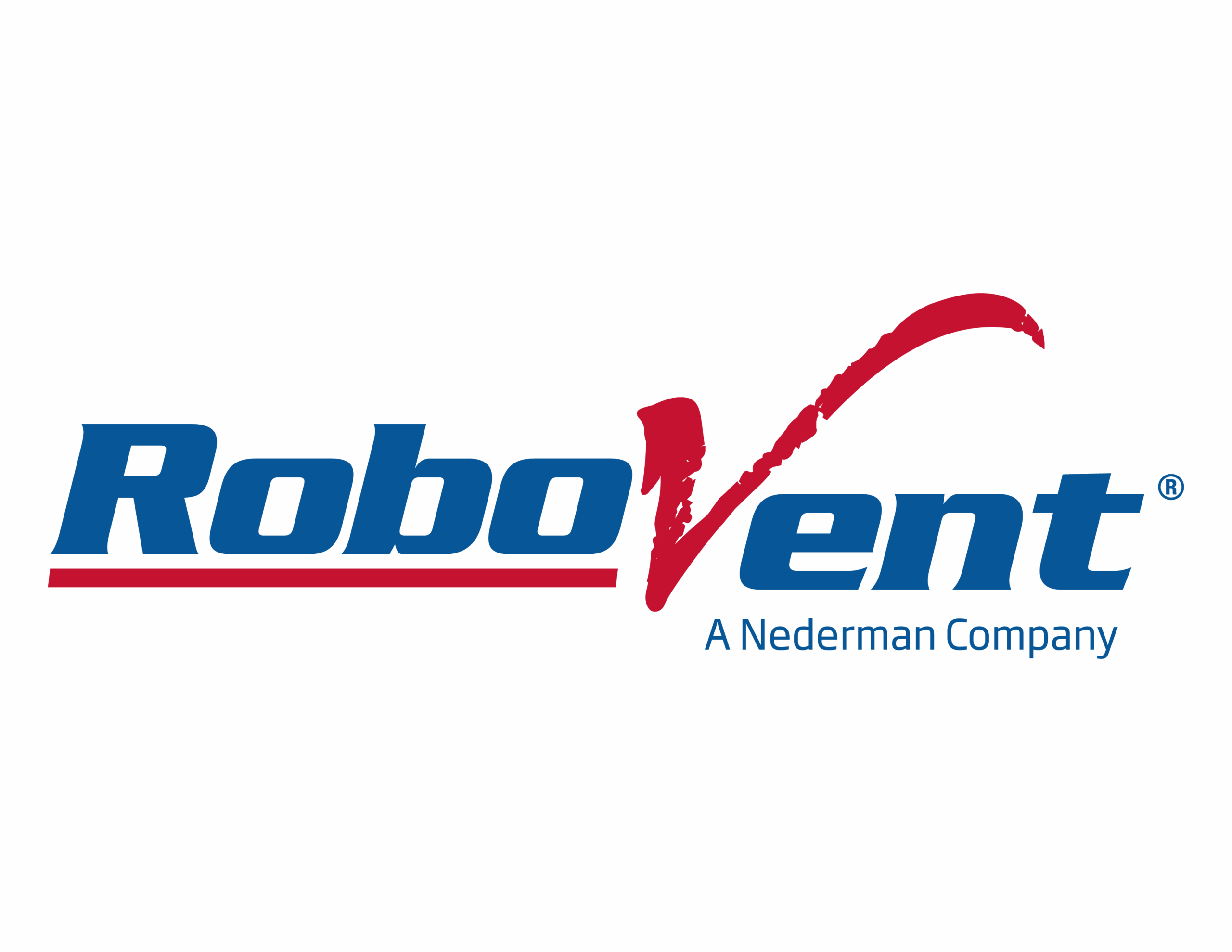
MWES designs and integrates robotic welding automation for manufacturers, ranging from collaborative welding carts and pre-engineered weld cells to fully custom multi-robot systems. Our capabilities include MIG, TIG and laser welding, along with robotic plasma cutting, weld positioners, fixturing, seam tracking, weld inspection and integrated material handling.
MWES robotic welding systems are engineered around your parts, production volume and quality requirements to improve weld consistency, increase throughput, reduce manual handling and make better use of skilled welding labor. We bring decades of experience, deep integration expertise, and a commitment to long-term support.
Our Welding Partners



Improve Weld Quality & Consistency
Improve Weld Quality & Consistency
Robotic welding maintains controlled travel speed, torch angle and welding parameters from part to part, helping reduce operator variation and deliver more consistent weld quality across production runs.
Increase Welding Throughput
Increase Welding Throughput
Automation can increase arc-on time by reducing delays between welds and allowing operators to focus on loading, fixturing and other value-added work. Dual-station systems can further increase utilization by allowing one station to be loaded while welding continues on the other.
Automate More Complex Weldments
Automate More Complex Weldments
Integrated servo positioners, travel tracks, touch sensing and coordinated motion allow robots to reach complex weld joints while maintaining favorable welding orientation.
Our Weld Solutions Capabilities
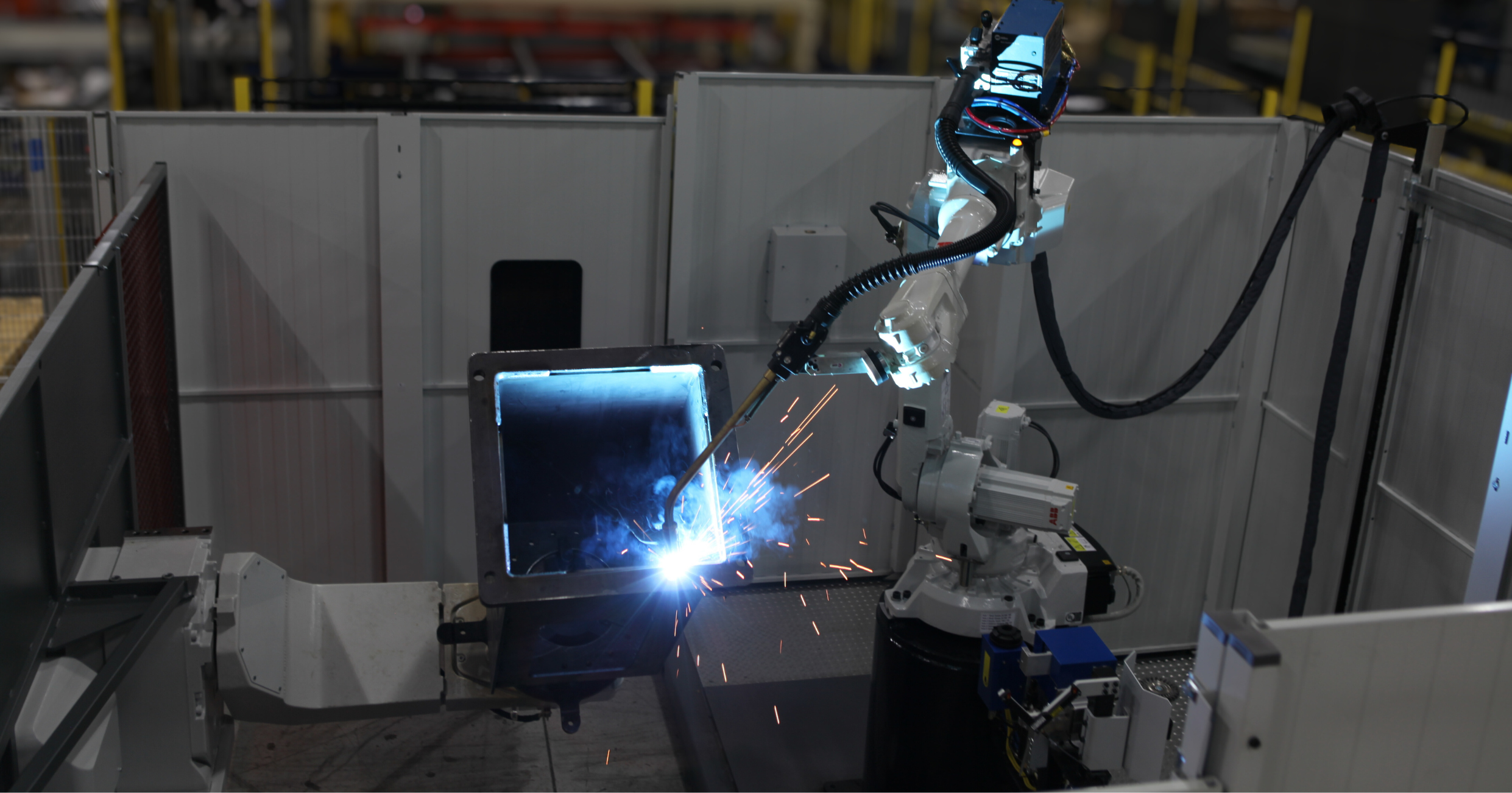
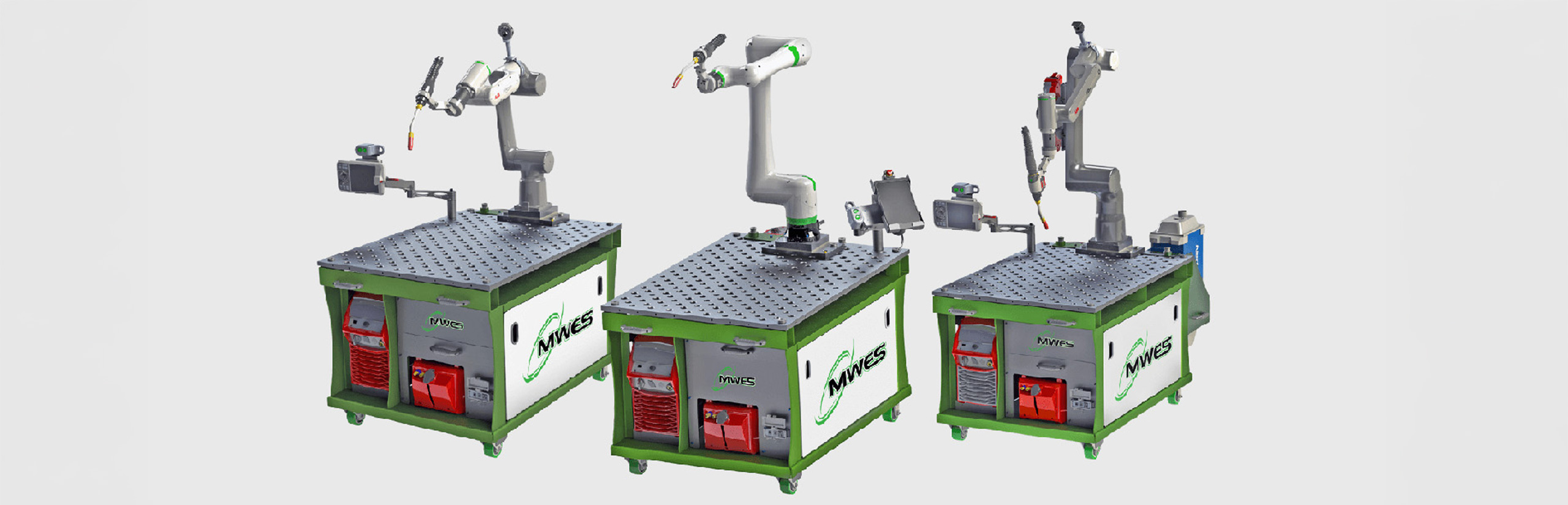
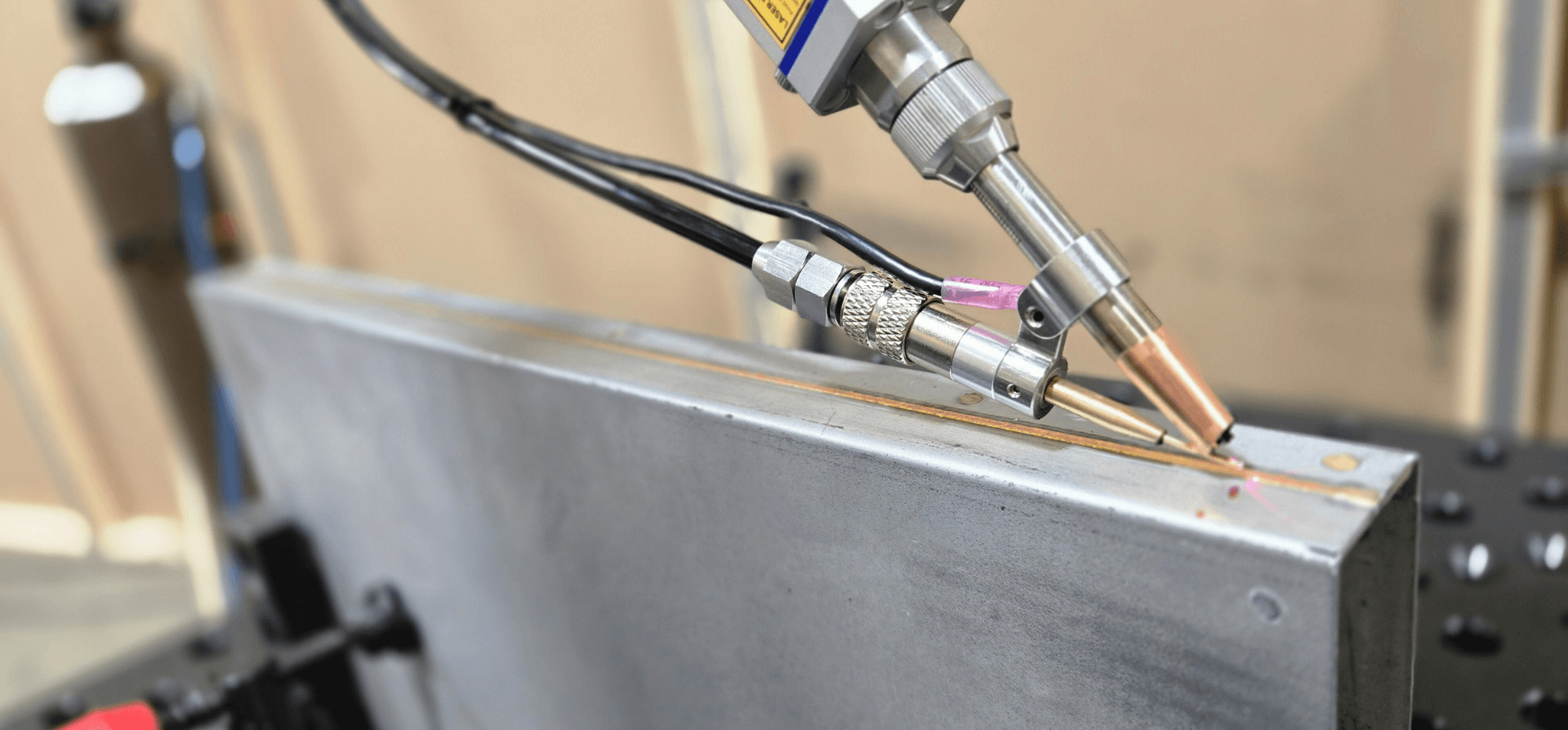
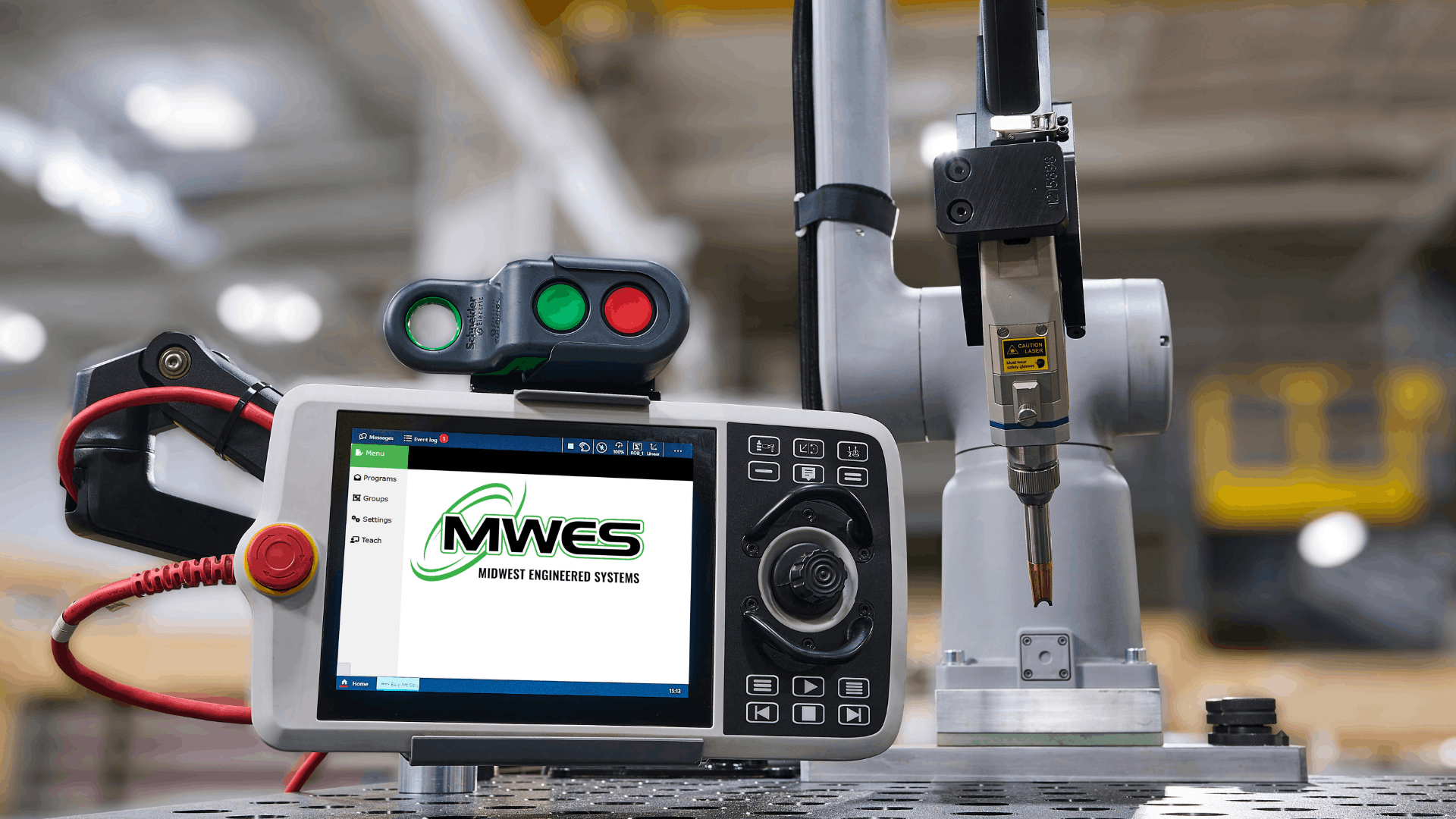
WHICH ROBOTIC WELDING SOLUTION IS RIGHT FOR YOUR APPLICATION?
Collaborative Welding Carts
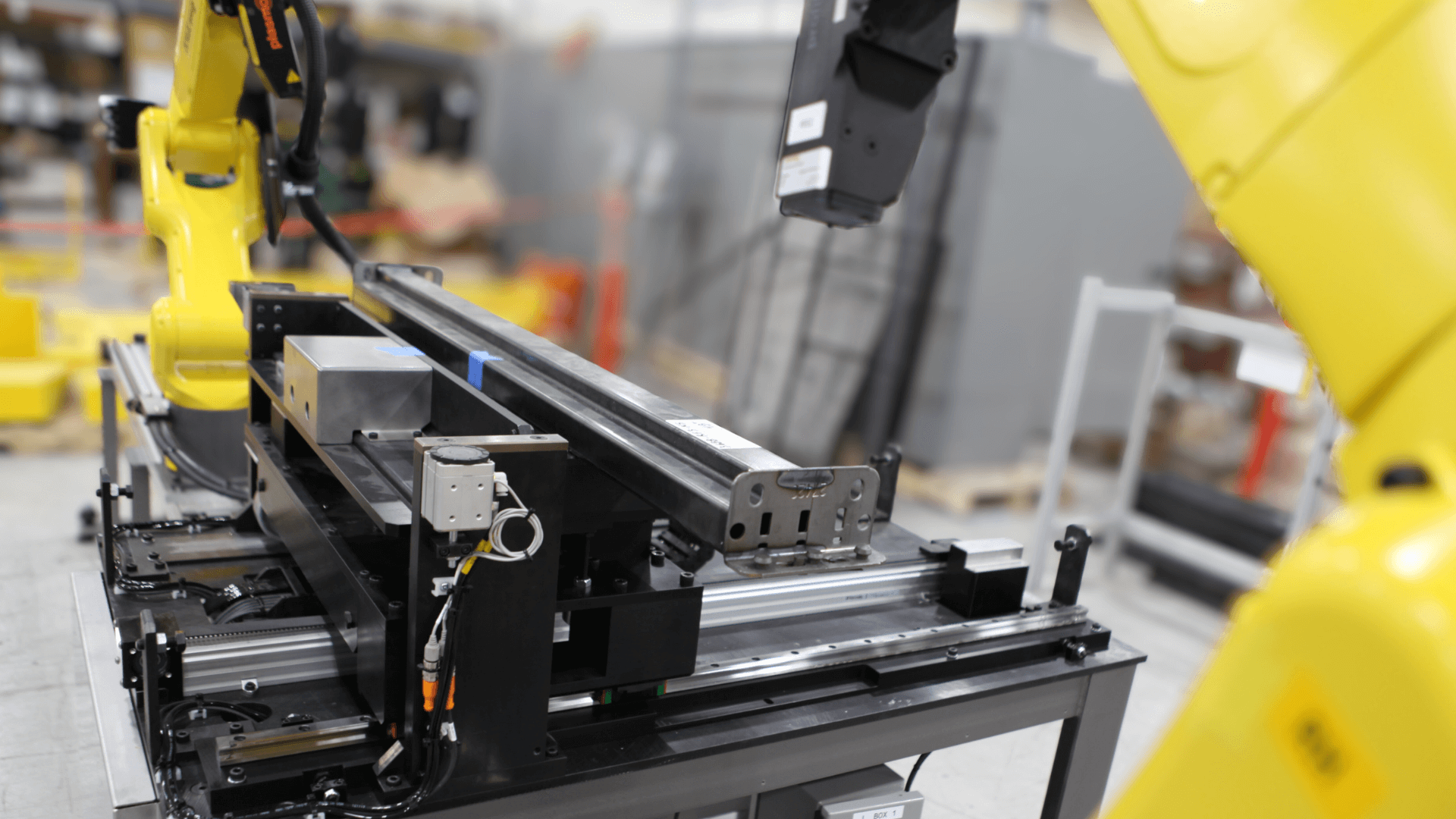
Best for manufacturers looking for flexible, easy-to-program welding automation that can be moved between applications. EasyArc™ systems are well suited for high-mix production, repetitive welds and manufacturers implementing robotic welding for the first time.
Standard Robotic Weld Cells
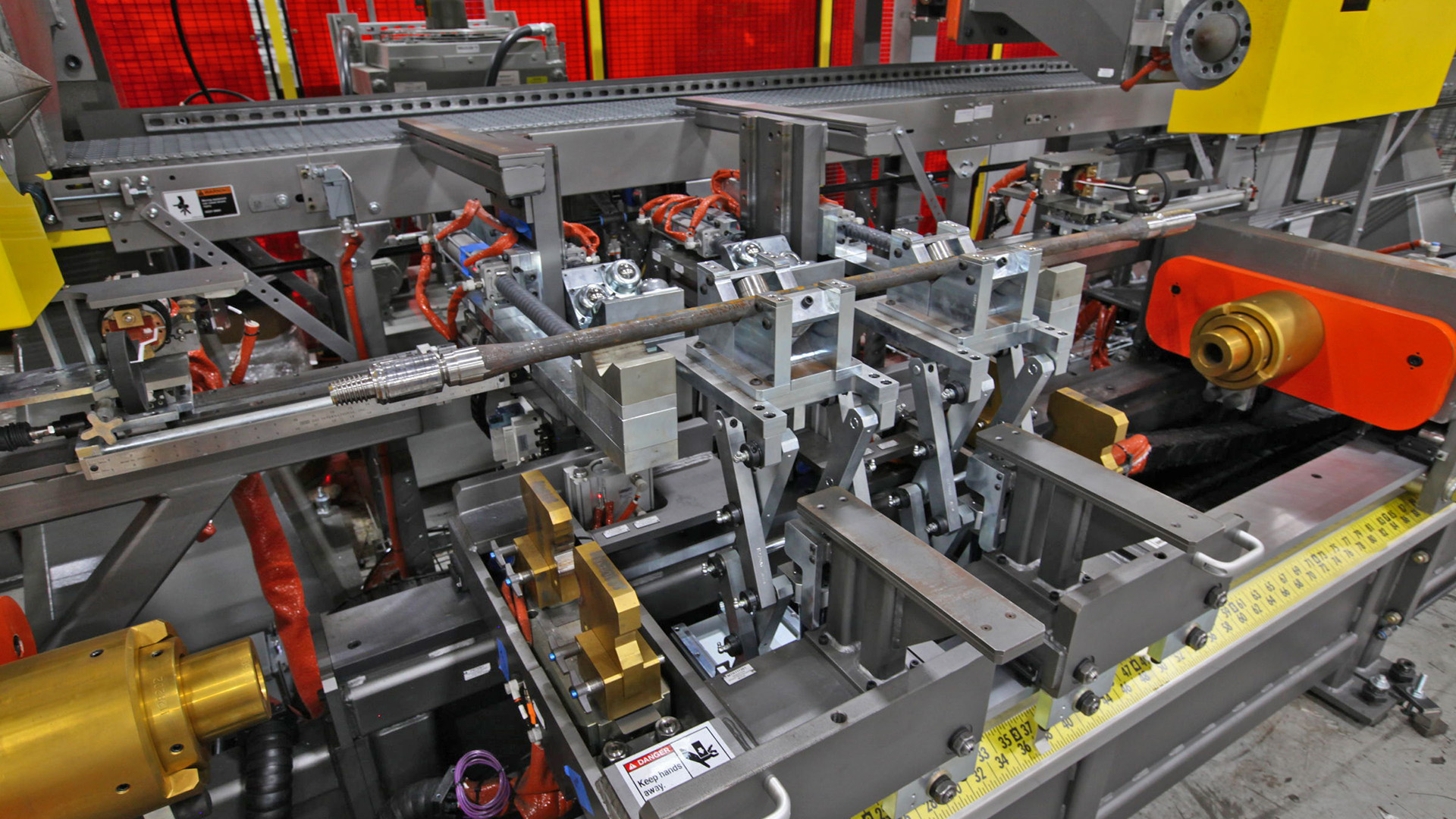
Best for repeatable production applications where higher throughput, integrated positioning and consistent cycle times are required. Pre-engineered configurations provide a faster path to automation than a fully custom system.
Custom Robotic Welding Systems
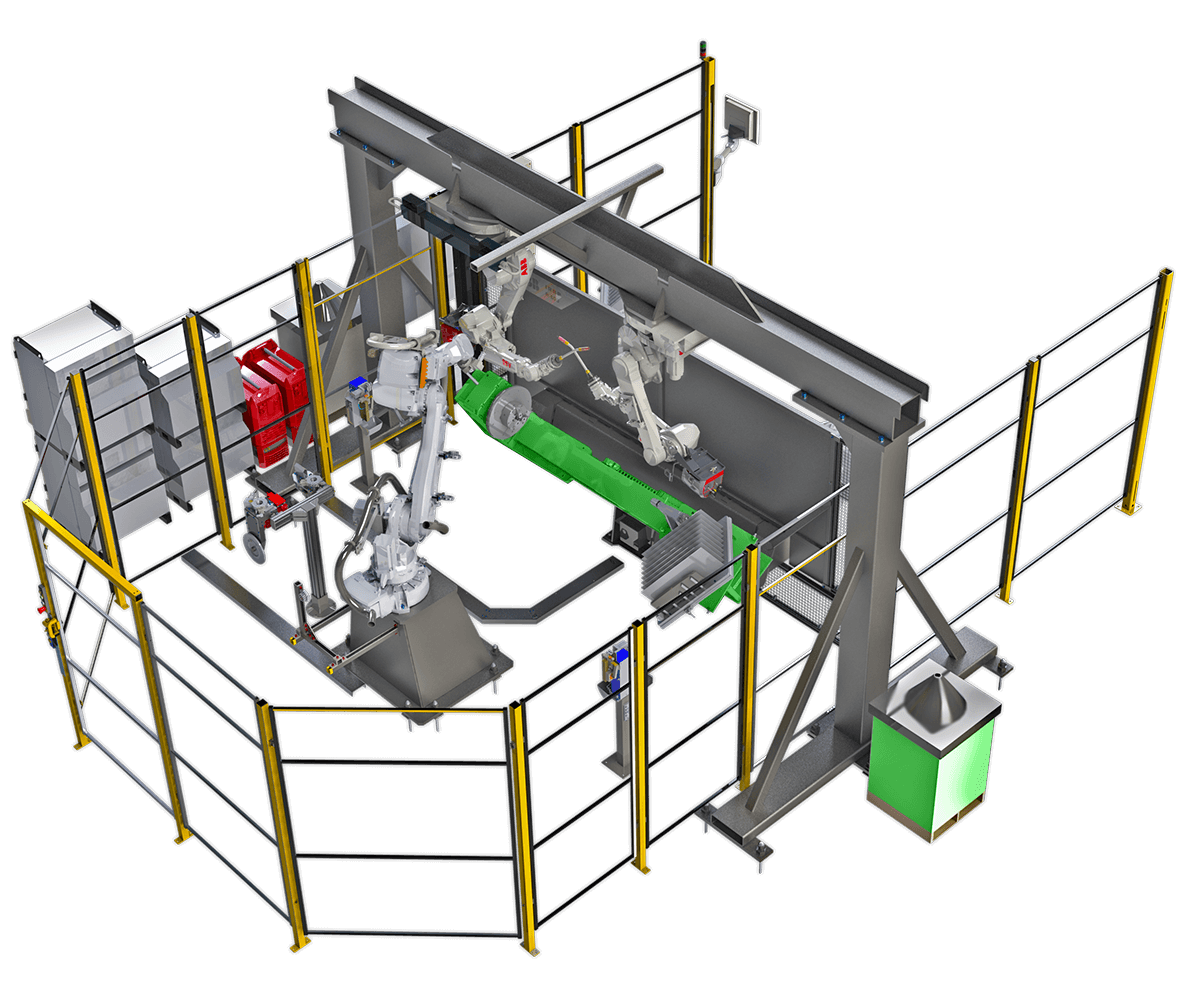
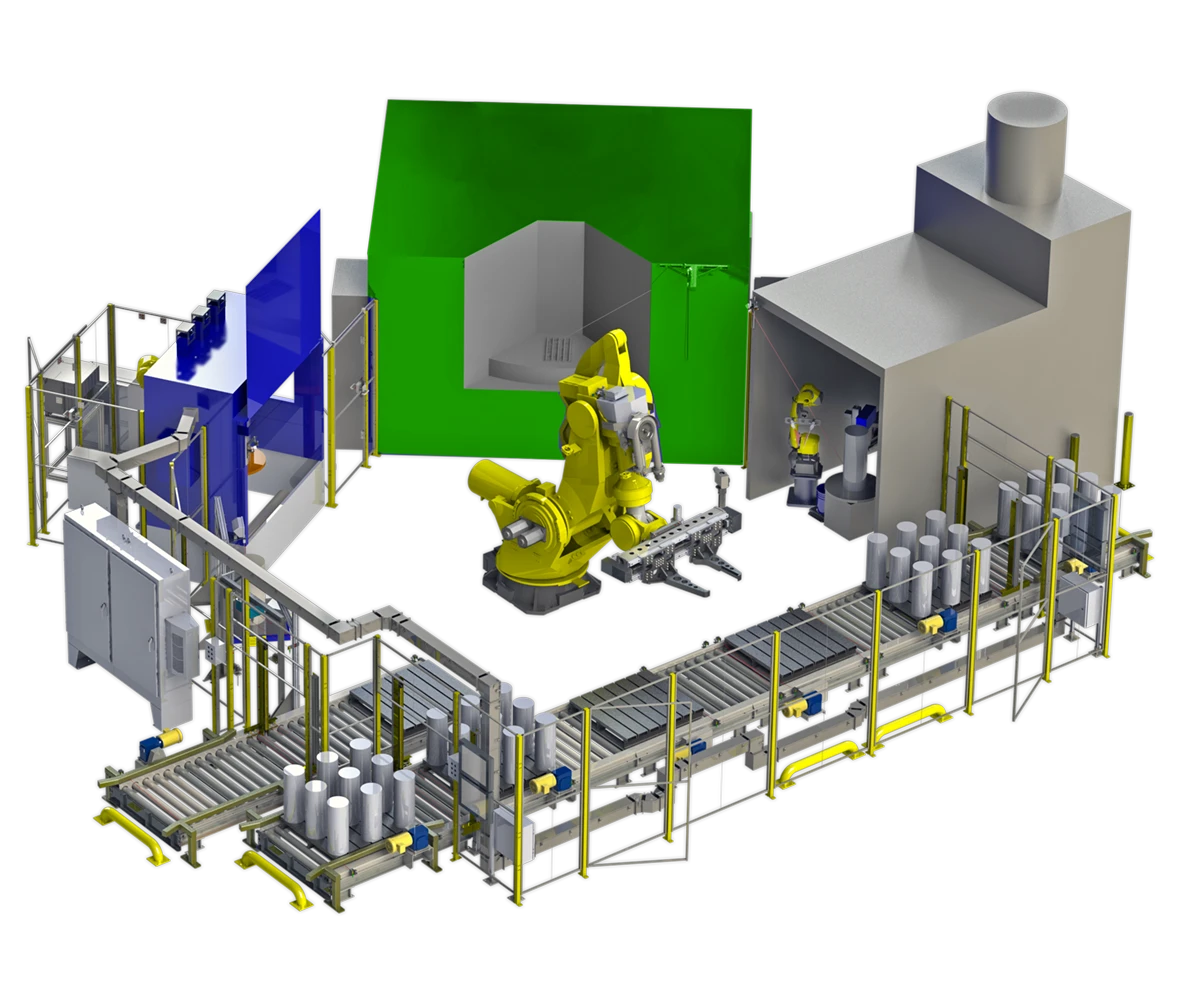
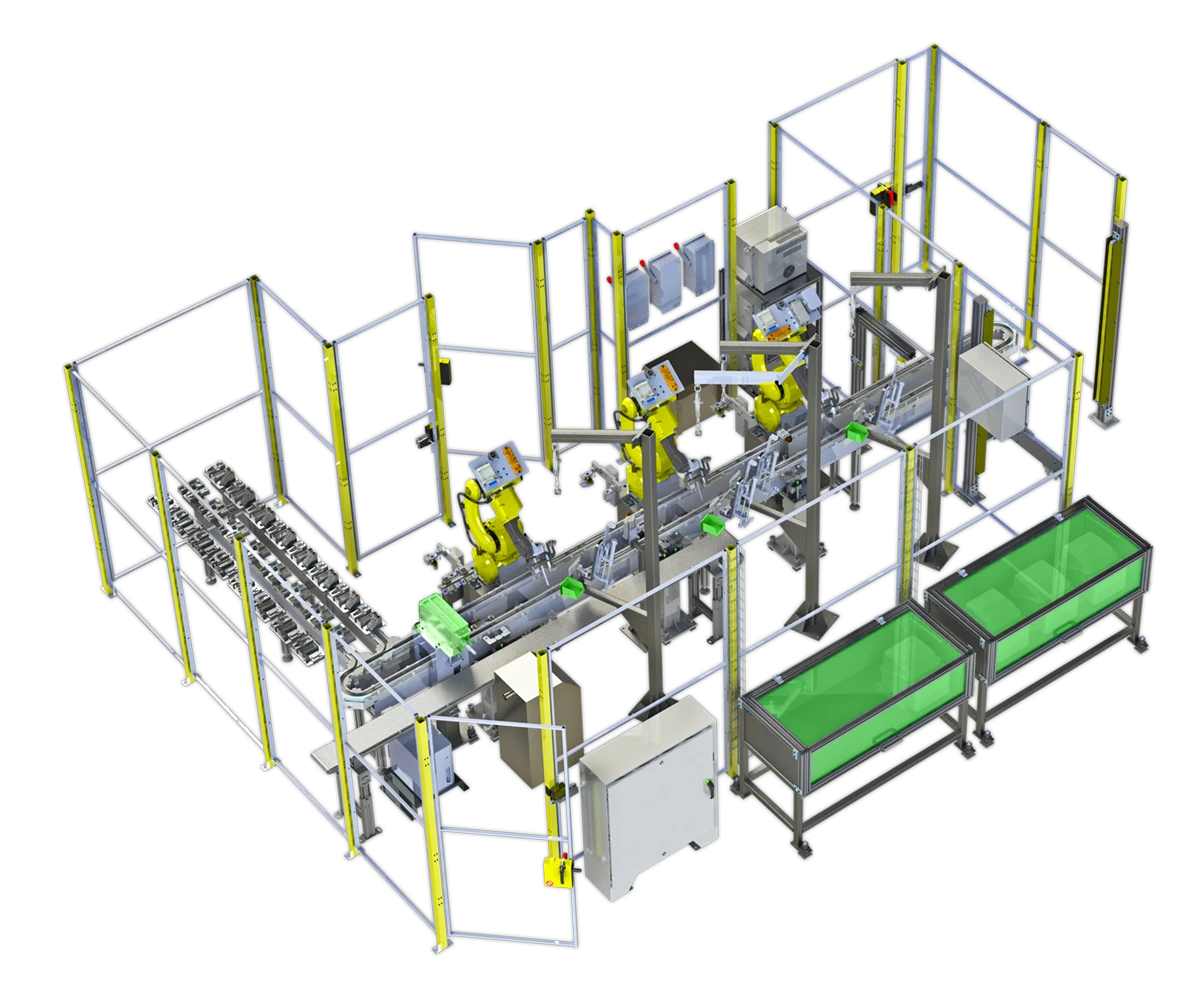
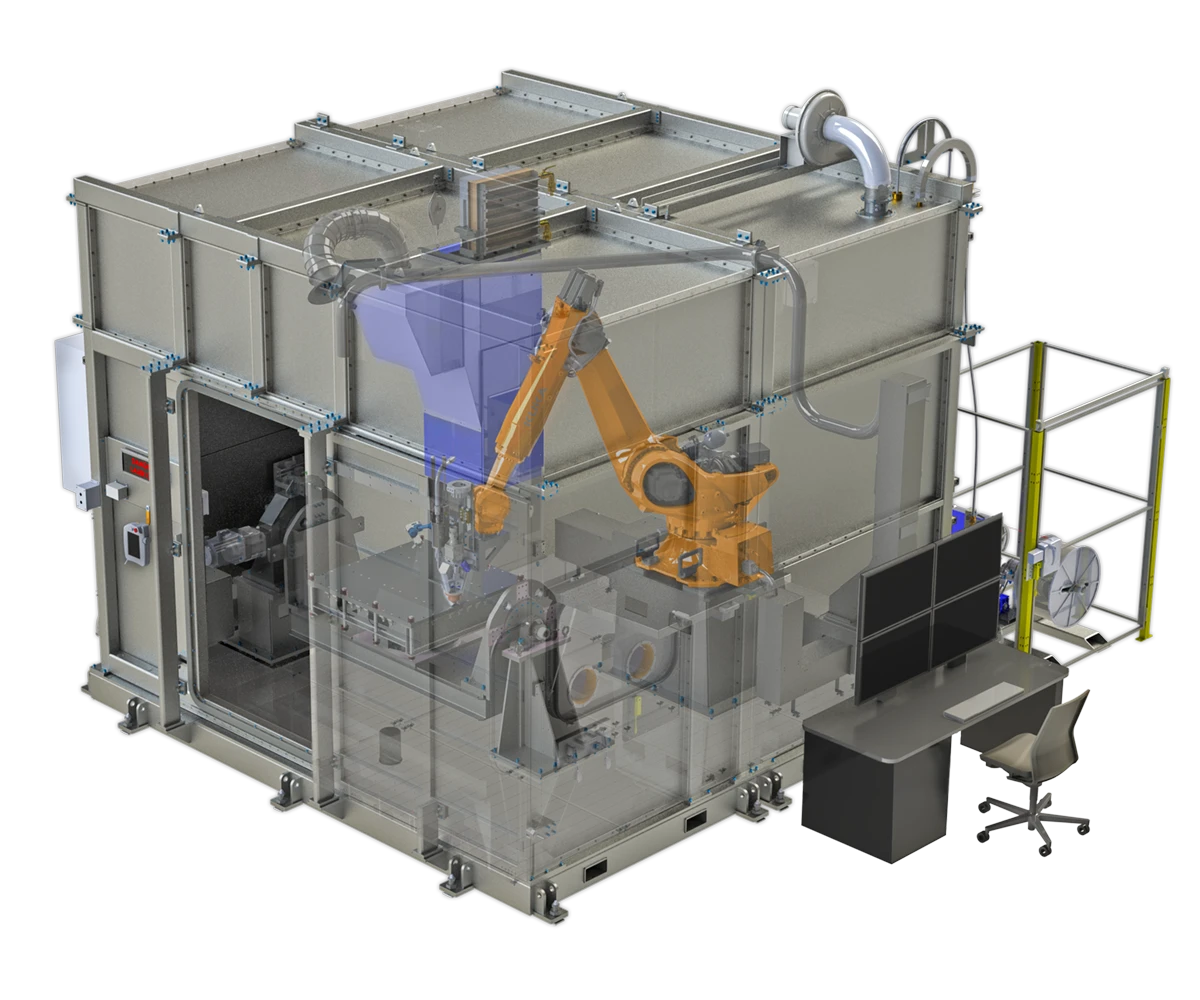
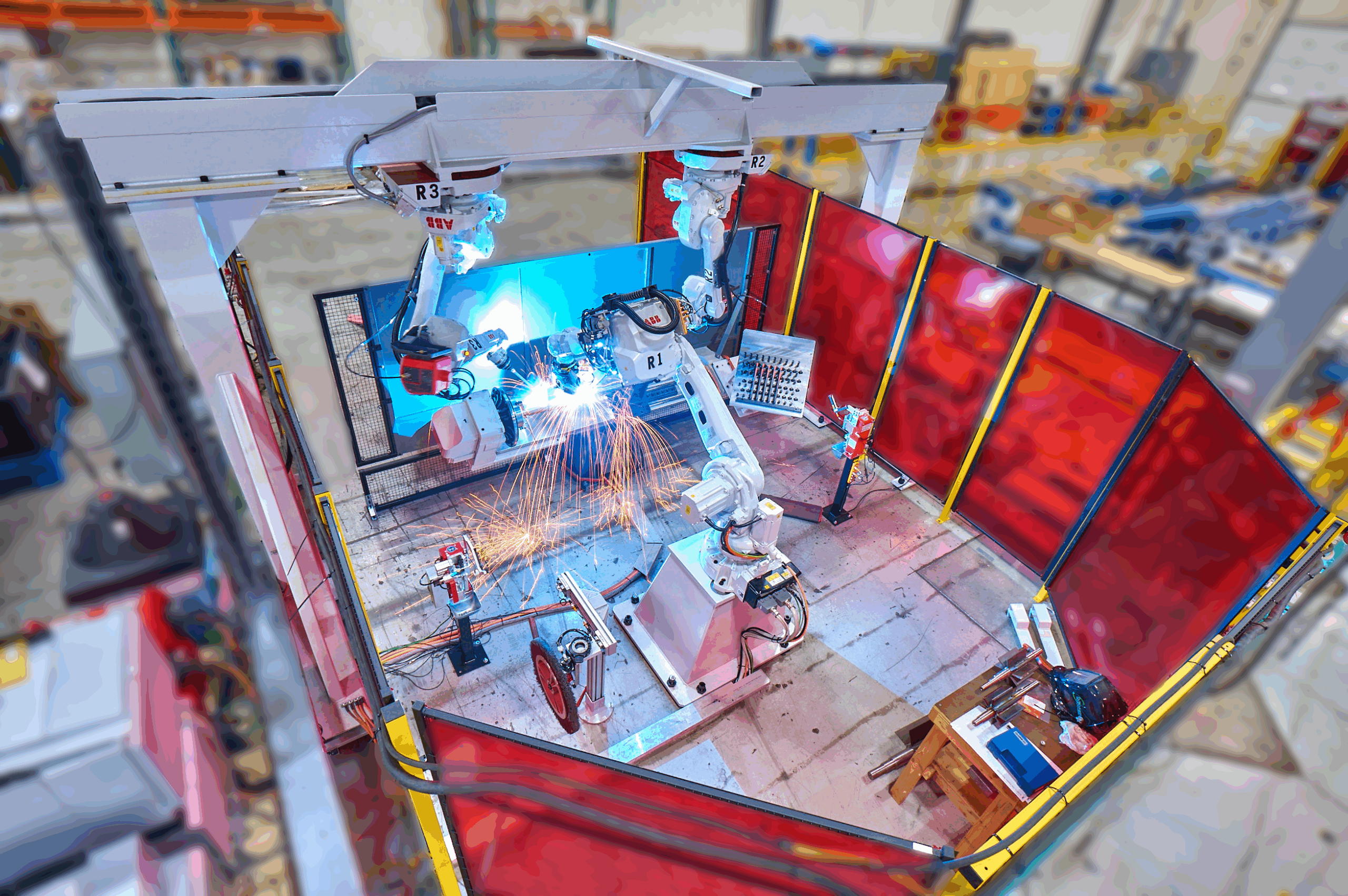
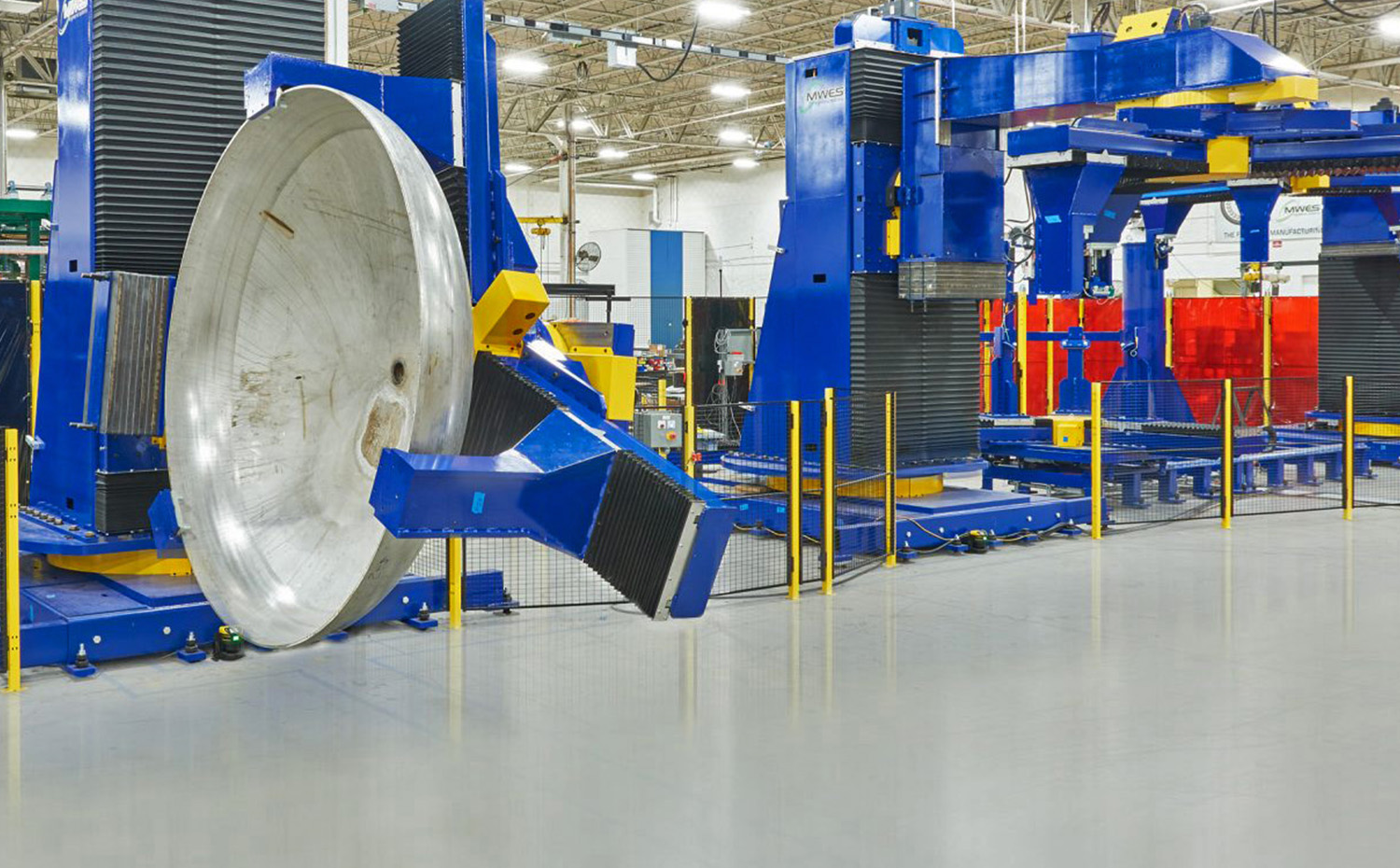
Best for complex parts, large weldments, high production volumes or applications requiring multiple robots, material handling, custom fixturing, coordinated motion or integration with other manufacturing processes.
Laser Welding Automation
Best for applications requiring high welding speeds, precision, low heat input and reduced distortion.
ROBOTIC WELDING FAQ
Robotic welding uses programmable industrial or collaborative robots to control the welding torch and perform repeatable weld paths. Systems can also integrate part positioning, seam tracking, material handling, inspection and other processes to automate more of the welding operation.
MWES integrates MIG, TIG, and laser welding processes, along with robotic plasma cutting. The appropriate process depends on material, joint design, part geometry, production volume and weld requirements.
Parts with repeatable weld locations, consistent fit-up and recurring production demand are generally strong candidates. Robotic welding can be applied to everything from small fabricated components to large structural weldments and complex assemblies.
Yes! Collaborative welding systems and flexible standard cells can be particularly effective for high-mix environments when parts have repeatable weld requirements. Easy programming, reusable programs and flexible fixturing can make changeovers practical for smaller production runs.
Collaborative welding systems typically emphasize flexibility, simplified programming and easier deployment. Industrial robotic cells are better suited for applications requiring higher speeds, larger payloads, complex positioning or higher production volumes.
Standard weld cells are well suited for applications that fit established work envelopes, payloads and production requirements. Custom weld systems are typically used when the application requires specialized material handling, multiple robots, unique fixturing, large parts or integration with other manufacturing processes.
Yes! Technologies such as touch sensing, seam tracking and vision can locate features or monitor the weld joint and allow the robotic system to compensate for certain types of part and joint variation.
Weld positioners rotate or tilt a workpiece to improve robot access and maintain a favorable welding orientation. They can improve weld quality, reduce robot reach limitations and allow automation of more complex geometries.
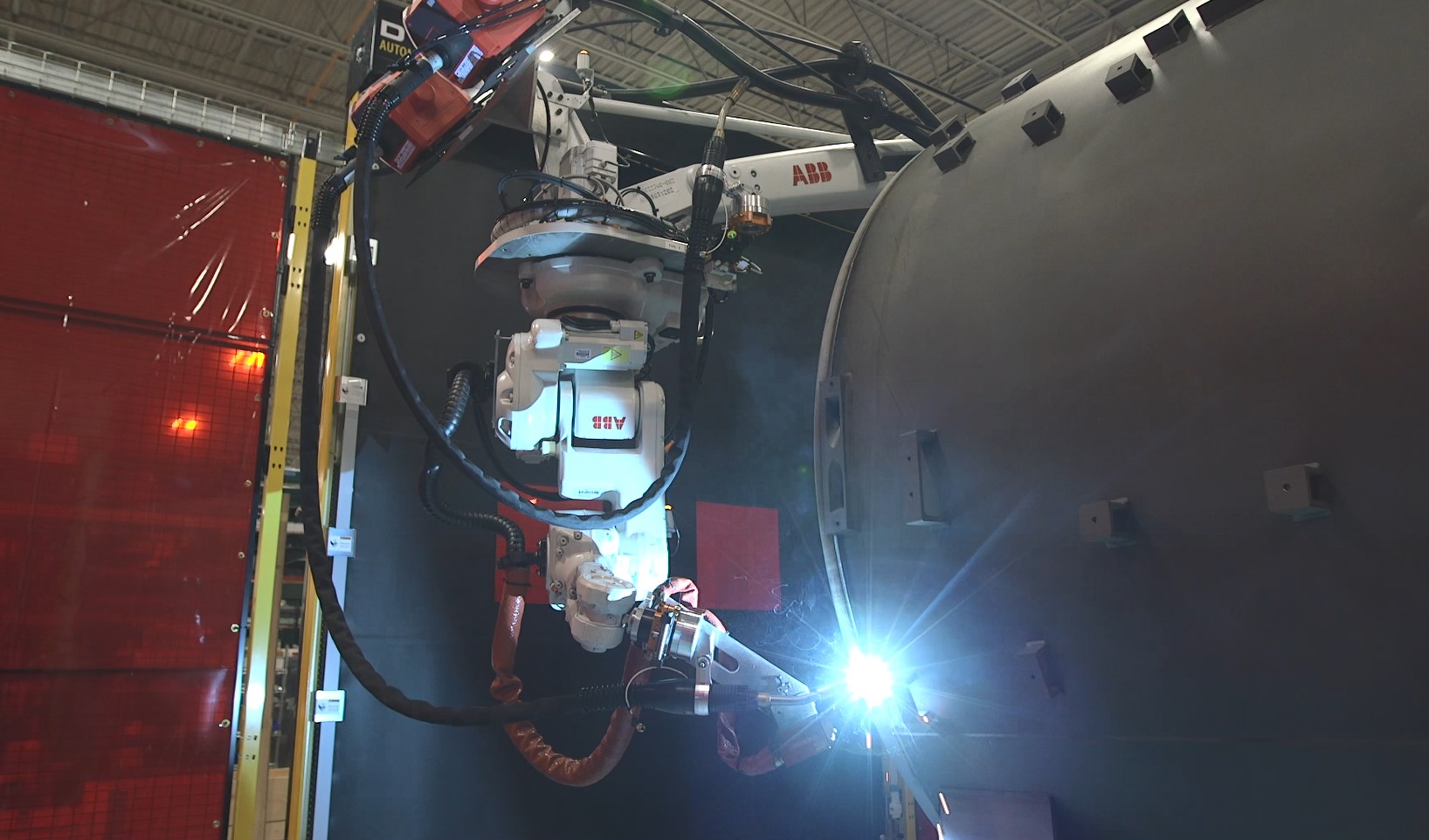
Yes. Robotic welding cells can incorporate heavy-duty positioners, extended-reach robots, servo travel tracks and coordinated motion to automate large structural weldments and heavy fabricated assemblies.
ROI depends on factors including current labor requirements, production volume, cycle time, scrap and rework, overtime, weld consistency and expected equipment utilization. The strongest opportunities typically involve repetitive welding operations where automation can significantly increase arc-on time or production capacity.
Industries Using Robotic Welding
Data Center Manufacturing
Data Center Manufacturing
structural frames, skids, enclosures and supporting equipment
Agriculture & Mining
Agriculture & Mining
Heavy-duty structural components and equipment assemblies
Heavy Equipment Manufacturing
Heavy Equipment Manufacturing
Frames, booms, structural weldments and heavy fabricated componentsAerospace & Defense
Aerospace & Defense
Precision welded components and specialized manufacturing applications
Automotive & Transportation Manufacturing
Automotive & Transportation Manufacturing
Chassis components, frames and welded assemblies