
The manufacturing industry is facing a demographic cliff—a wave of retiring skilled workers leaving behind critical knowledge and labor shortages. With fewer young workers entering manufacturing, companies risk production slowdowns, higher labor costs, and reduced competitiveness. AI and robotic automation offer a strategic solution, helping manufacturers maintain output, improve efficiency, and future-proof operations.
Understanding the Demographic Cliff
Several factors are contributing to the shrinking skilled workforce:
- Aging Workforce: Large numbers of experienced operators, welders, and machinists are retiring
- Labor Shortages: Fewer younger workers are entering skilled manufacturing roles
- Rising Costs: Scarcity of skilled labor drives up wages and benefits
- Knowledge Loss: Institutional knowledge walks out the door with retiring employees
These challenges make it harder for manufacturers to meet production goals and maintain quality, especially in complex operations.
How AI and Automation Address the Workforce Gap
- Reduce Dependency on Skilled Labor
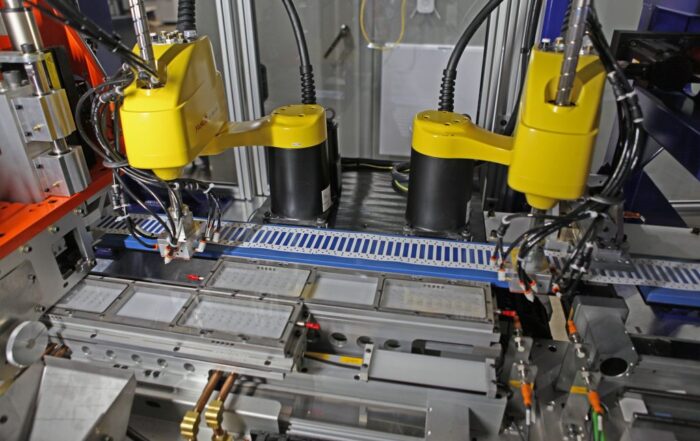
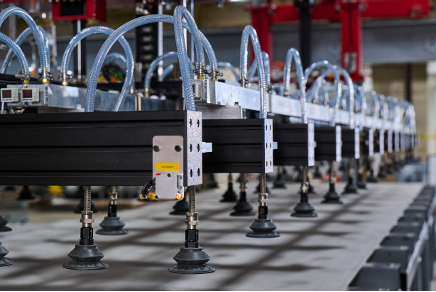
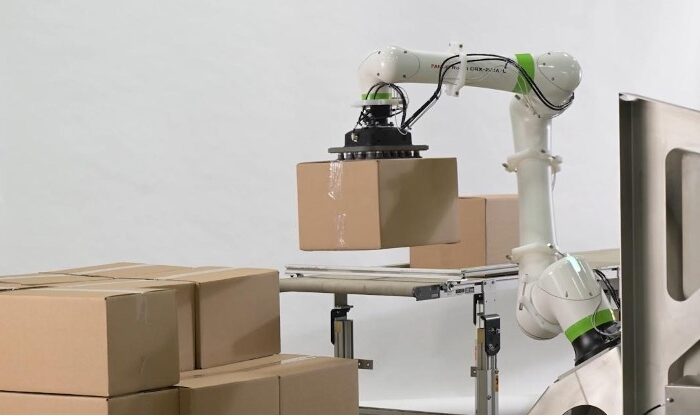
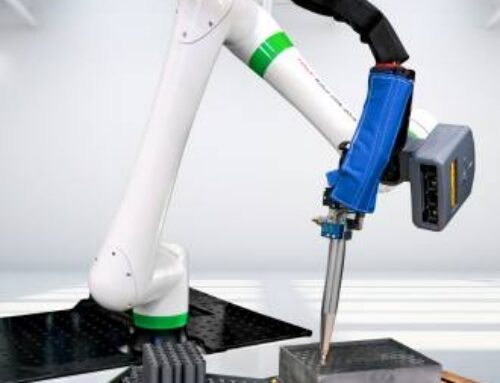
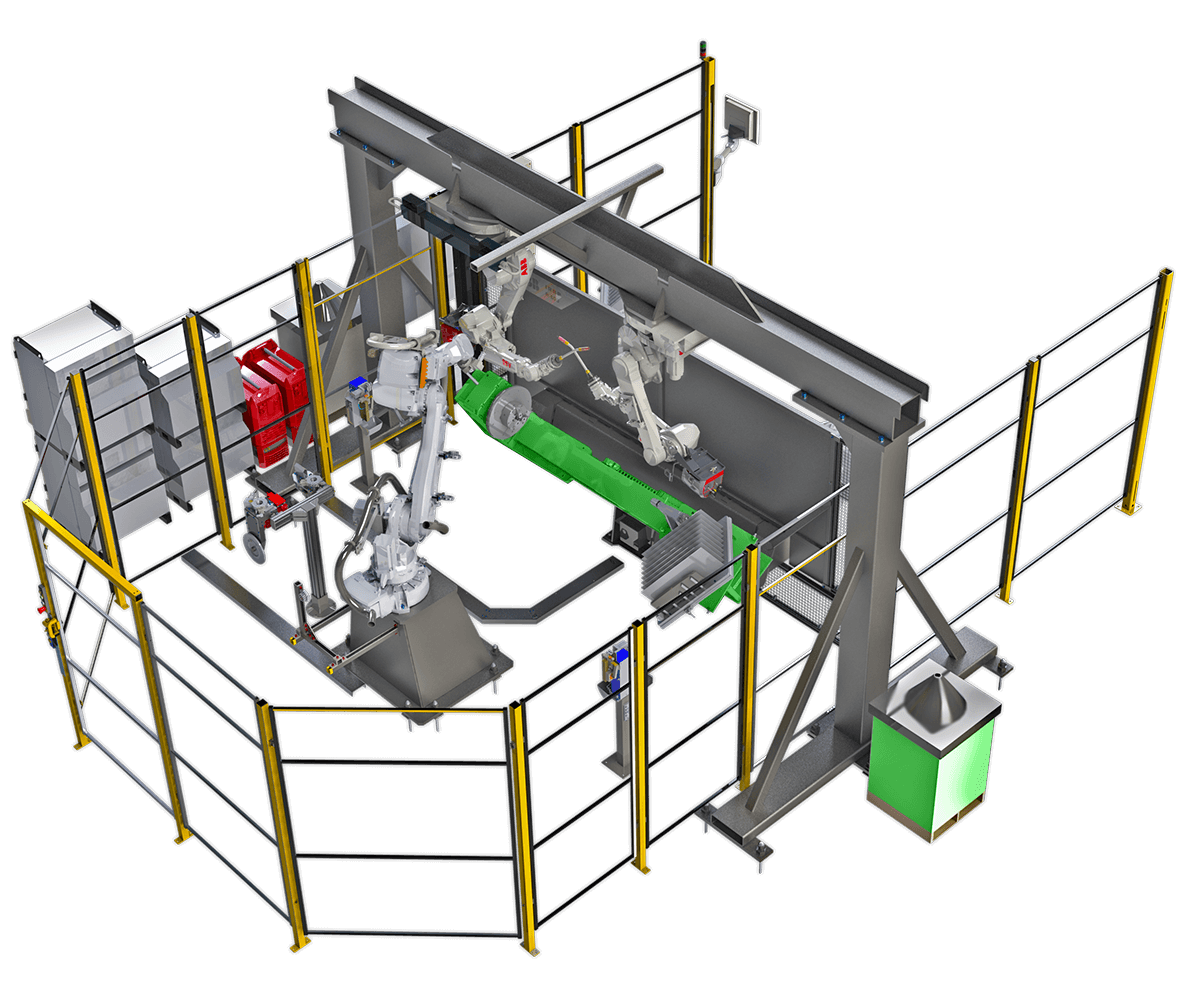
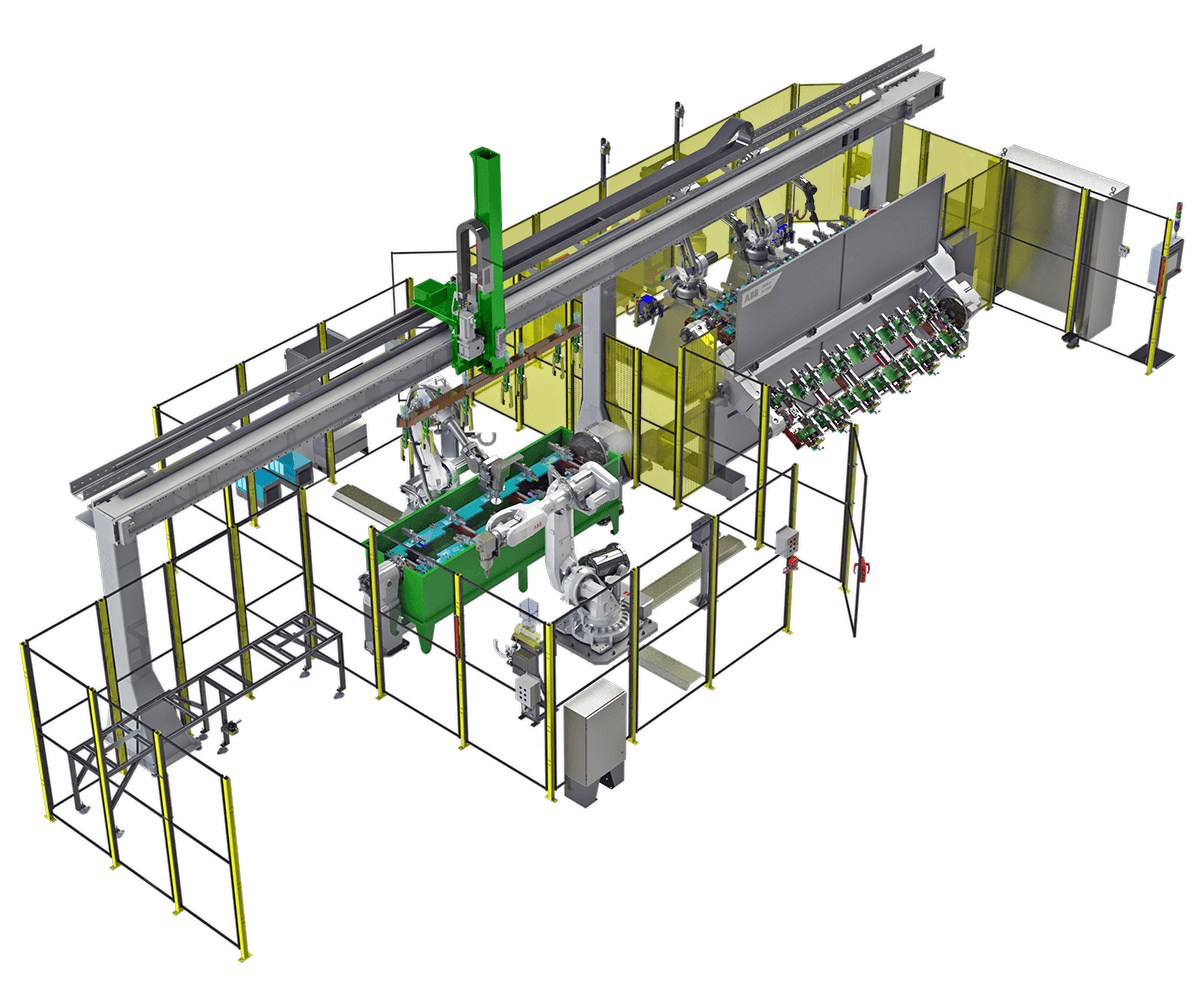
AI-driven robotics can perform repetitive, precise, and high-volume tasks that previously required highly trained operators. This reduces reliance on scarce labor resources.
- Increase Productivity and Throughput
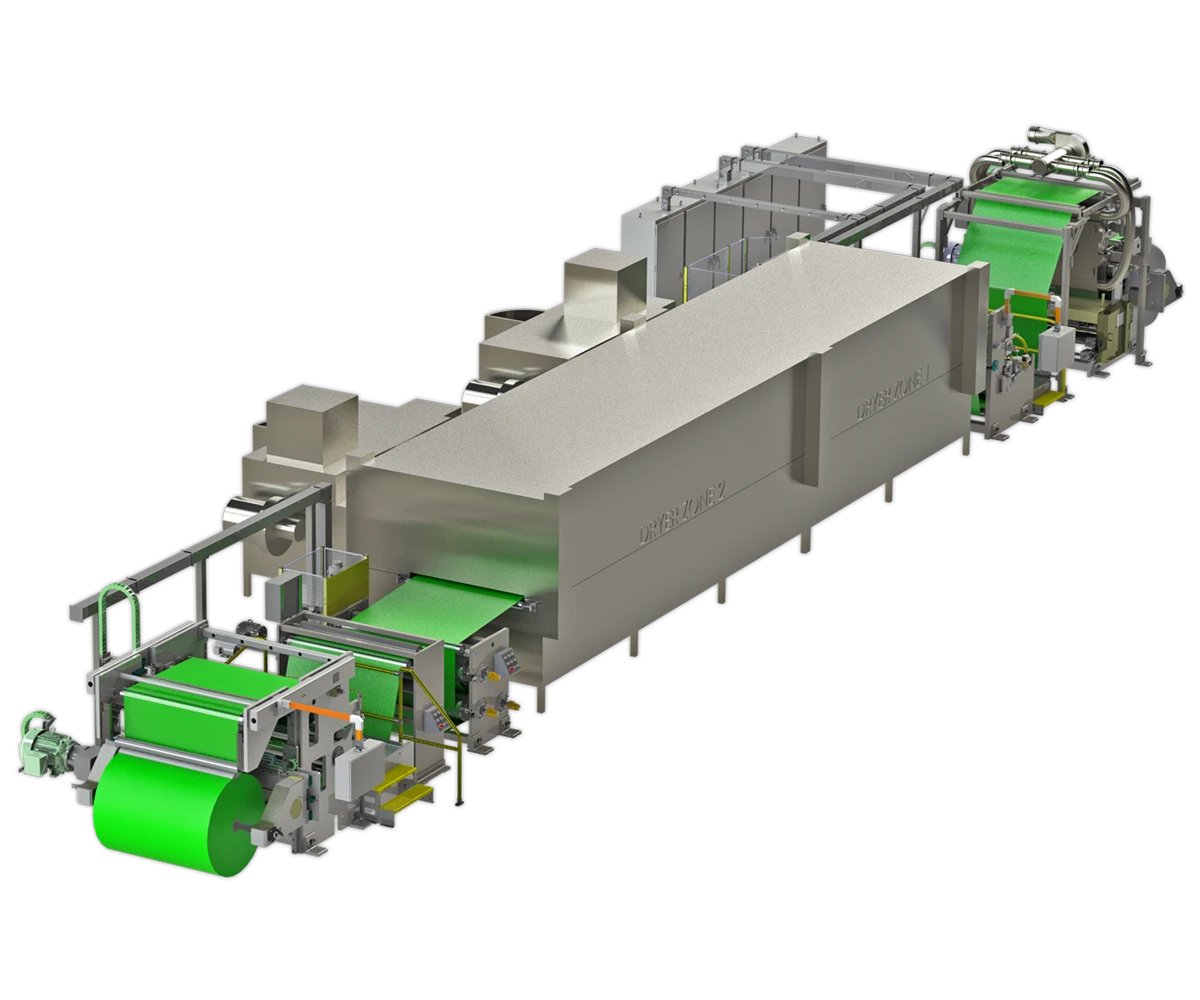
Automated systems work 24/7 with consistent output, maintaining production schedules even as workforce availability declines.
- Preserve Knowledge and Expertise
AI systems capture and standardize operational best practices, ensuring process consistency and reducing the risk of errors from less experienced operators.
- Improve Safety and Ergonomics
Robots handle physically demanding or hazardous tasks, lowering workplace injury risk and protecting employees as workforce demographics shift.
- Flexible Adaptation to Production Needs
Modern automation can adjust to multiple product types, sizes, or production rates, helping companies remain agile despite a changing workforce.
Industries Benefiting from AI and Automation
The impact of AI-driven automation spans multiple sectors:
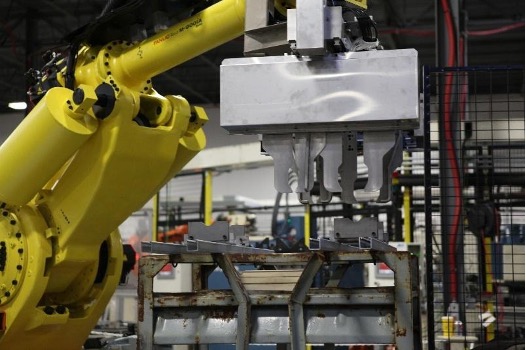
- Automotive & Aerospace: Assembly, welding, and material handling
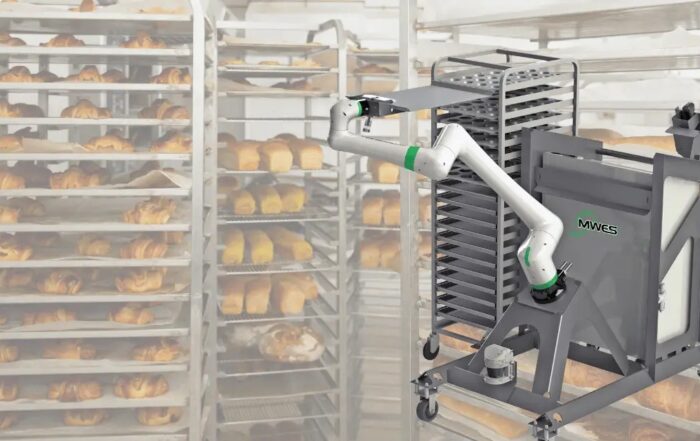
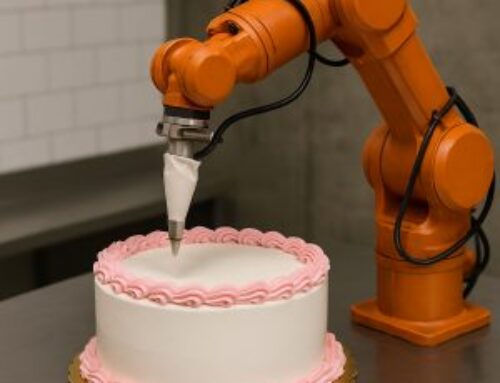
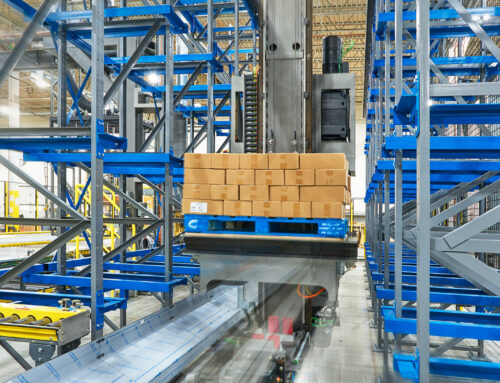
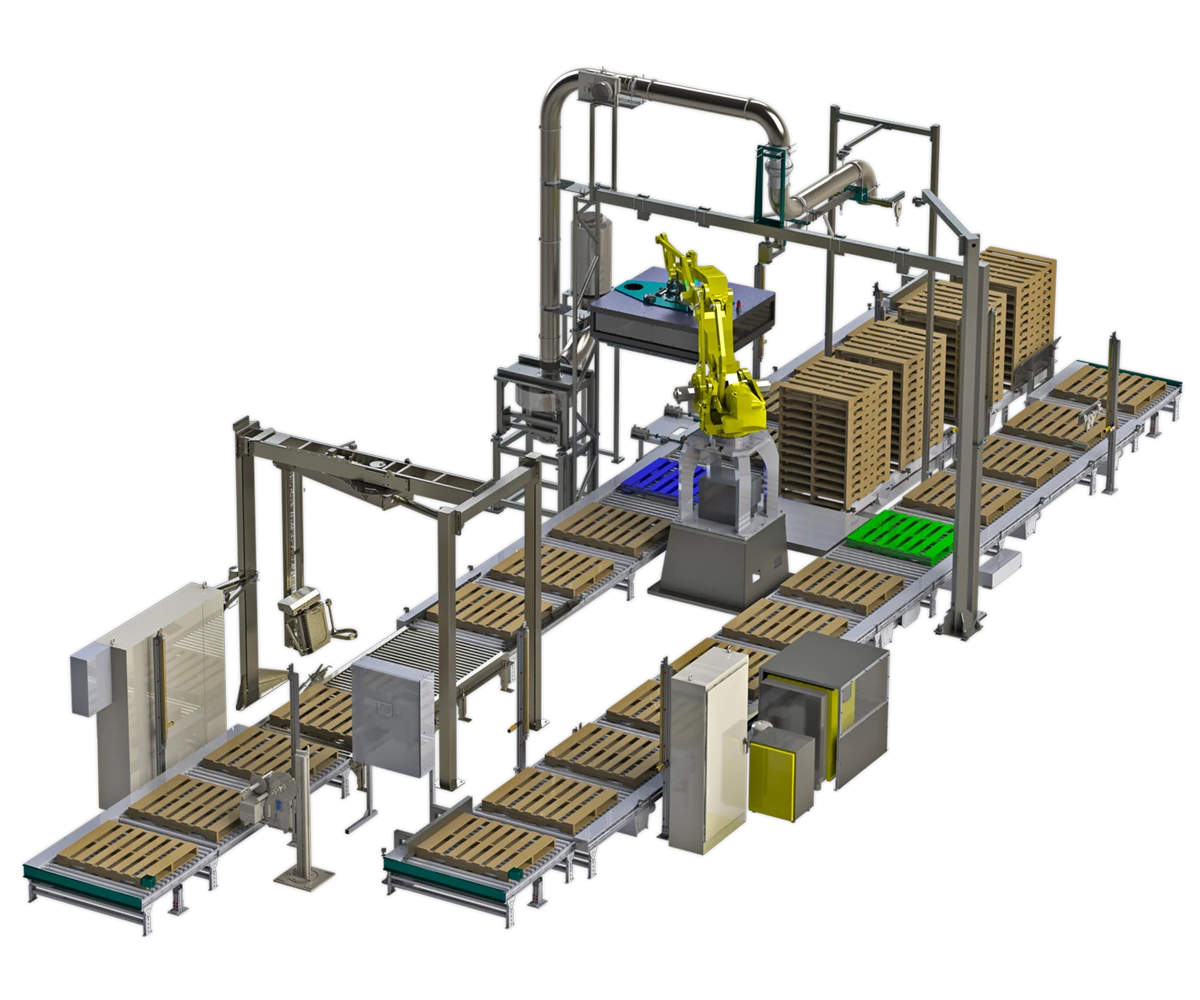
- Food & Beverage: Packaging, palletizing, and quality inspection
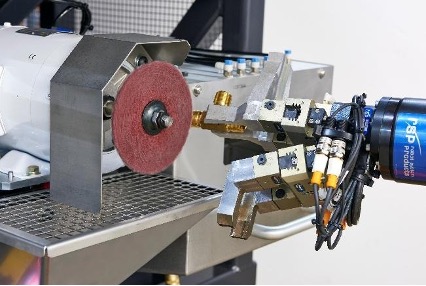
- Defense & Industrial Manufacturing: Precision machining, welding, and complex part handling
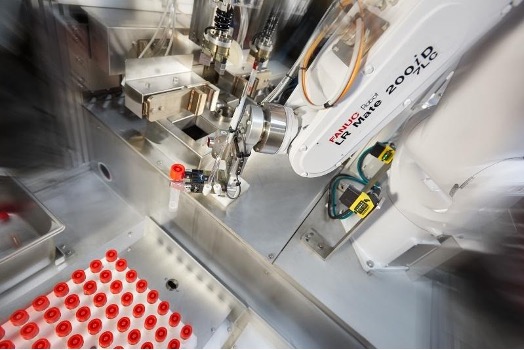
- Medical Device Manufacturing: High-accuracy assembly and testing
How MWES Can Help
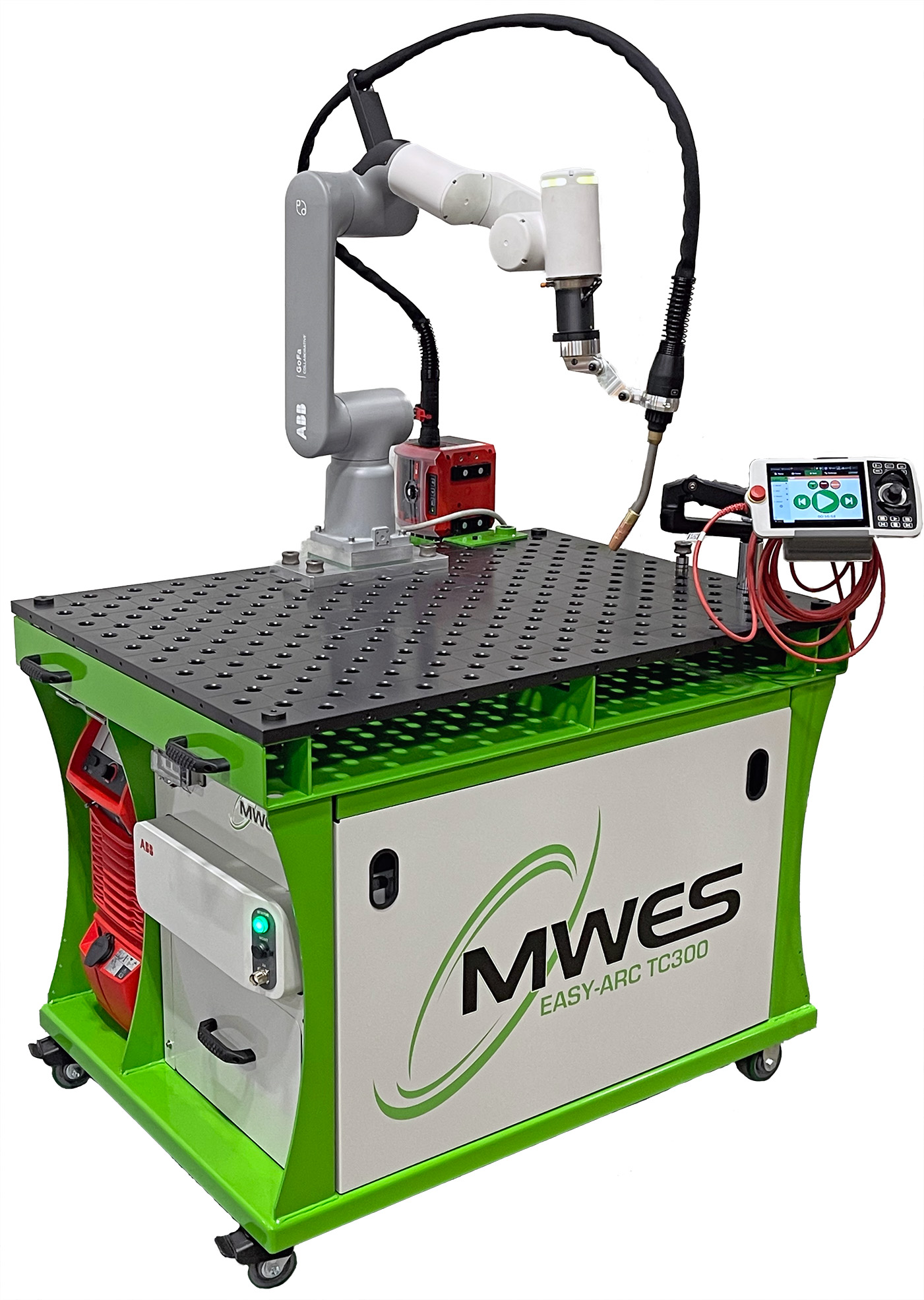
Midwest Engineered Systems (MWES) partners with manufacturers to implement custom AI and robotic automation solutions:
- Tailored Systems: Designed for your facility, workflow, and production needs
- Seamless Integration: Robots and AI systems work alongside your current equipment
- Operator-Friendly Interfaces: Easy-to-learn control systems reduce training time
- Full-Service Support: Installation, programming, optimization, and ongoing maintenance
- ROI-Focused Design: Automation that maximizes productivity and cost efficiency
Take Action: Future-Proof Your Workforce
Don’t let the demographic cliff slow your operations. Implement AI and robotic automation to maintain productivity, reduce labor dependency, and improve operational efficiency.
- ✅ Schedule a Consultation
- ✅ Discover how MWES can customize automation solutions for your production needs
- ✅ Future-proof your workforce and maximize efficiency despite labor shortages
Conclusion
The demographic cliff is a pressing challenge for manufacturers, but AI and robotic automation provide a clear path to bridging the workforce gap, maintaining production, and reducing labor costs. Partnering with MWES ensures your facility can adapt, scale, and remain competitive in the years to come.