Introduction
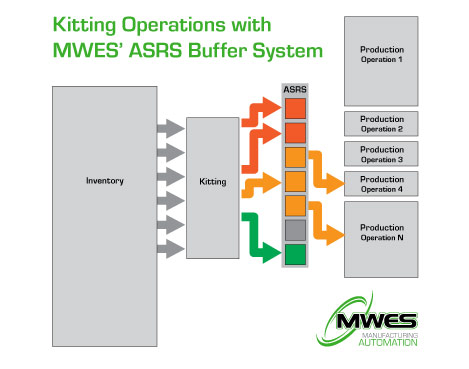
In modern manufacturing, optimizing kitting operations is crucial for enhancing production efficiency. Kitting involves assembling all the necessary components required for a specific production task into a single kit, streamlining the assembly process and reducing downtime. By implementing effective kitting strategies, manufacturers can achieve significant improvements in workflow, accuracy, and overall productivity.
Benefits of Streamlined Kitting Operations
- Reduced Assembly Time
By providing workers with pre-assembled kits, the time spent searching for individual components is minimized. This leads to faster assembly times and increased throughput. Studies have shown that kitting can reduce assembly time by up to 30%.
- Improved Inventory Management
Kitting allows for better tracking of components, reducing the risk of stockouts or overstock situations. It also simplifies inventory audits and helps maintain optimal stock levels. Implementing kitting strategies can lead to a 20% reduction in inventory costs.
- Enhanced Quality Control
By assembling kits in a controlled environment, manufacturers can ensure that all necessary components are included, reducing the likelihood of defects or errors during assembly. This proactive approach to quality control can decrease defect rates by up to 25%.
- Optimized Space Utilization
Kitting consolidates components into organized kits, freeing up valuable floor space and reducing clutter in the production area. This leads to a more organized and efficient workspace. Companies have reported a 15% improvement in space utilization after implementing kitting practices.
Best Practices for Implementing Kitting
- Standardize Kits: Develop standard kits for common tasks to ensure consistency and reduce preparation time.
- Use Technology: Implement barcode scanning or RFID systems to track components and kits accurately.
- Train Employees: Ensure that all personnel involved in kitting are properly trained to handle components and understand the assembly process.
- Continuous Improvement: Regularly review and update kitting procedures to identify areas for improvement and adapt to changing production needs.
Conclusion
Streamlining kitting operations is a powerful strategy for enhancing production efficiency in manufacturing. By reducing assembly time, improving inventory management, enhancing quality control, and optimizing space utilization, manufacturers can achieve significant gains in productivity and cost savings. Implementing best practices and leveraging technology are key steps in realizing the full potential of kitting in modern manufacturing environments.