The Challenge
Automating Welding for Large Aluminum Assemblies
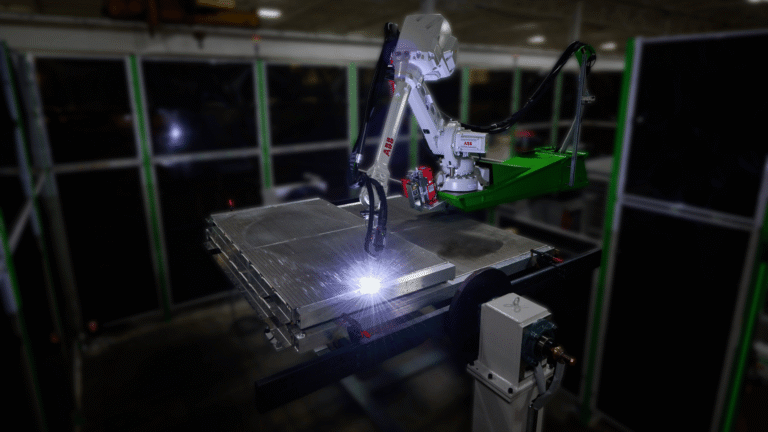
Welding large aluminum radiator assemblies presents challenges related to part size, weld accessibility, and workpiece positioning. Multiple weld locations require controlled part rotation and coordinated robotic movement to reach the necessary welding positions.
The application also required a system that could accommodate operator loading and unloading without interrupting welding operations at the opposite station.
MWES needed to develop an integrated solution that combined robotic reach, heavy-duty part positioning, welding technology, and operator access within a dual-station configuration.
The Solution
One Robot, Two Welding Stations
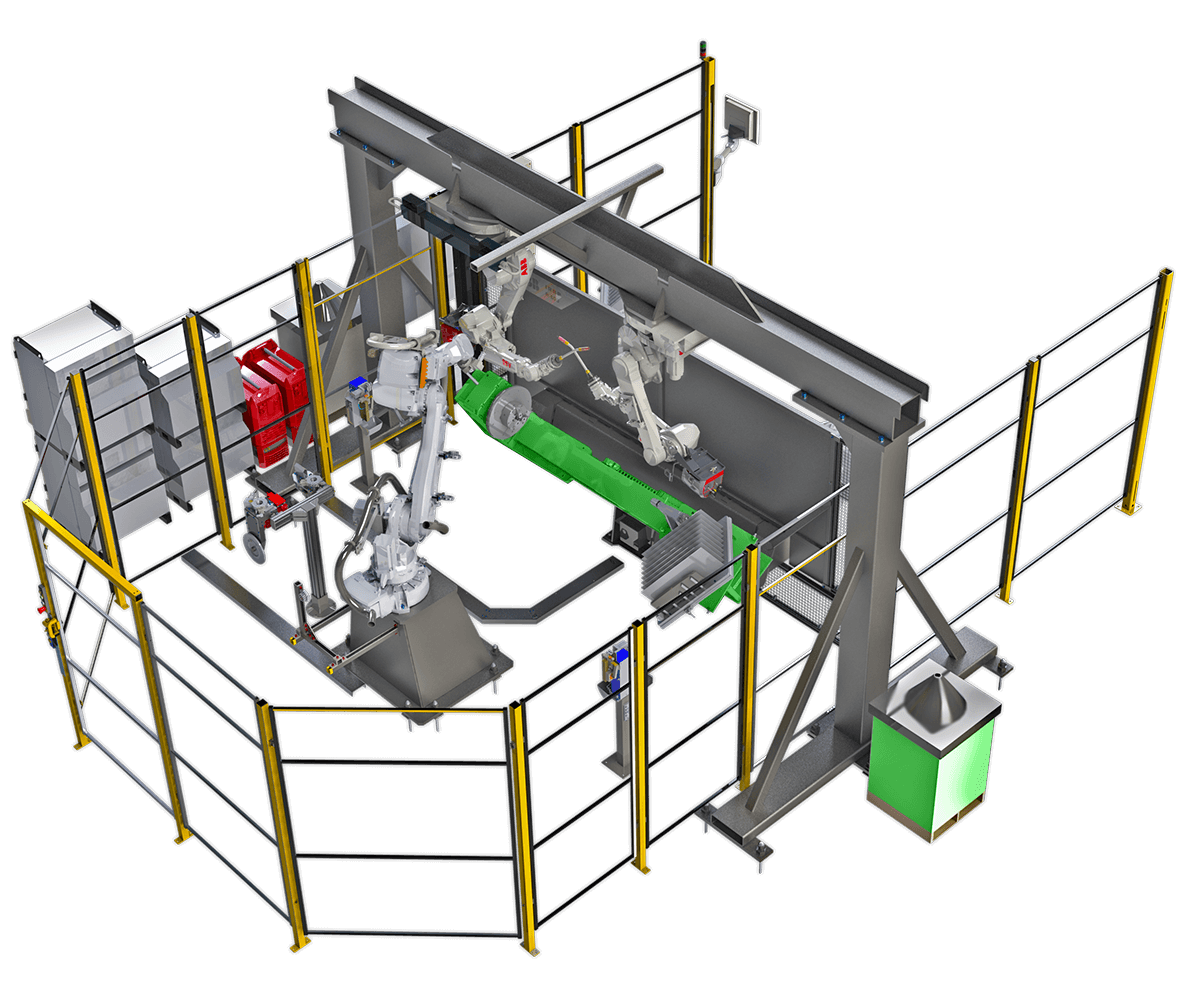
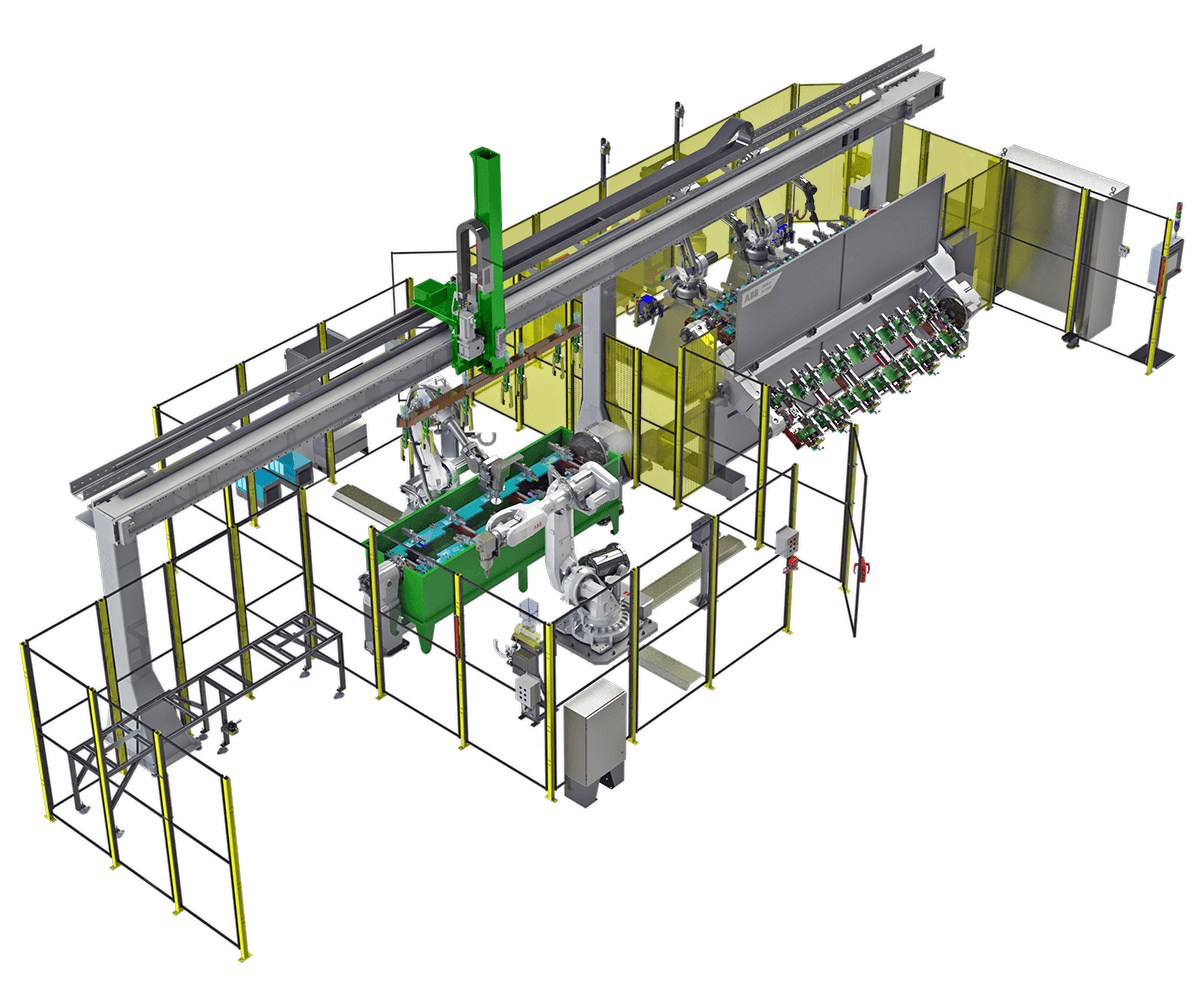
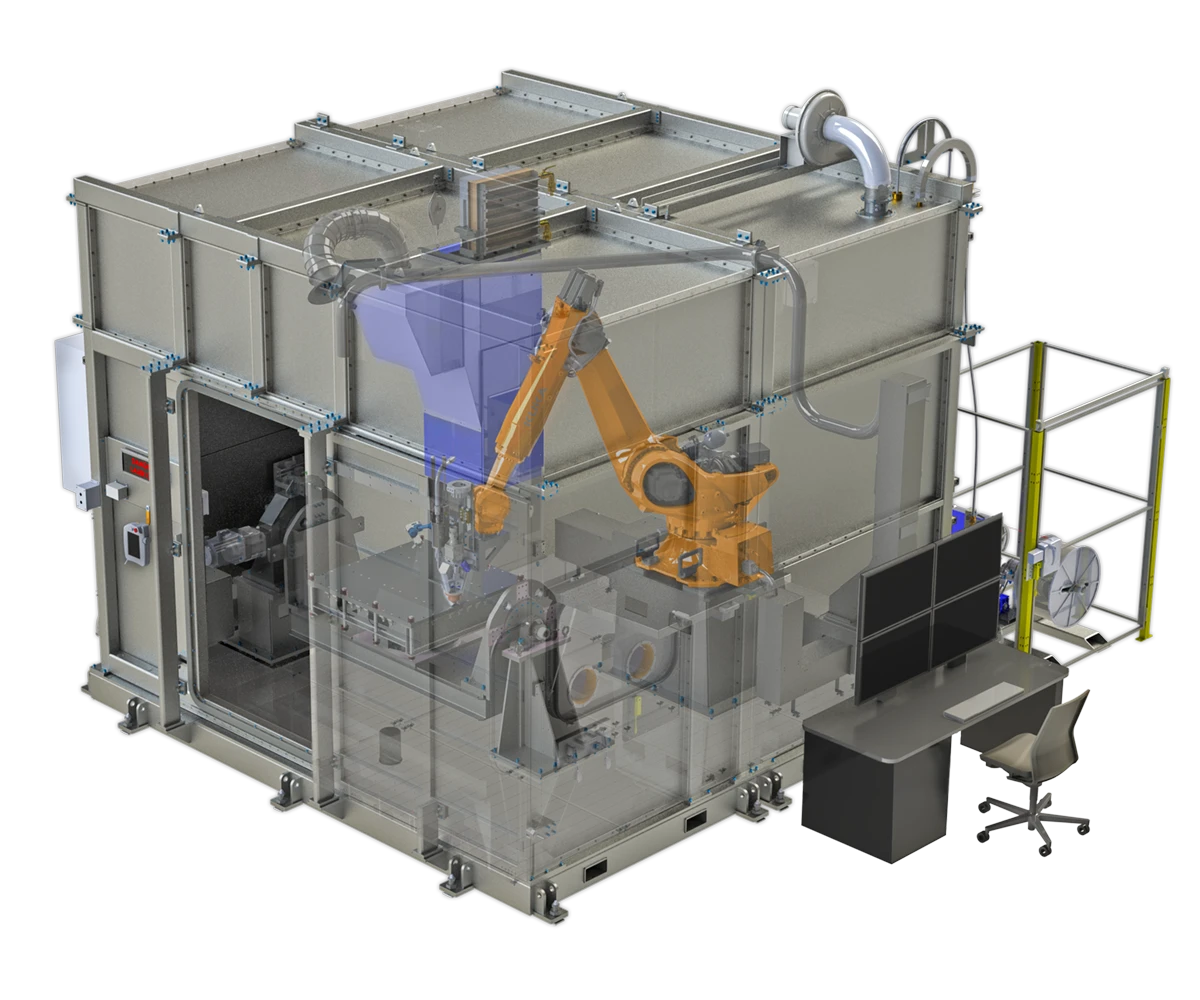
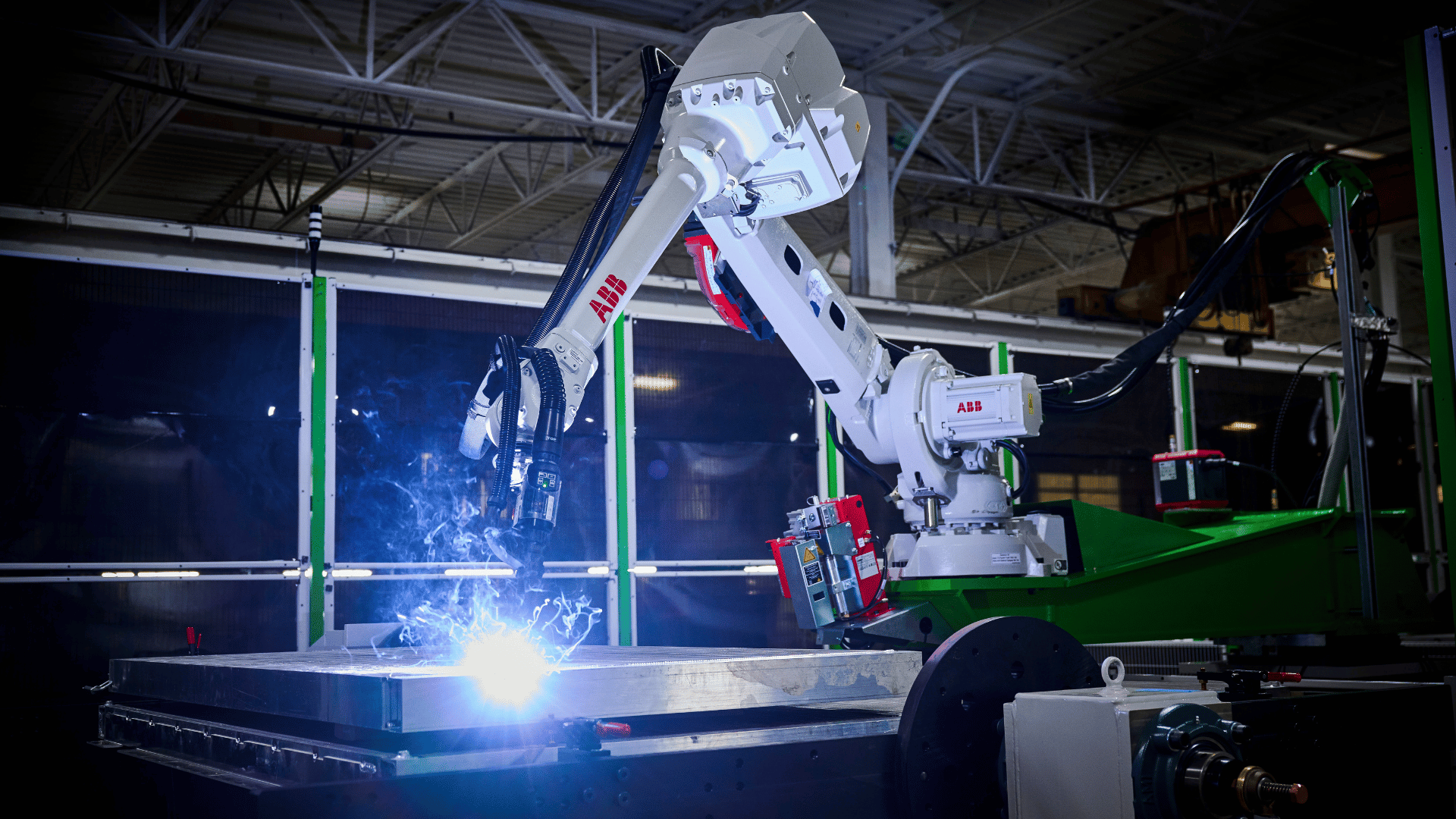
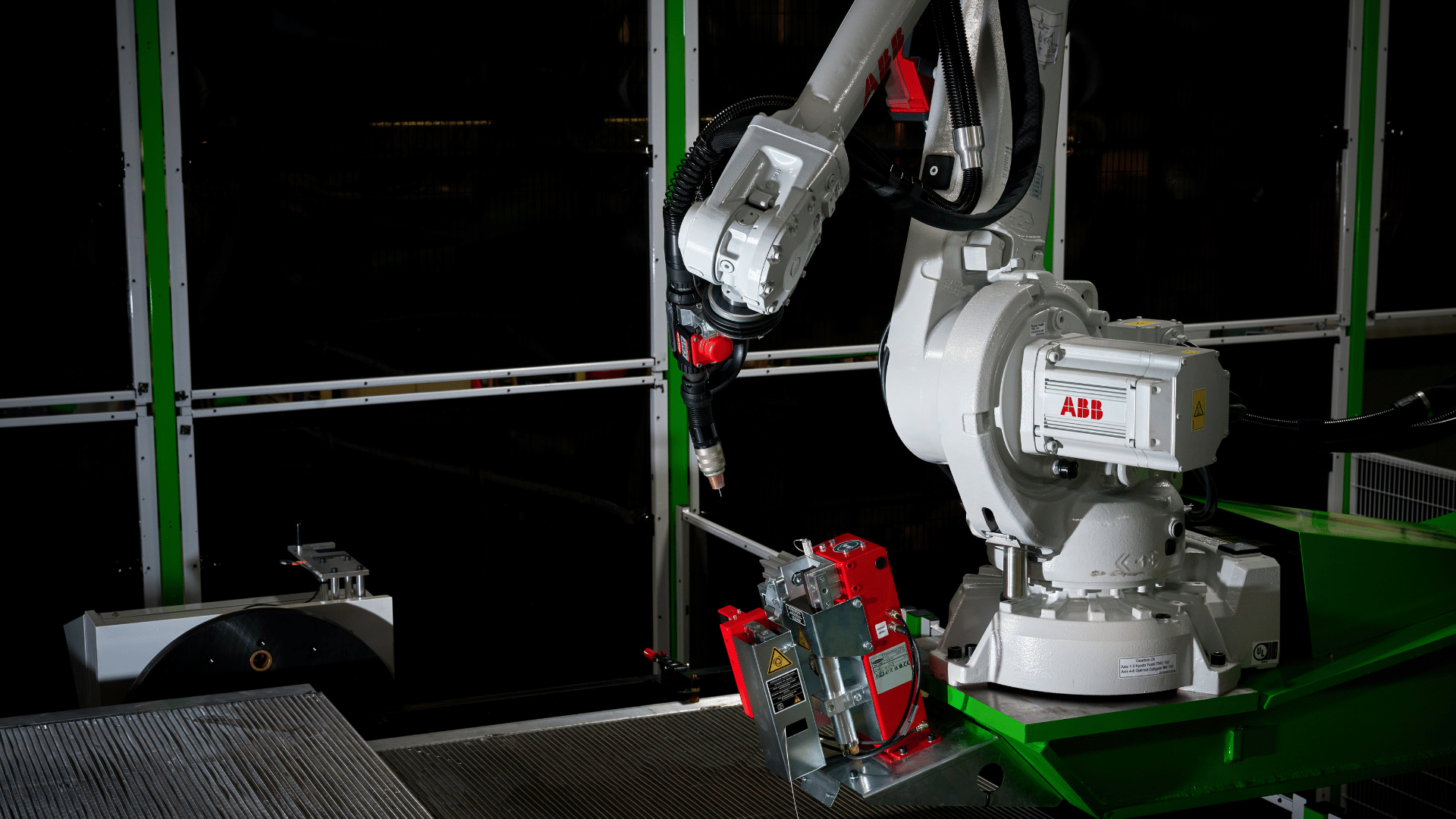
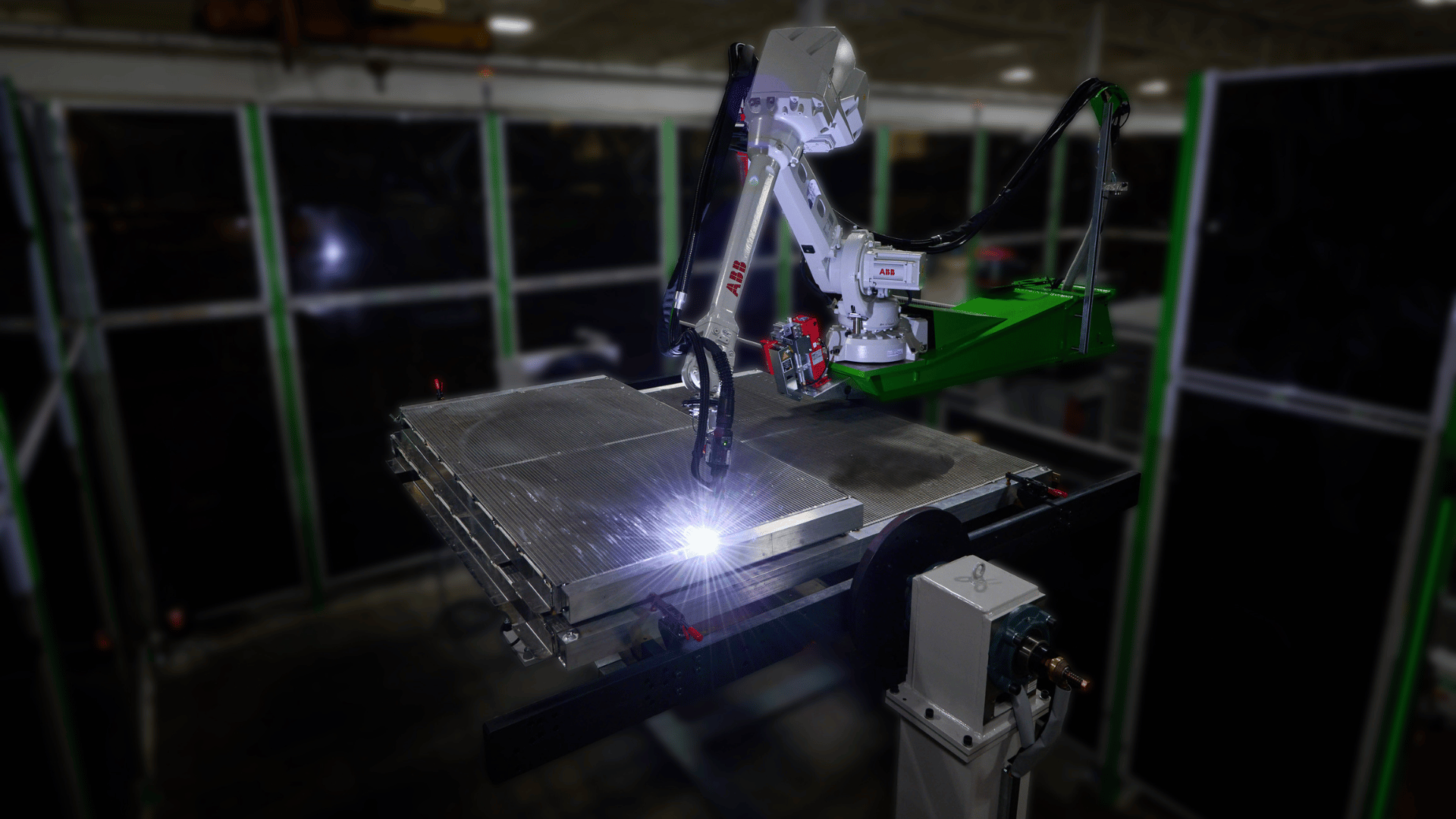
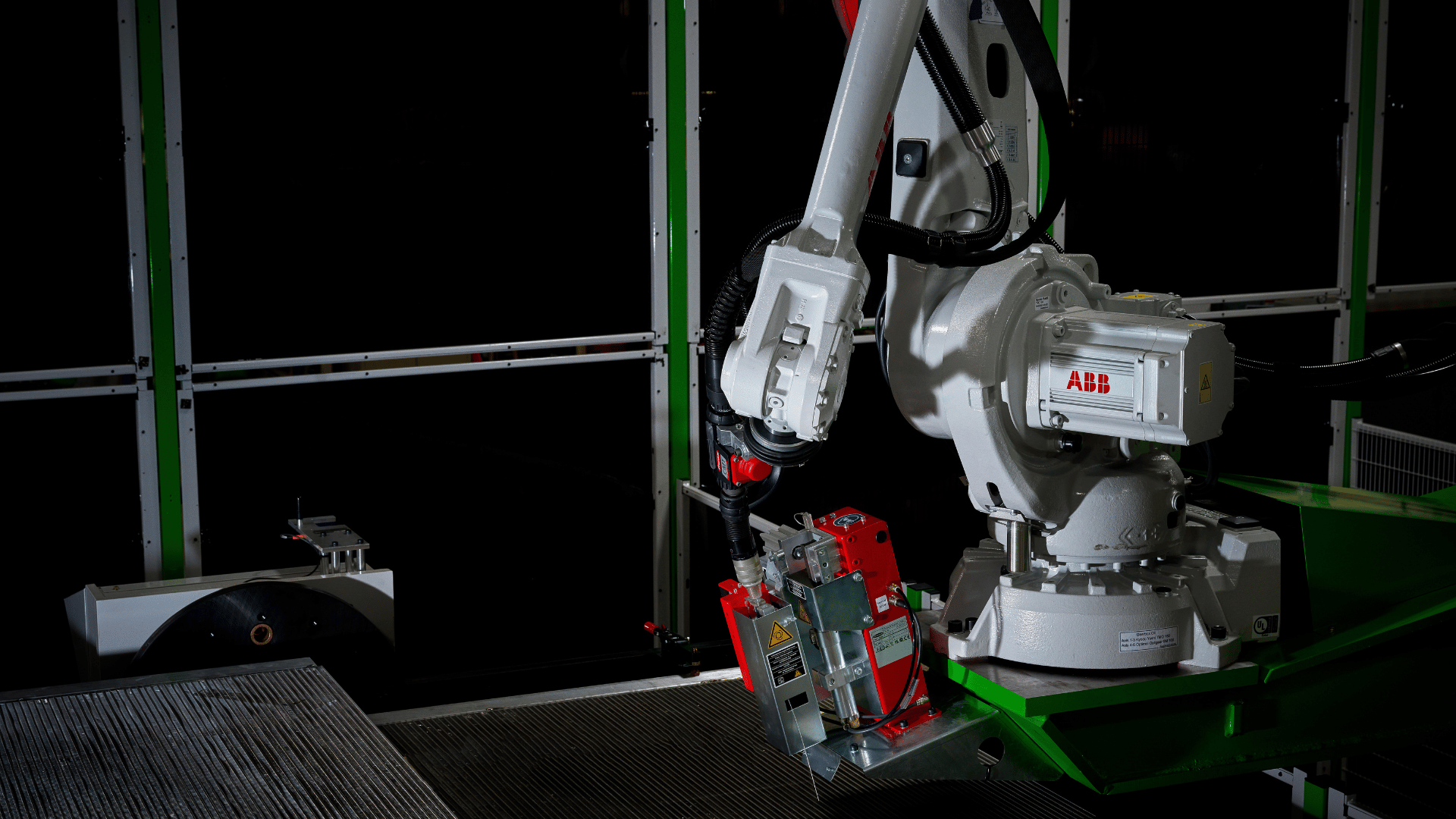
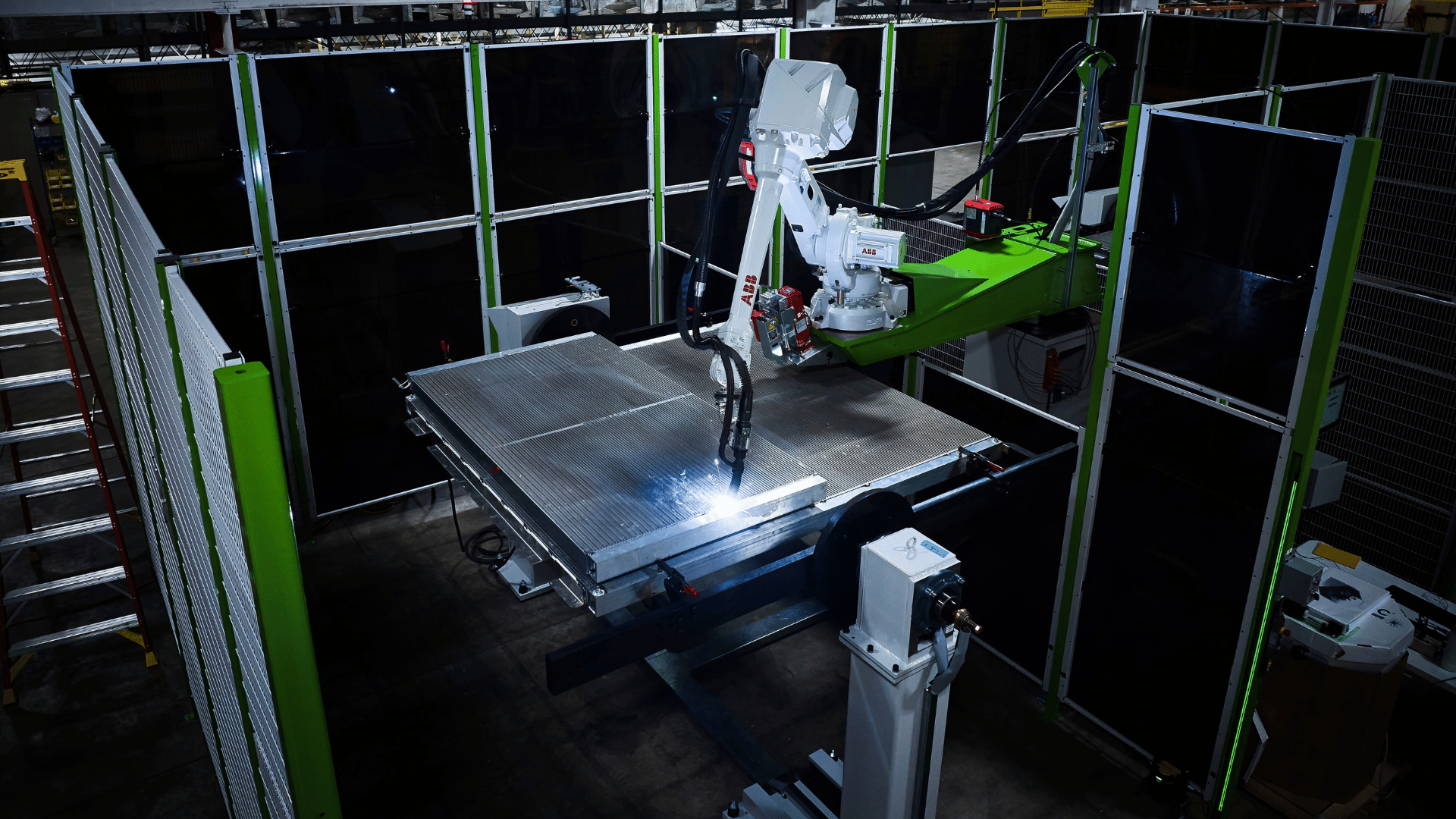
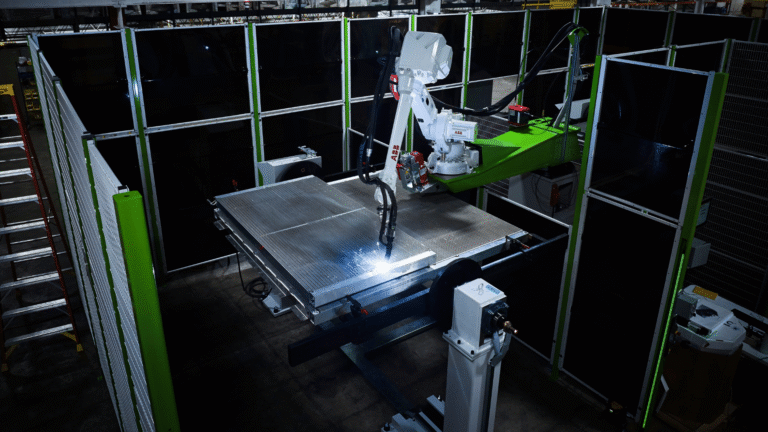
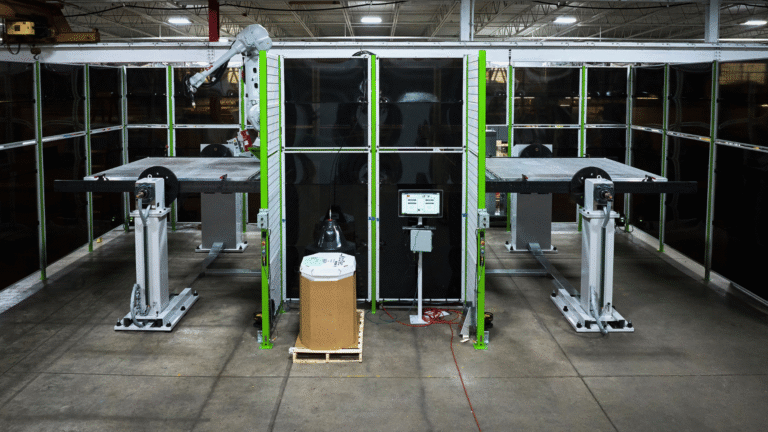
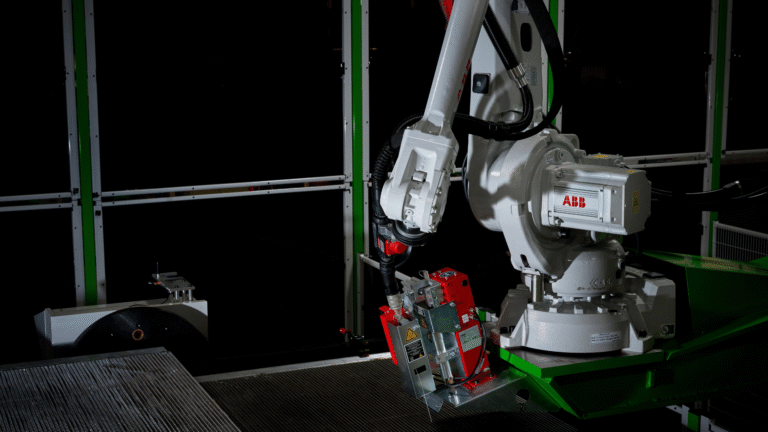
MWES designed a dual-station robotic welding cell centered around an ABB IRB 4600 industrial robot mounted on a servo-driven rotating base. Functioning as a seventh axis, the base allows the robot to rotate between two welding stations while extending its effective working envelope.
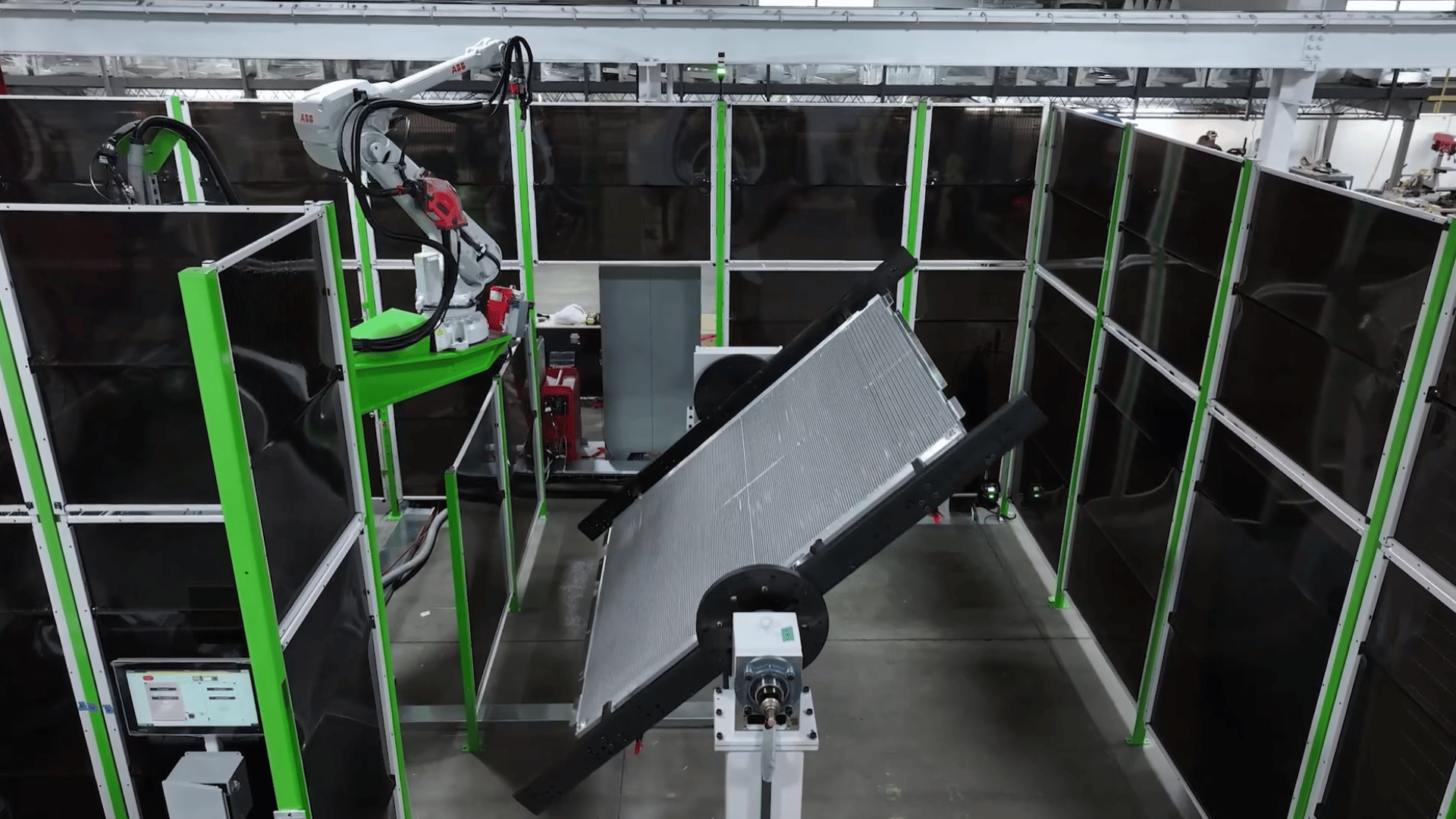
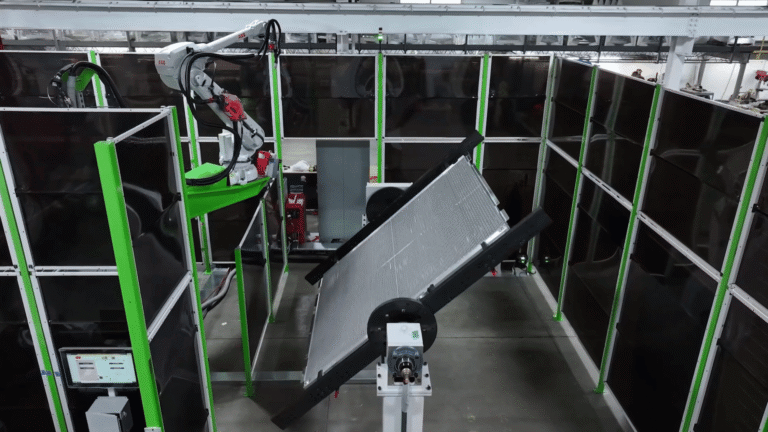
Each station features a 5,000-lb-capacity headstock/tailstock positioner with servo-controlled rotation. The positioners coordinate with the robot to present different weld locations throughout the automated welding sequence.
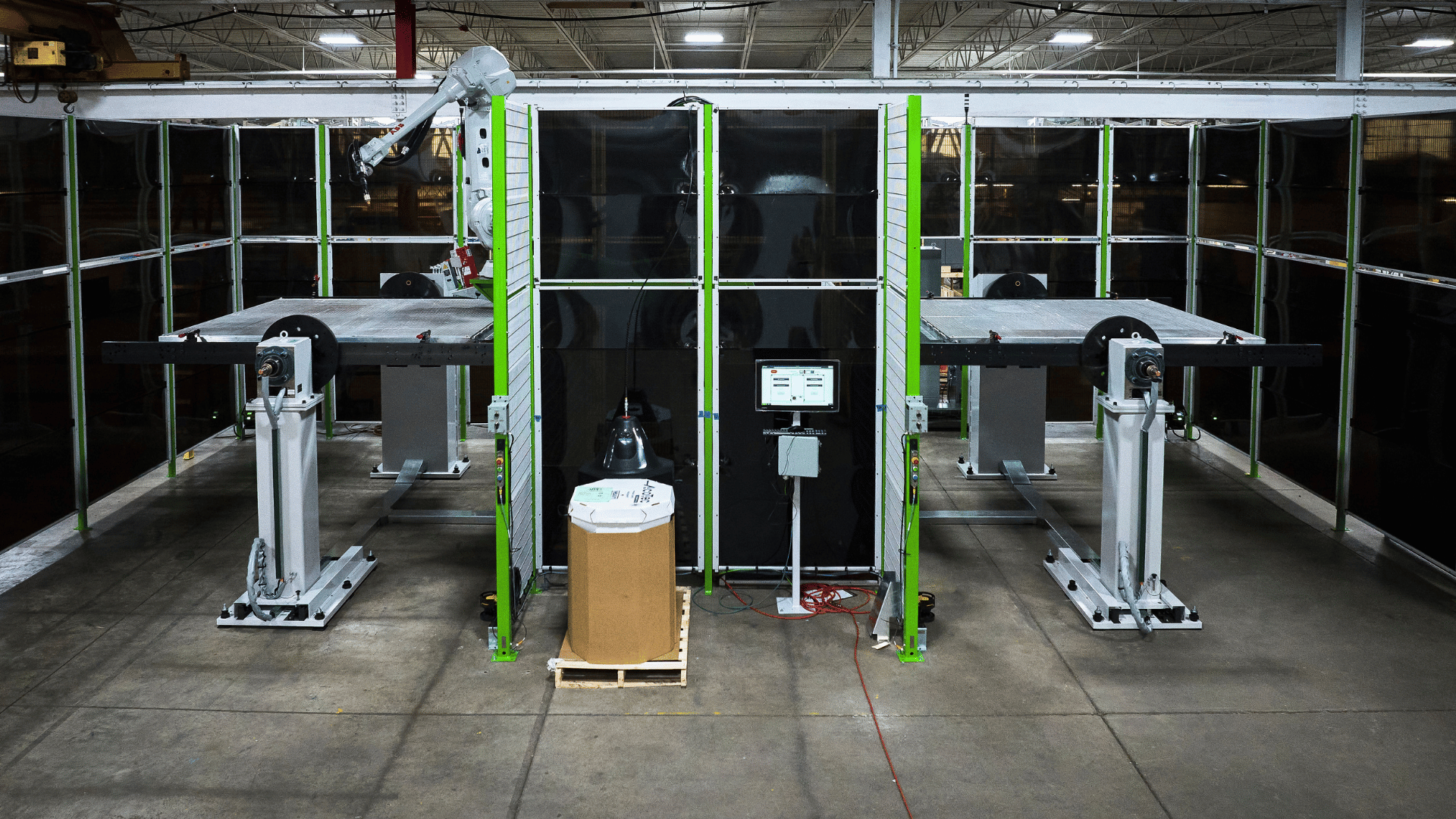
While the robot welds at one station, an operator can unload a completed assembly and fixture the next part at the opposite station. Once the welding operation is complete, the robot rotates to the next available station.
ABB Robot with Seventh-Axis Rotating Base
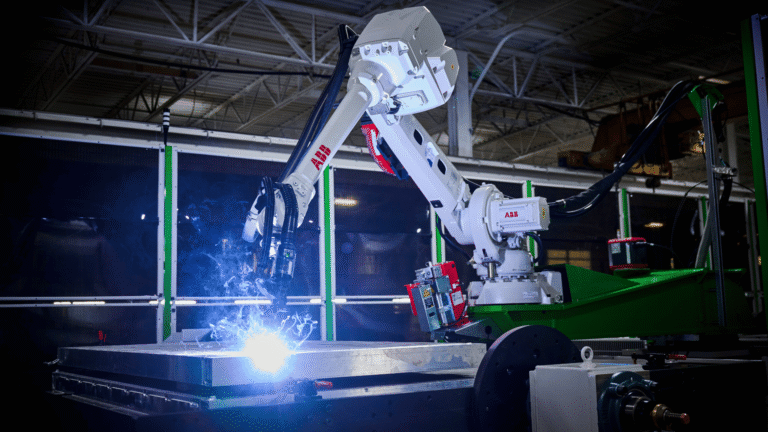
An ABB IRB 4600 industrial robot performs the automated welding operation.
Rather than mounting the robot in a fixed position, MWES incorporated a servo-driven rotating robot base with an extended boom. Positioned between the two welding stations, the base provides additional reach and allows the robot to rotate between work areas.
This configuration enables one robot to service two welding stations while maintaining access to weld locations across large assemblies.
Dual-Station Welding Configuration
The system incorporates two separate welding stations, each equipped with dedicated part fixturing and positioning equipment.
While the robot performs welding operations at one station, an operator can unload a completed assembly and load a new workpiece at the opposite station.
Once welding is complete, the robot can rotate toward the other station to begin the next welding operation.
This arrangement separates operator loading and unloading activities from the active welding station, creating opportunities to reduce non-welding time between cycles.
Heavy-Duty Servo-Controlled Weld Positioners
Each welding station features a 5,000-lb-capacity headstock/tailstock positioner controlled by the robotic system.
The servo-driven positioners rotate large radiator assemblies into the orientations required for welding. Coordinated robot and positioner motion provides access to weld locations around the workpiece without requiring operators to manually reposition the assembly during welding.
Custom fixtures secure and locate the assemblies throughout the process.
Integrated Fronius Welding Technology
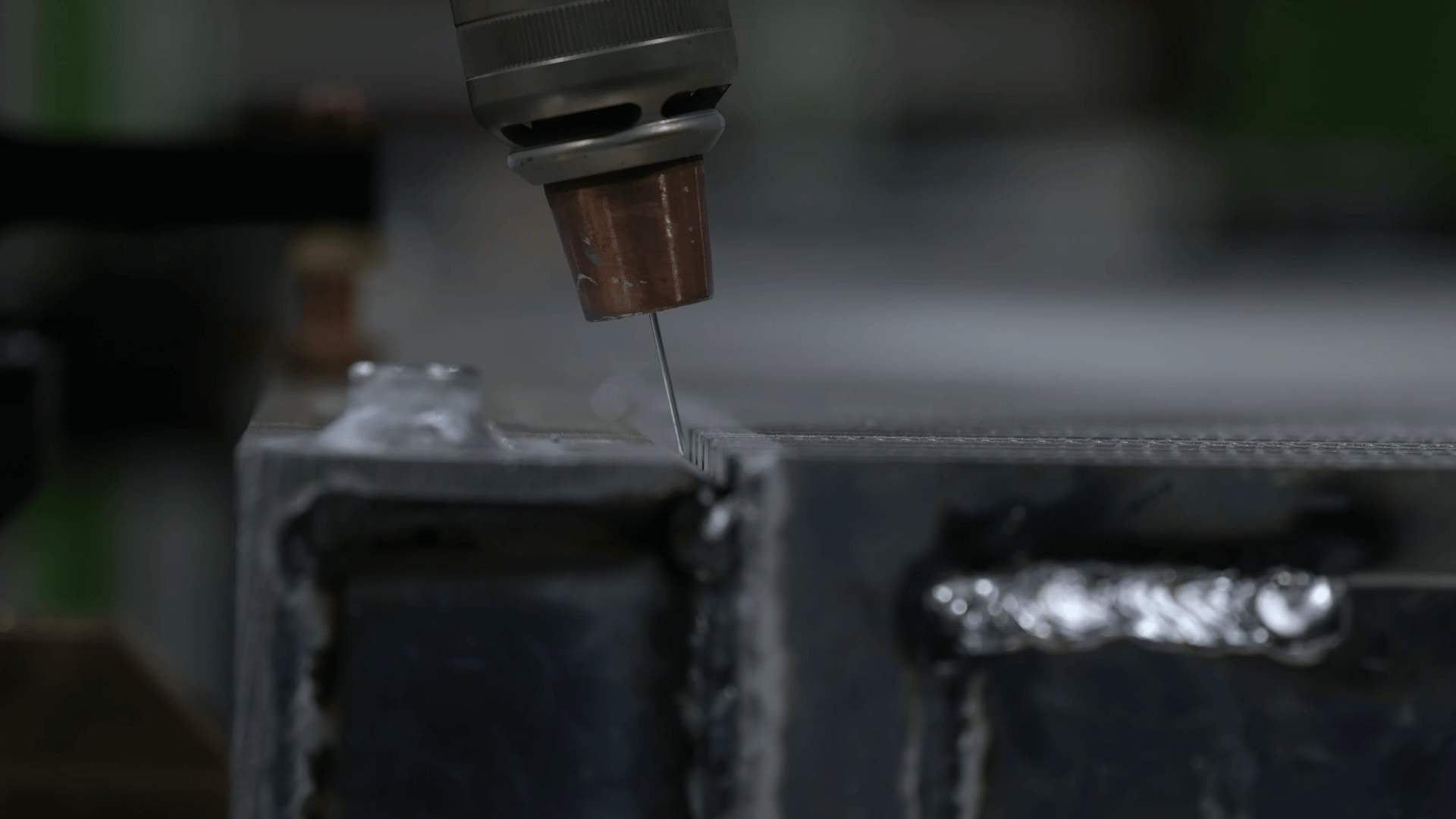
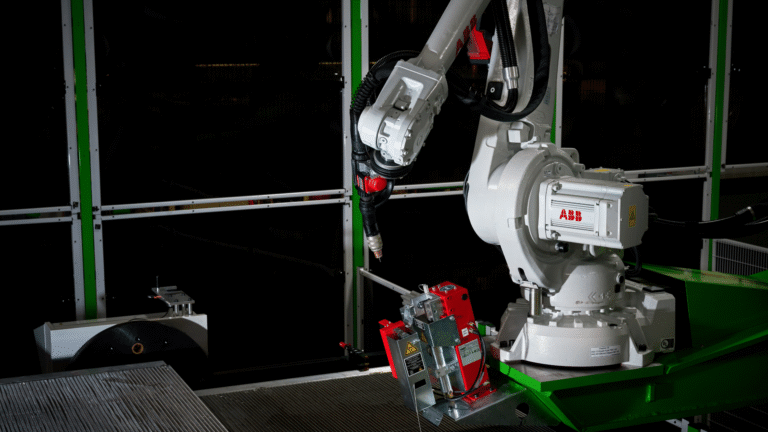
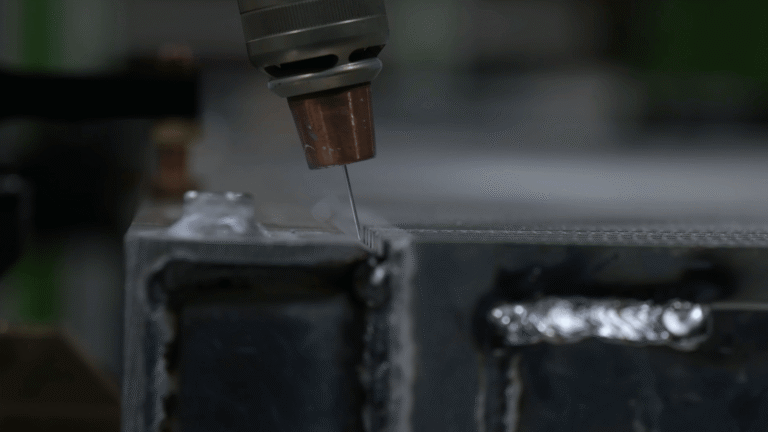
The system incorporates a Fronius TPS 500i welding package with CMT-ready capabilities and WireSense technology.
Additional features include automated torch cleaning, wire cutting, and tool center point (TCP) calibration to support consistent robotic operation.
Custom Controls and Safety Integration
MWES integrated the robotic equipment, weld positioners, operator controls, and safety systems into one coordinated automation cell.
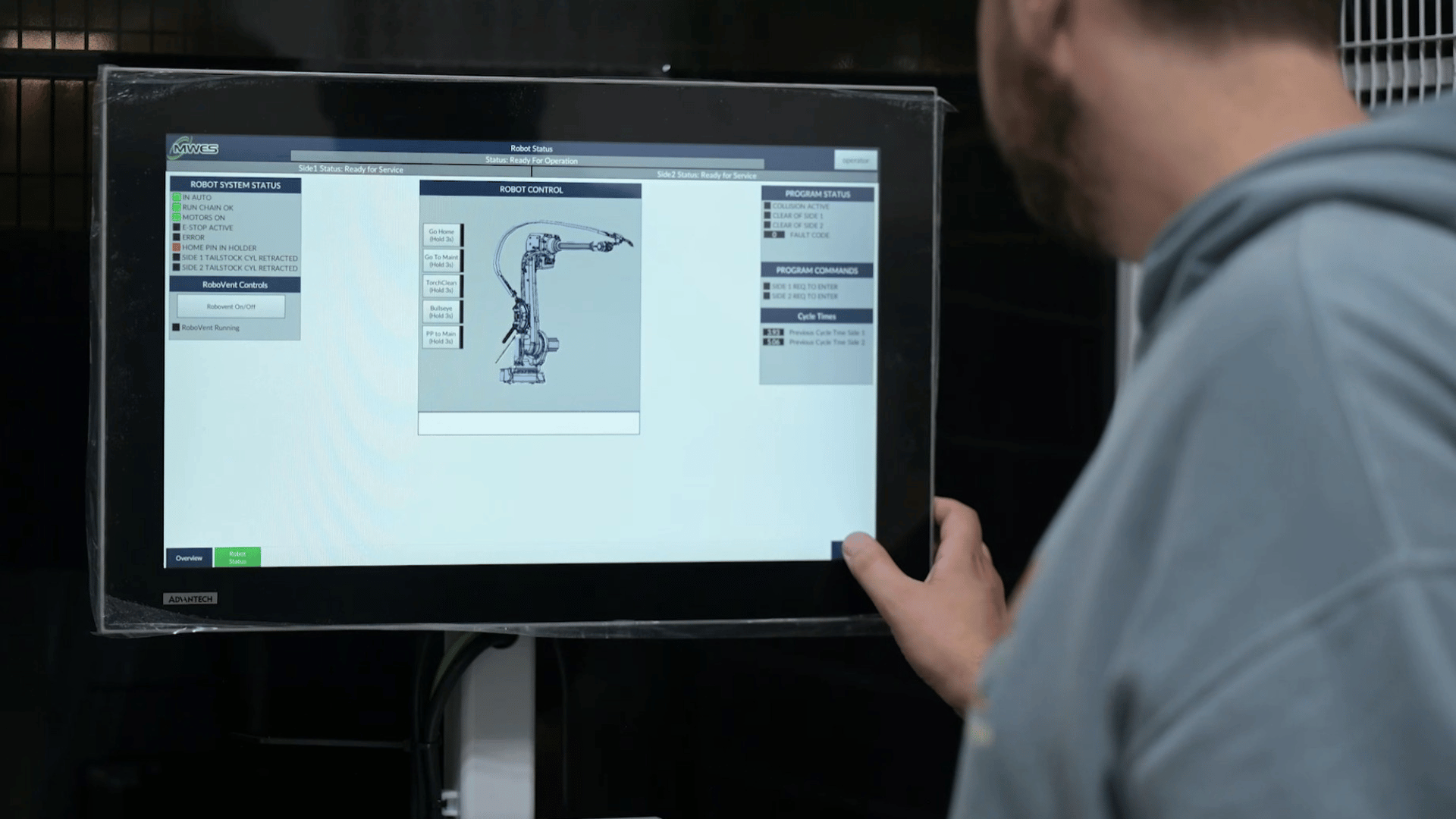
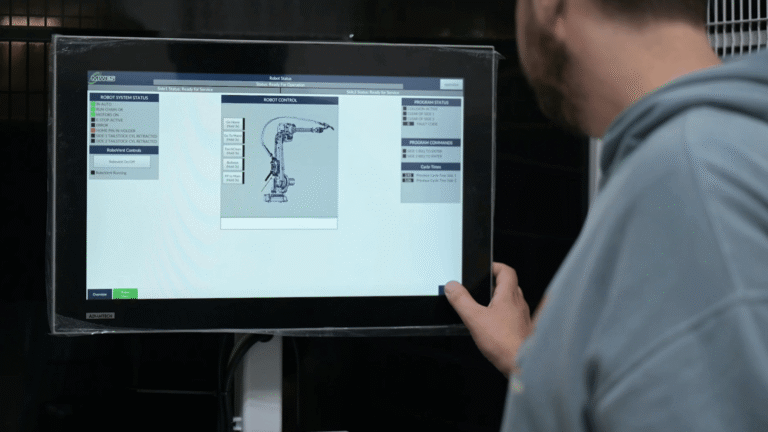
The system includes a touchscreen HMI, operator controls, perimeter guarding, arc-flash curtains, safety light curtains, and area scanners to manage access during welding and loading operations.
The Results
Expanded Weld Accessibility with Dual-Station Operation
The custom system brings robotic welding, coordinated part positioning, and operator loading into a single integrated solution.
Key system capabilities include:
- Dual-station welding: One ABB robot services two welding stations, allowing loading and unloading at one station while welding occurs at the other.
- Extended robotic reach: A servo-driven seventh-axis rotating base provides access to both welding stations.
- Heavy-duty part positioning: Two 5,000-lb servo-controlled positioners rotate large assemblies throughout the welding sequence.
- Integrated welding technology: Fronius TPS 500i equipment with CMT-ready capabilities, WireSense, and automated torch maintenance.
- Coordinated automation: Custom controls, safety systems, and robotic programming integrate the welding process.
By combining a seventh-axis robotic configuration with dual welding stations and heavy-duty positioners, MWES developed a custom welding automation solution designed around the demands of large aluminum assemblies.
Explore Custom Robotic Welding Solutions
From individual robotic weld cells to complex multi-station systems, Midwest Engineered Systems designs and integrates welding automation tailored to each manufacturer’s production requirements.