
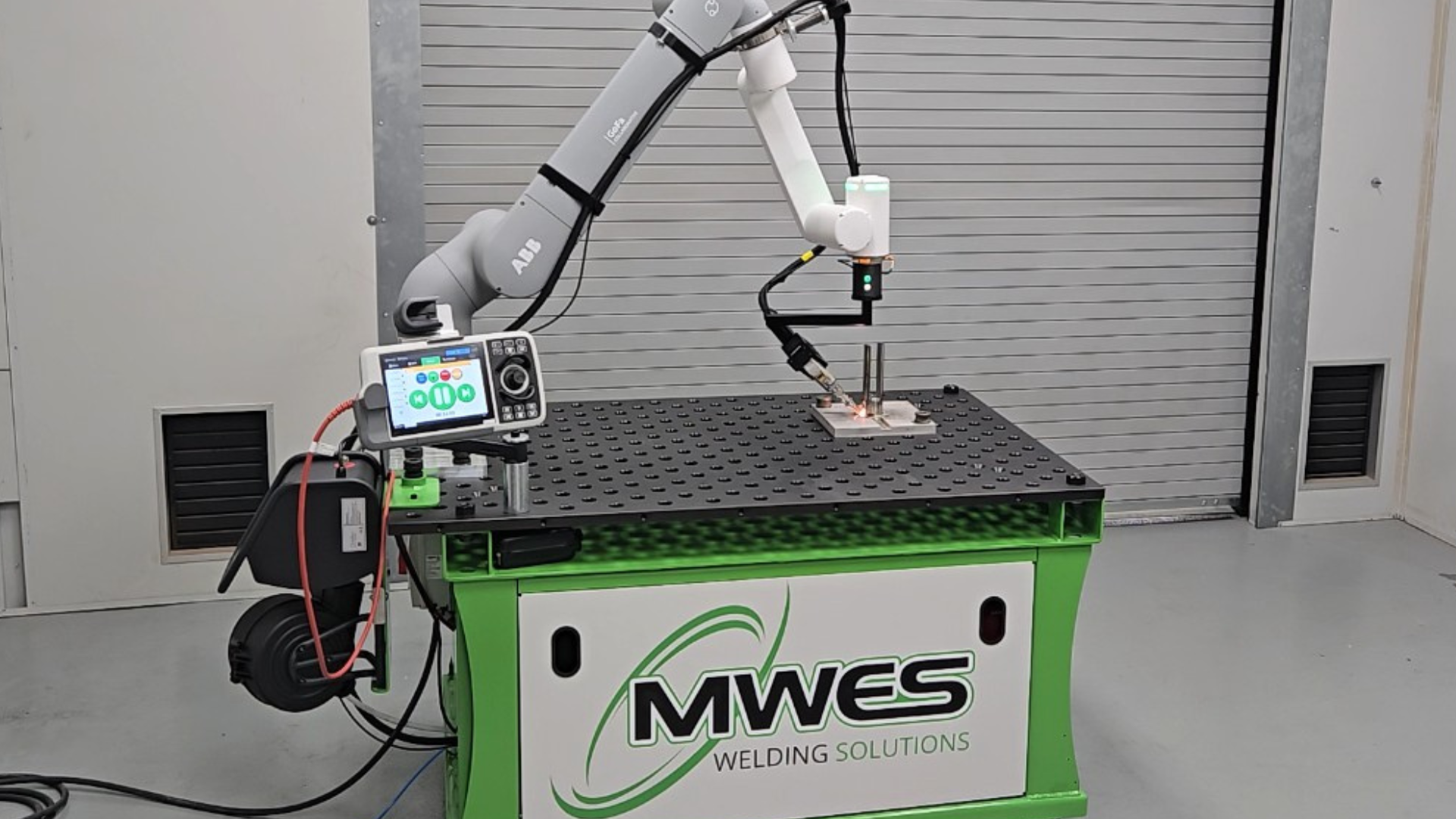
Workplace injuries are more than a human concern — they’re a significant and often under-estimated cost for manufacturers. From direct medical expenses to indirect productivity losses, injuries disrupt operations, increase insurance premiums, and erode employee morale. As manufacturers pursue greater productivity and competitiveness, understanding the true cost of workplace injuries and how to prevent them is essential.
Robotic automation is emerging as a strategic solution that not only enhances efficiency, but also significantly reduces injury risk — improving safety, retaining valuable workers, and strengthening the bottom line.
The Hidden Costs Behind Workplace Injuries
Injuries in industrial settings don’t just impact the individual; they affect the entire organization. These effects can be grouped into direct and indirect costs:
Direct Costs
Direct costs are often visible and measurable, including:
- Medical care and treatment
- Workers’ compensation claims
- Rehabilitation and disability payments
While these are significant, they represent only part of the true financial impact.
Indirect Costs
Indirect costs frequently exceed direct costs and can be harder to quantify:
- Lost productivity when a skilled worker is absent
- Overtime pay to cover shifts and backlog
- Training and onboarding new or temporary staff
- Lowered employee morale and engagement
- Increased inspection and reporting requirements
- Damaged equipment or product rework costs
Industry estimates suggest that for every dollar spent on direct injury costs, multiples are incurred in indirect costs — often ranging from 3x to 10x the initial expense. These cumulative impacts can erode profitability and reduce competitive agility.
Workplace Risk Factors in Manufacturing
Certain tasks and environments carry higher injury risk, including:
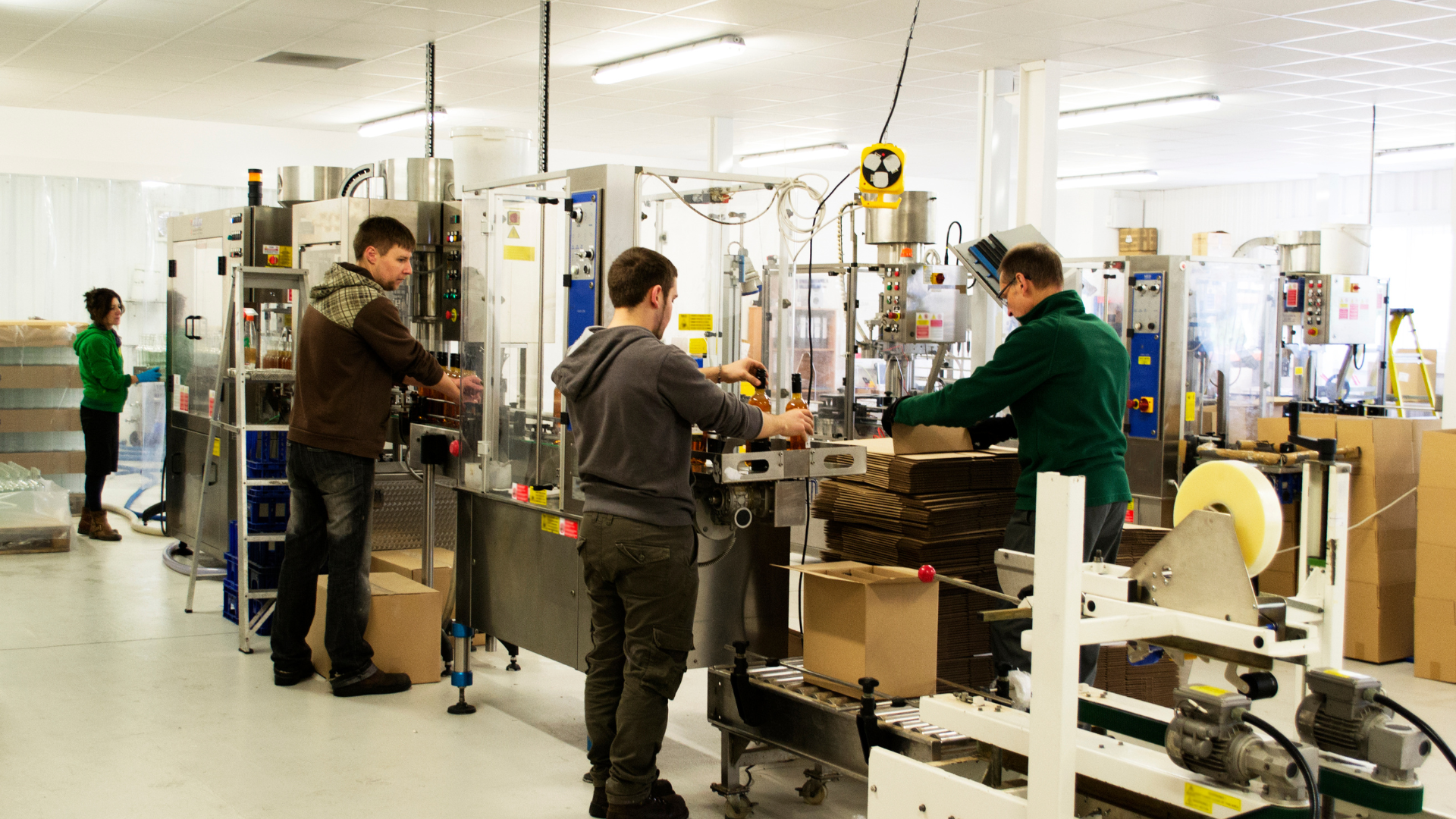
- Repetitive manual handling of heavy parts
- Ergonomically challenging assembly work
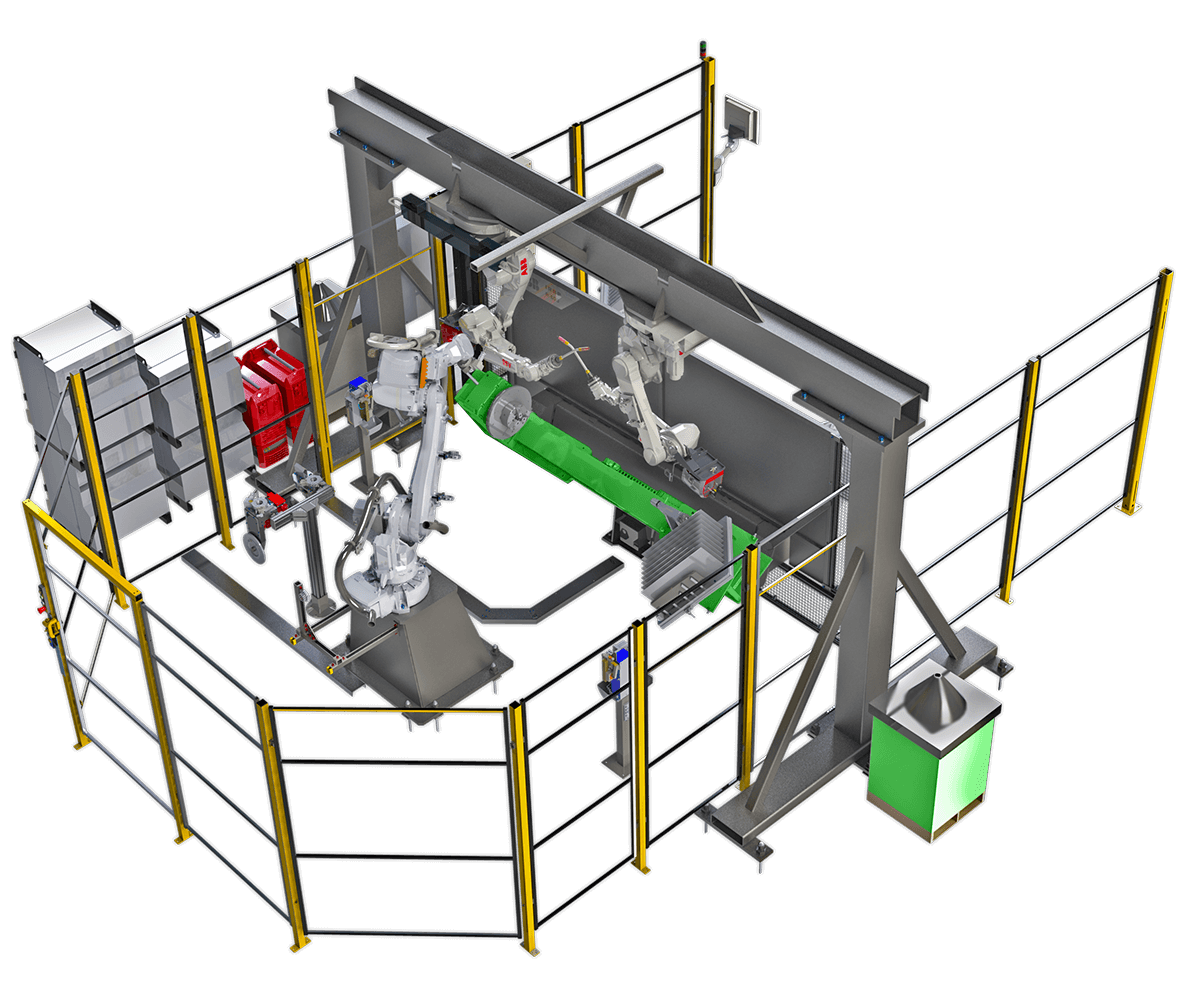
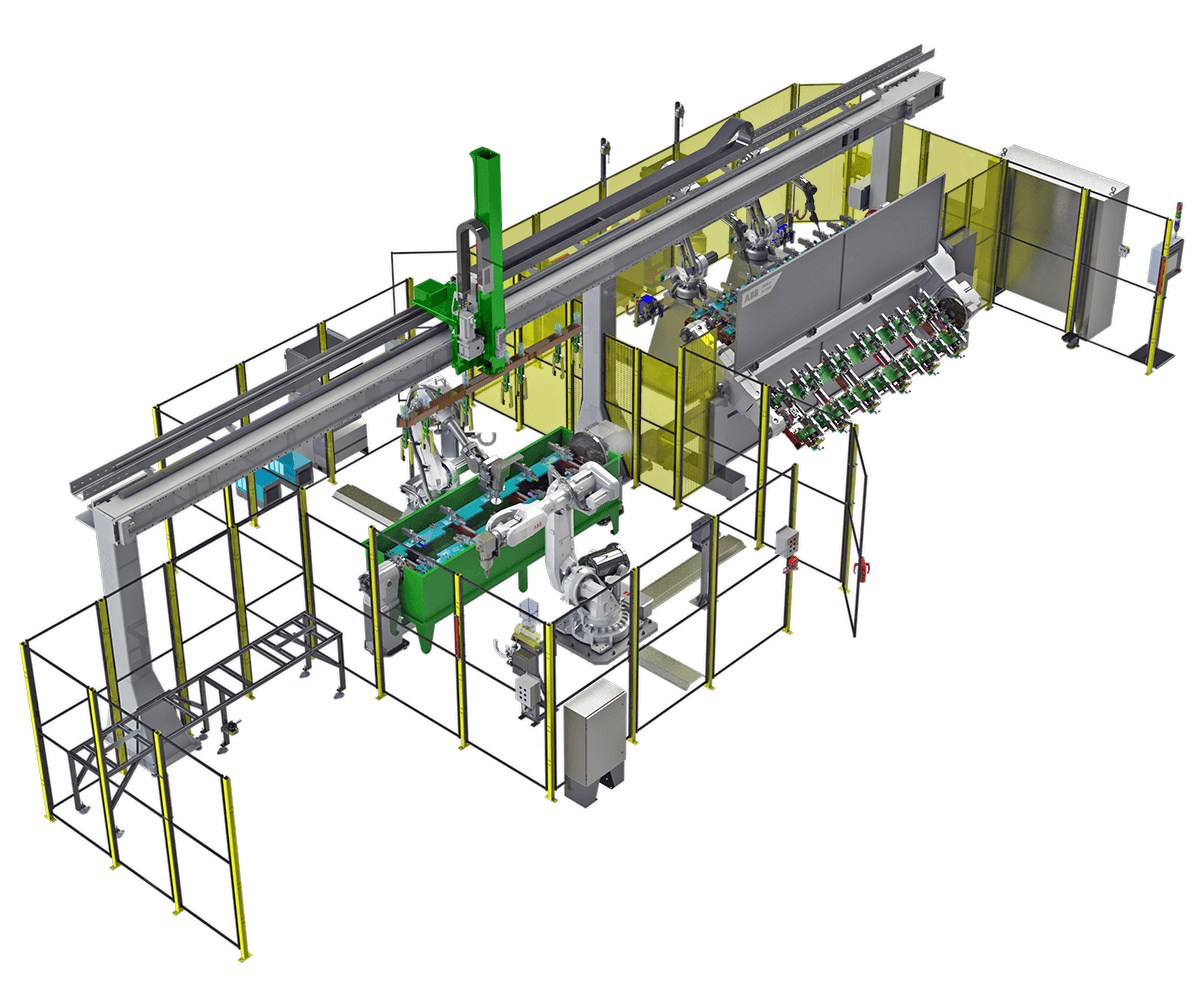
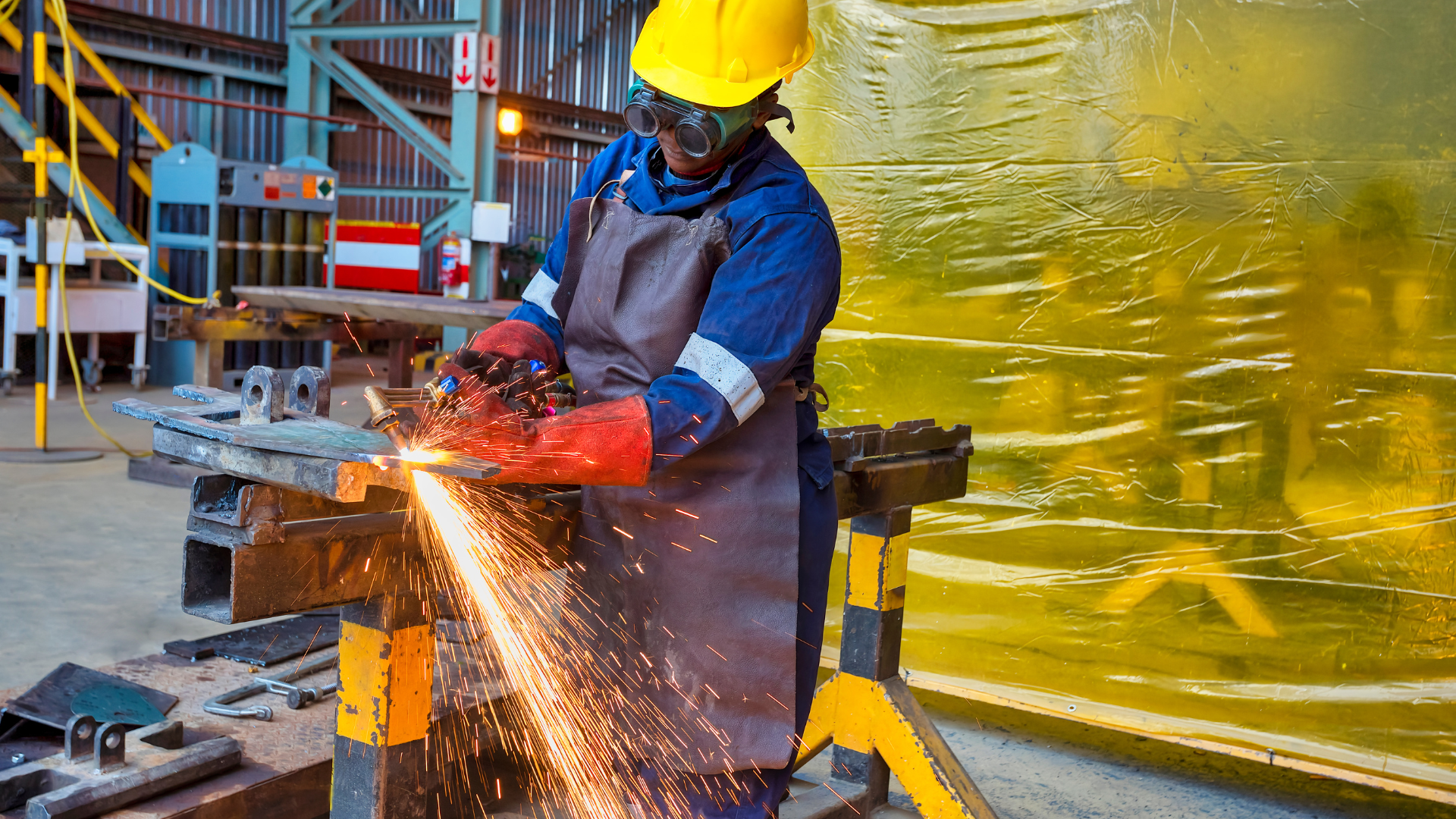
- Welding and fabrication with heat and fumes exposure
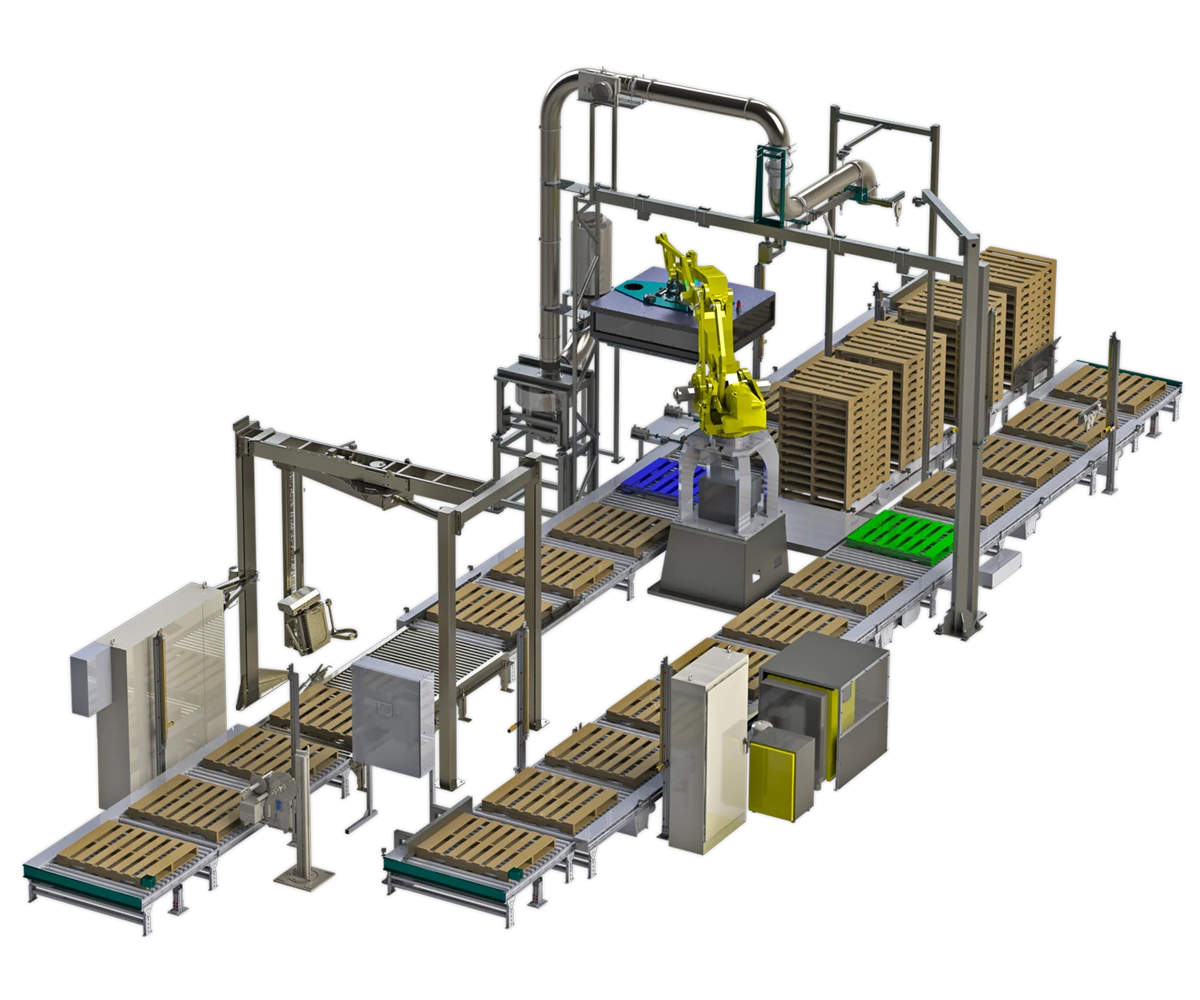
- Material lifting or pallet handling
- High-speed packaging and stacking tasks
These risk factors contribute not only to worker injury, but also to increased variability in process quality and throughput.
Automation as a Safety Strategy
Automating physically demanding, repetitive, or high-risk tasks helps protect workers and reduce the likelihood of injury. The right automation approach reduces risk without removing skilled workers from the value stream — instead, it reallocates talent to higher-value activities like process oversight, quality assurance, and continuous improvement.
Here’s how automation helps lower injury risk:
-
Eliminate Repetitive Strain
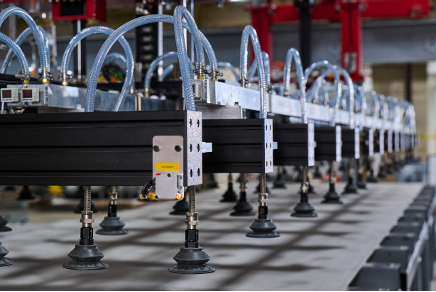
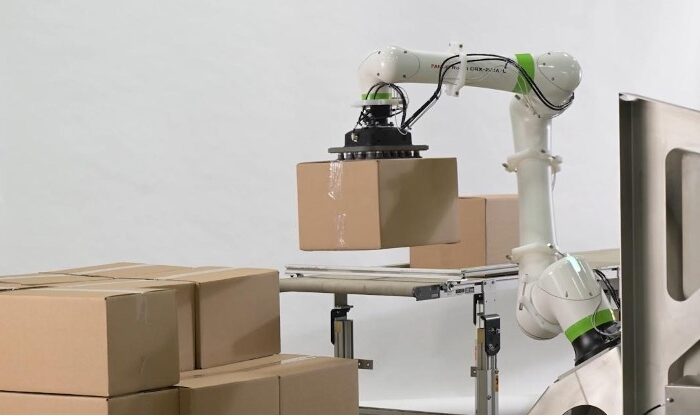
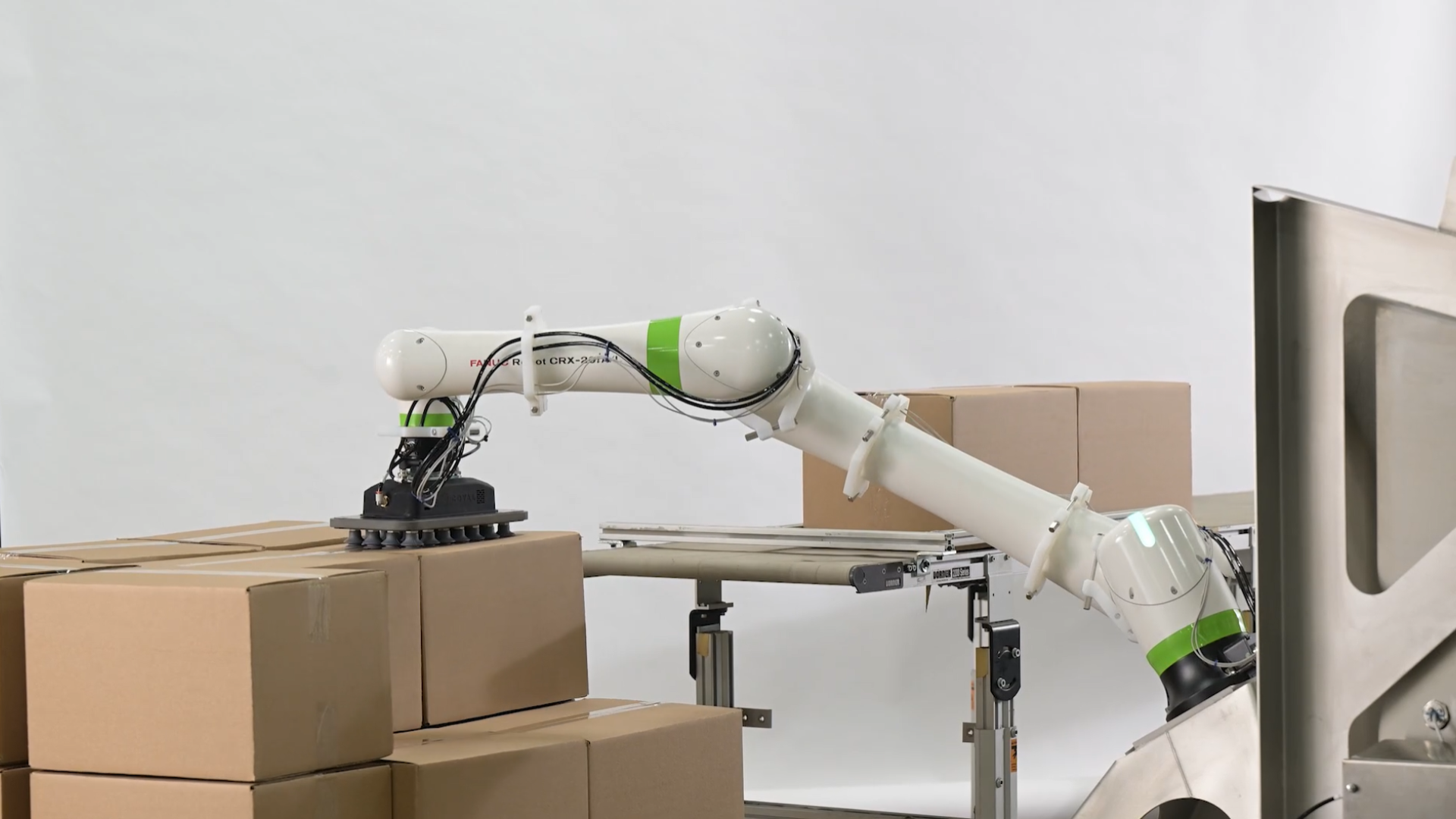
Robotic material handling systems can lift, move, stack, and organize parts — eliminating repetitive motion injuries associated with manual labor.
-
Remove Workers from Hazardous Zones
In processes involving heat, heavy tools, or airborne particulates (such as welding or cutting), automated systems act as a buffer between human operators and hazardous conditions.
-
Improve Ergonomics
Automation can be designed around human interaction zones to minimize bending, twisting, and reach-heavy motions that cause musculoskeletal disorders.
-
Consistent, Repeatable Processes
Robots execute precise, repeatable motion, reducing variability that can lead humans to adjust posture or exert force unpredictably — a common source of ergonomic injury.
The ROI of Safety-Driven Automation
While automation requires upfront investment, the cumulative financial benefits extend well beyond safety:
- Lower long-term labor costs
- Reduced insurance and workers’ compensation premiums
- Improved production throughput
- Fewer quality defects and rework
- Higher employee morale and retention
A safer workplace isn’t just compliant — it’s productive and sustainable.
How MWES Helps Manufacturers Reduce Injury and Cost
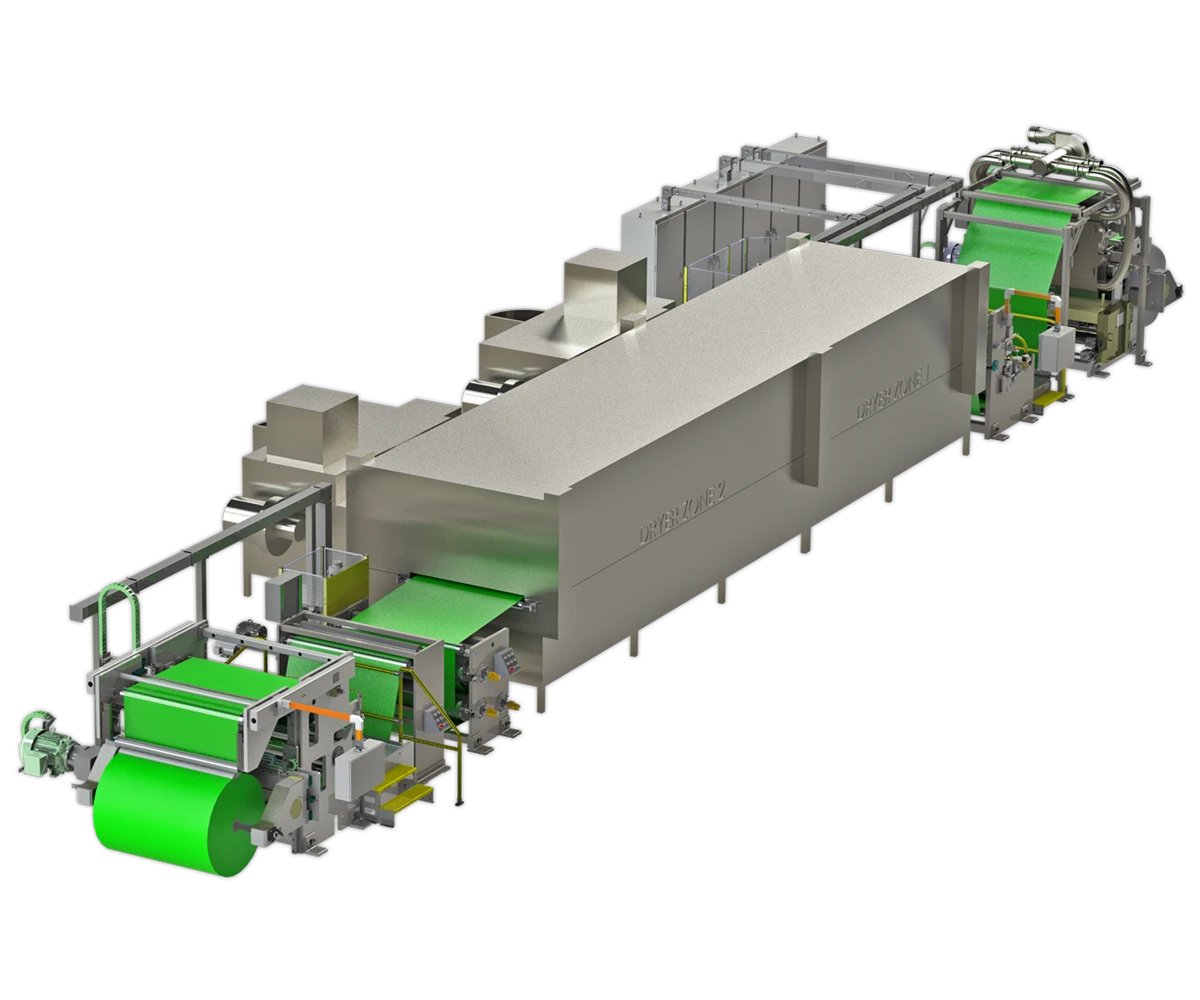
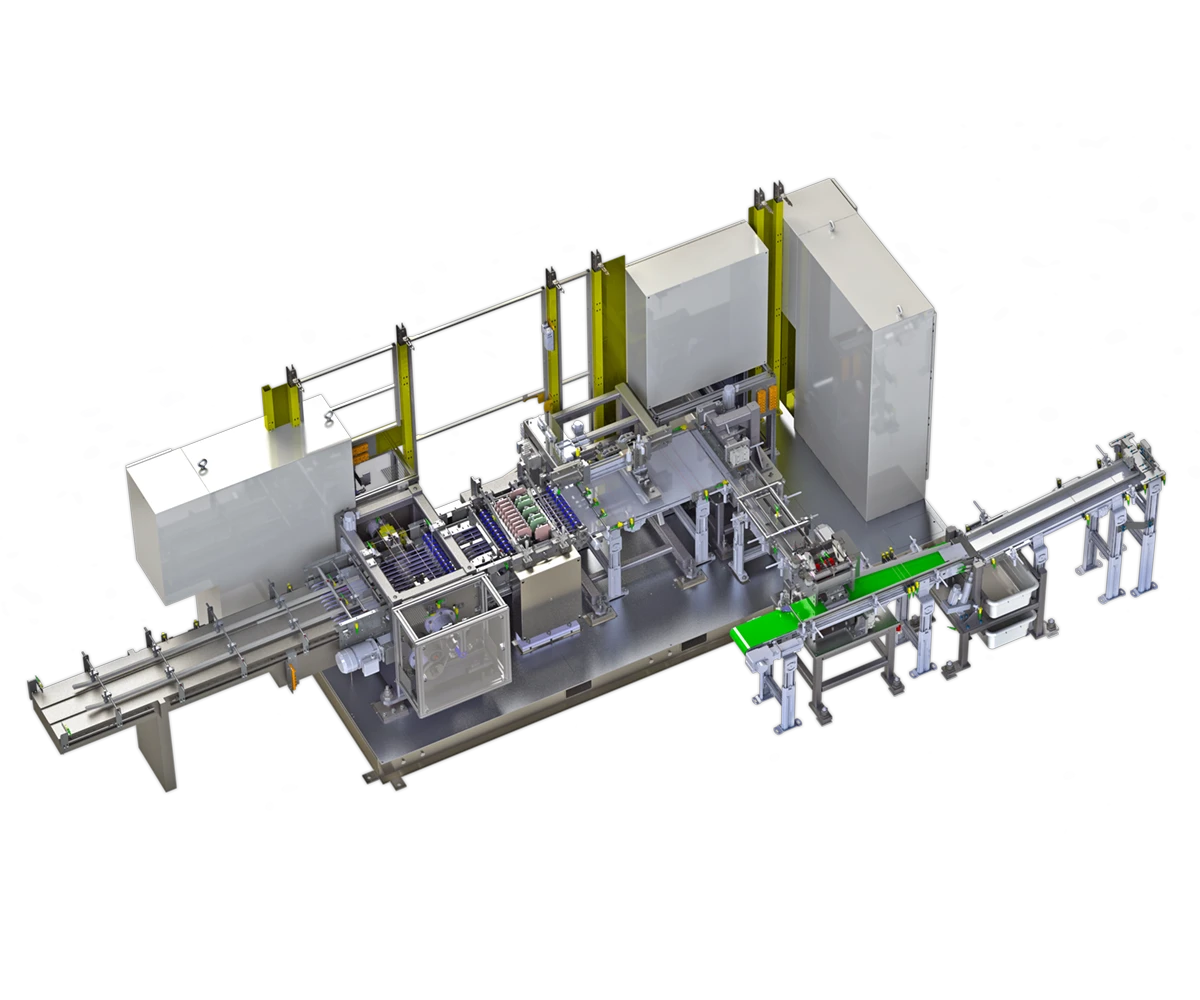
Midwest Engineered Systems partners with manufacturers to design and integrate automation solutions that balance safety, efficiency, and performance. MWES systems address specific injury risk areas by:
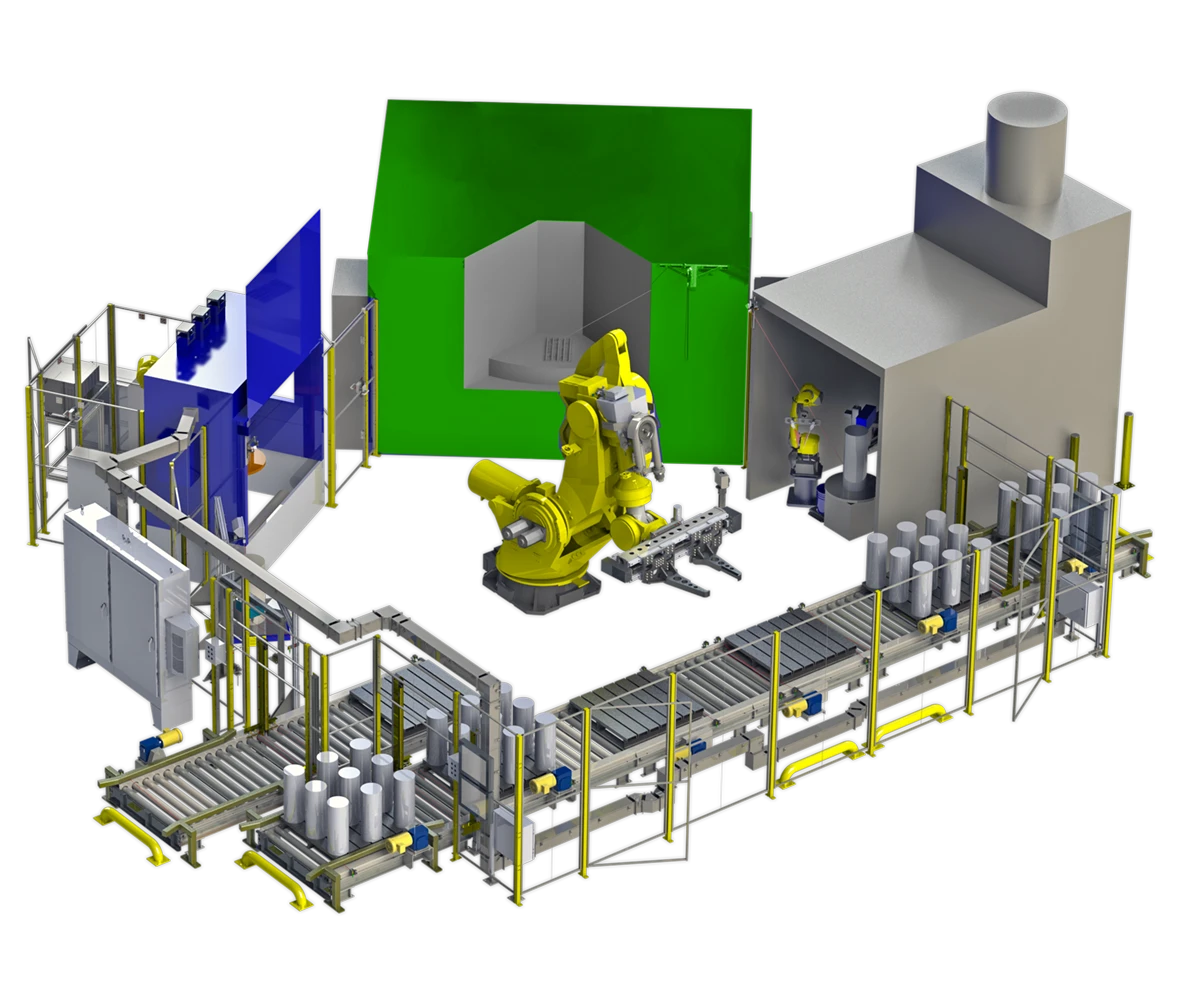
- Automating material handling and palletizing
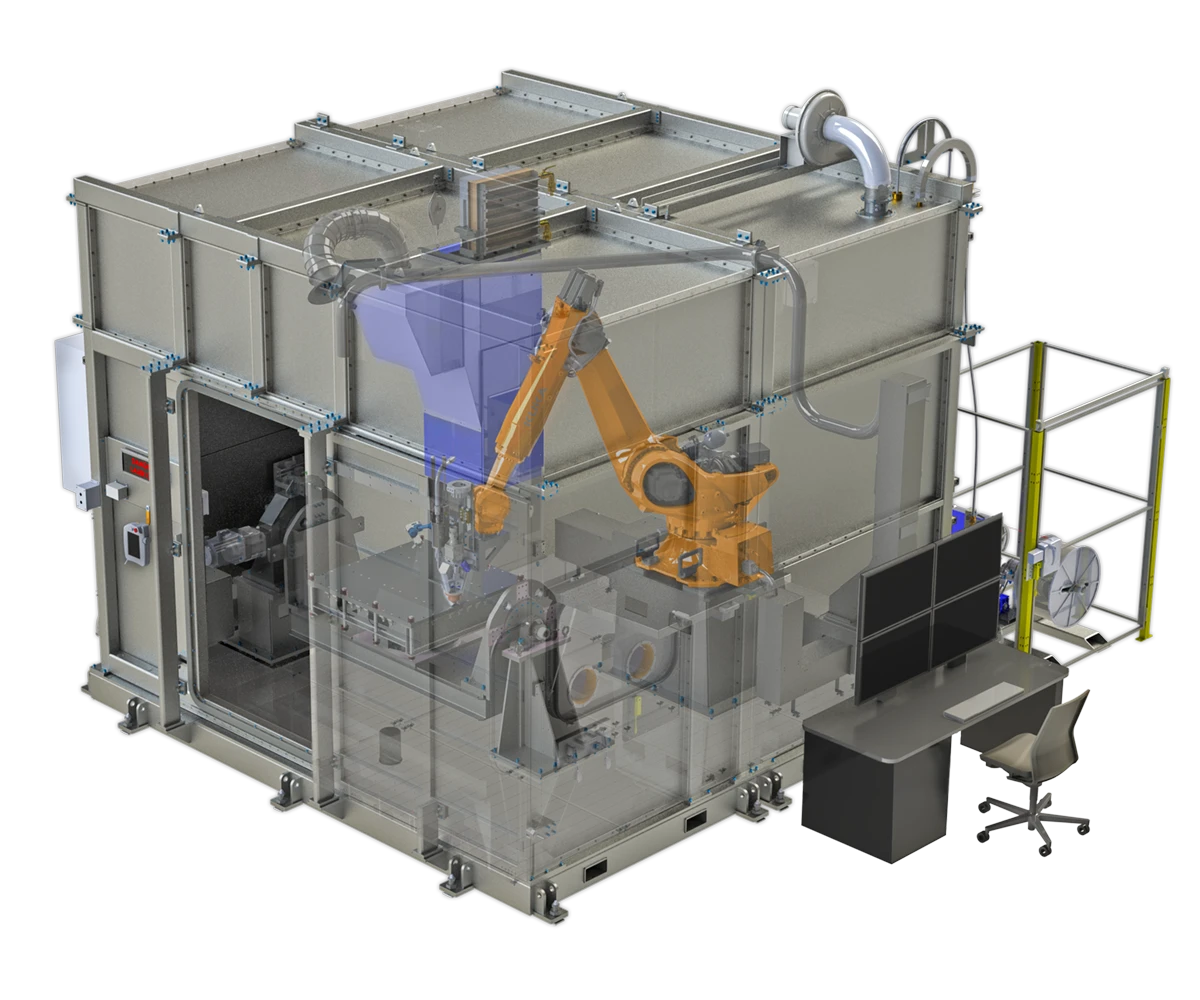
- Integrating robotic welding and precision fabrication
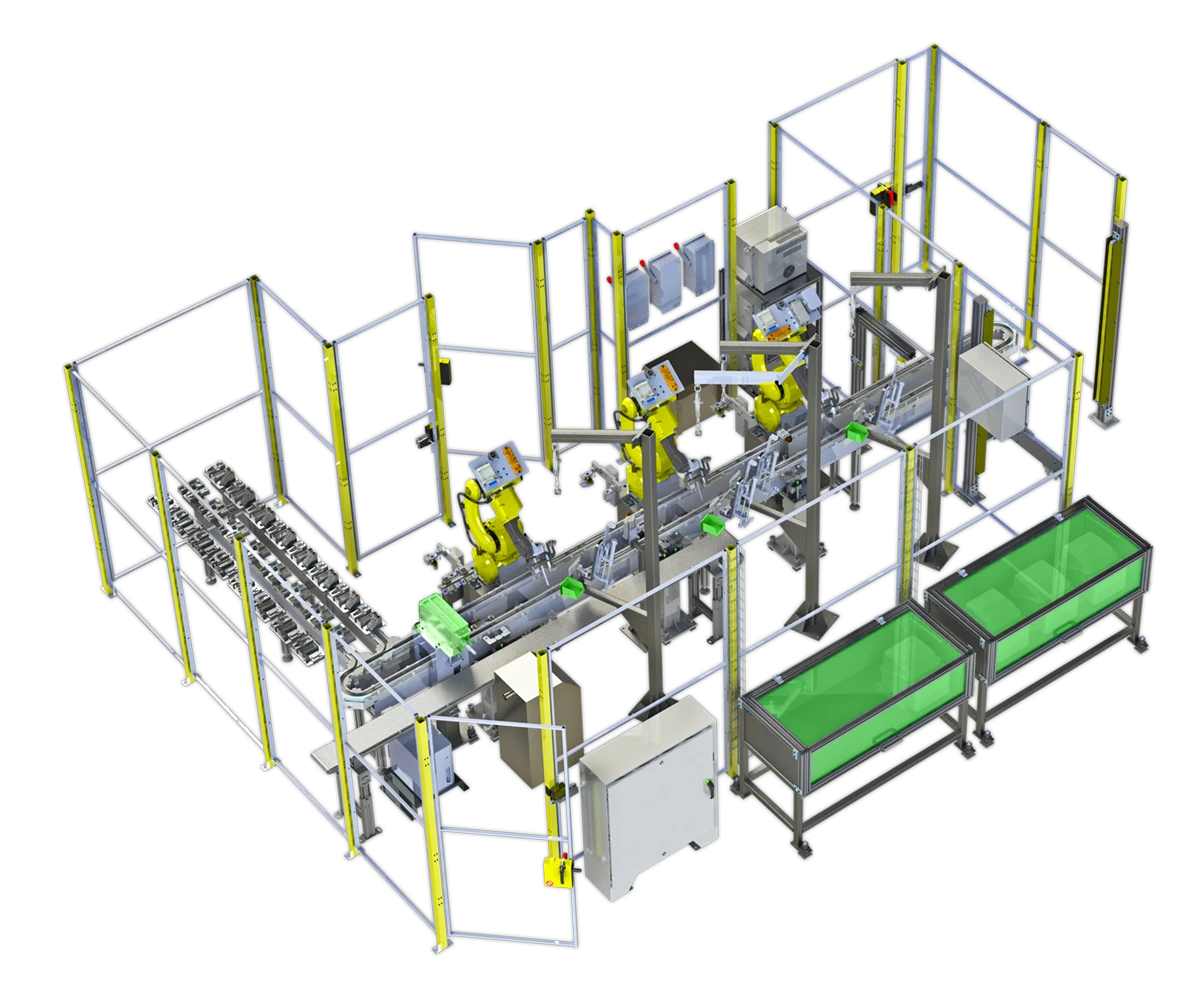
- Supporting ergonomic assembly automation
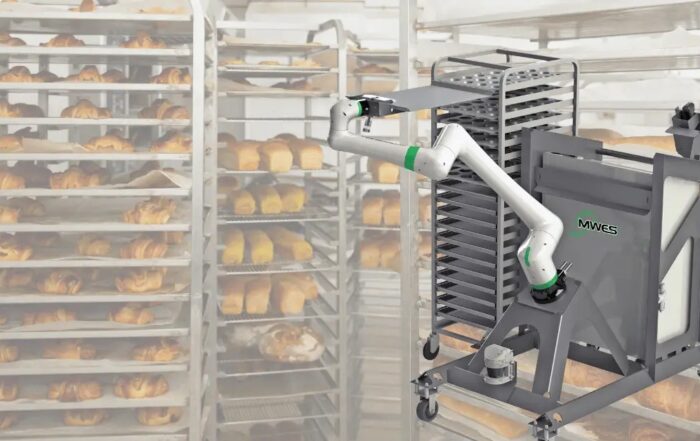
- Reducing manual repetitive tasks through flexible robot cells
- Designing safety-forward automation with guard systems, sensors, and human-machine interaction controls
MWES works collaboratively with customers to understand their safety goals, operational constraints, and long-term vision — delivering custom automation solutions that protect workers and strengthen the bottom line.
Turning Safety into Competitive Advantage
Reducing workplace injury isn’t just a compliance measure — it’s a strategic advantage. When manufacturers adopt automation to prevent injury, they:
- Lower operational risk
- Improve employee satisfaction and retention
- Gain efficiency and throughput
- Strengthen overall business resilience
The true cost of workplace injuries extends far beyond the initial claim. By embracing thoughtful automation, manufacturers can foster safer environments and more sustainable operations.
Explore MWES safety-focused automation solutions that protect your workforce and power smarter manufacturing.