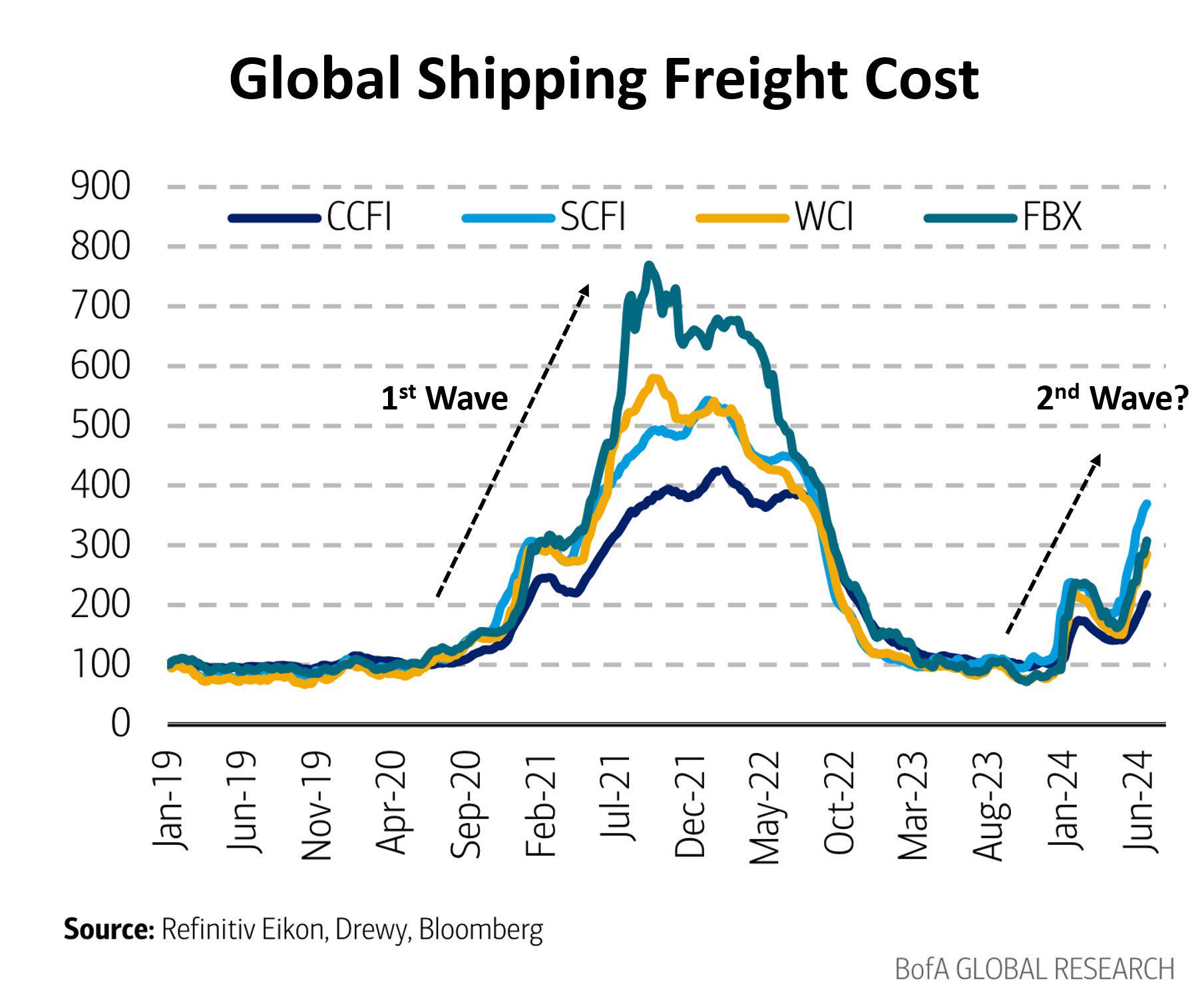
Rising costs are creating significant pressure on manufacturers. From labor shortages to increasing raw material prices, the second wave of inflation is affecting production efficiency, margins, and competitiveness. Robotic automation offers a powerful solution, helping manufacturers control costs, increase productivity, and maintain high-quality output in the face of economic uncertainty.
The Challenges of Inflation for Manufacturers
Manufacturers today face multiple pressures that directly impact profitability:
- Rising Labor Costs: Wage increases due to skilled labor shortages
- Material Price Volatility: Raw materials like steel, aluminum, and plastics are increasingly expensive
- Operational Inefficiencies: Manual processes slow production and reduce output
- Competitive Pressure: Companies unable to optimize operations risk losing market share
These factors make strategic automation investments more critical than ever.
How Robotic Automation Helps Combat Inflation
- Reduce Labor Dependency
By automating repetitive or high-demand tasks, manufacturers can reduce reliance on expensive labor, helping mitigate the impact of wage inflation.
- Increase Throughput and Efficiency
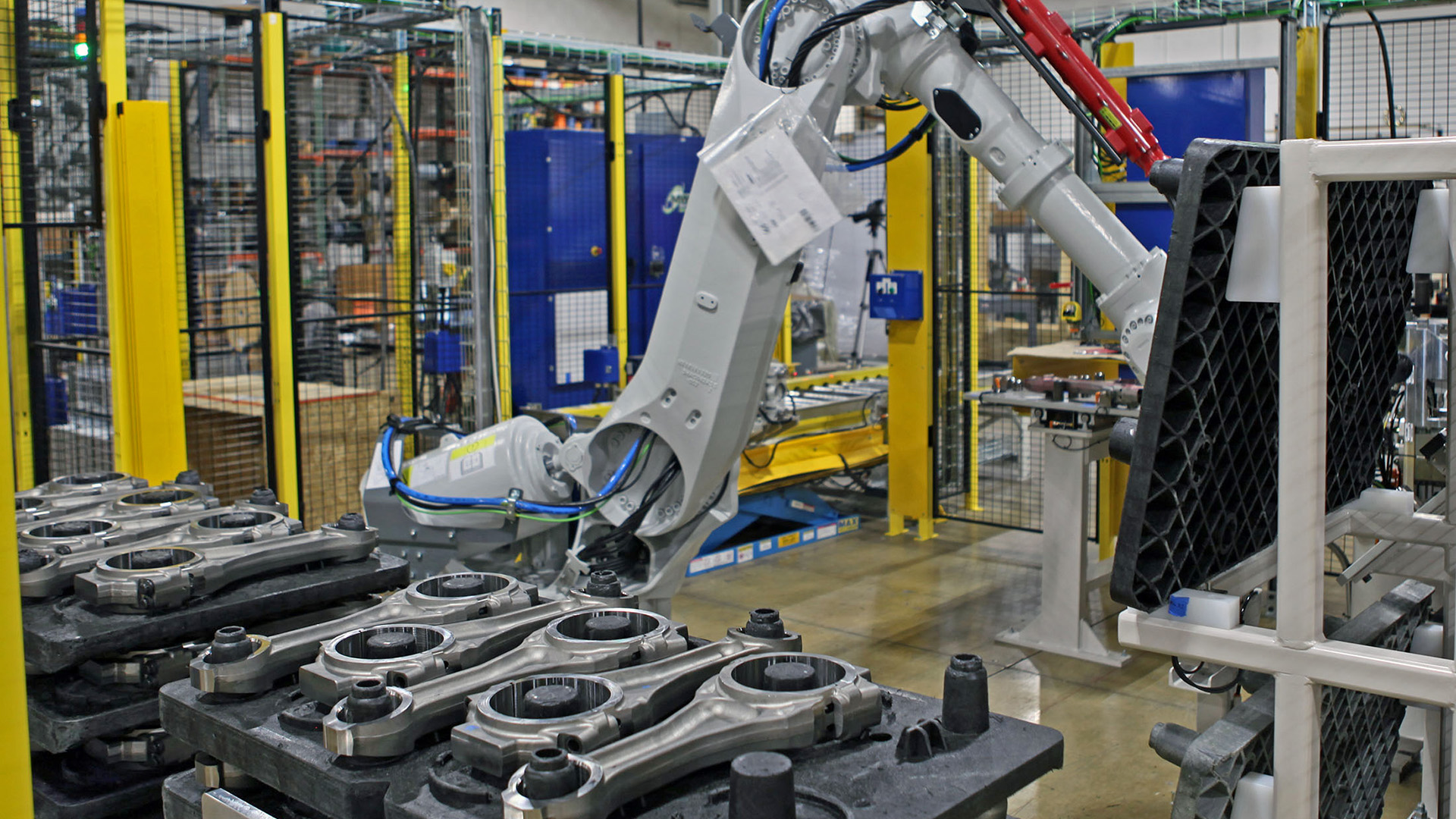
Robotic systems operate consistently and continuously, producing more units per shift while minimizing downtime, which lowers per-unit costs and improves margins.
- Improve Quality and Reduce Scrap
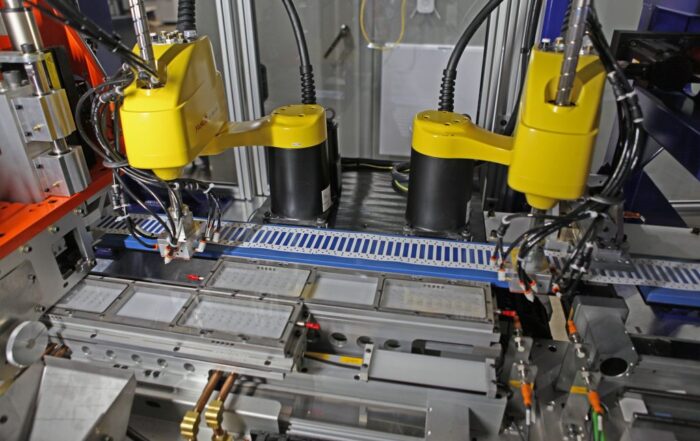
Automated systems deliver precision and repeatability, reducing defects and minimizing material waste—an important factor as raw material costs rise.
- Flexible Production Capabilities
Modern robotic solutions adapt to multiple processes or product types, allowing manufacturers to pivot quickly in response to changing market demands or material costs.
- Long-Term Cost Savings and ROI
Though automation requires upfront investment, the long-term benefits—including reduced labor, higher output, and lower scrap rates—help protect against inflationary pressures and strengthen competitiveness.
Industries Benefiting from Robotic Automation
Robotic automation is valuable across a range of manufacturing sectors, including:
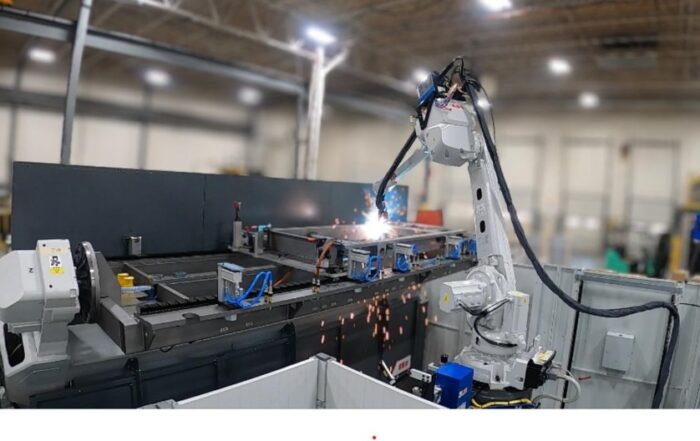
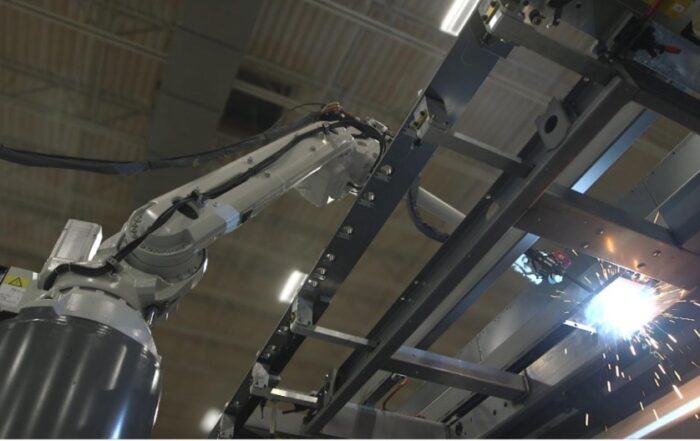
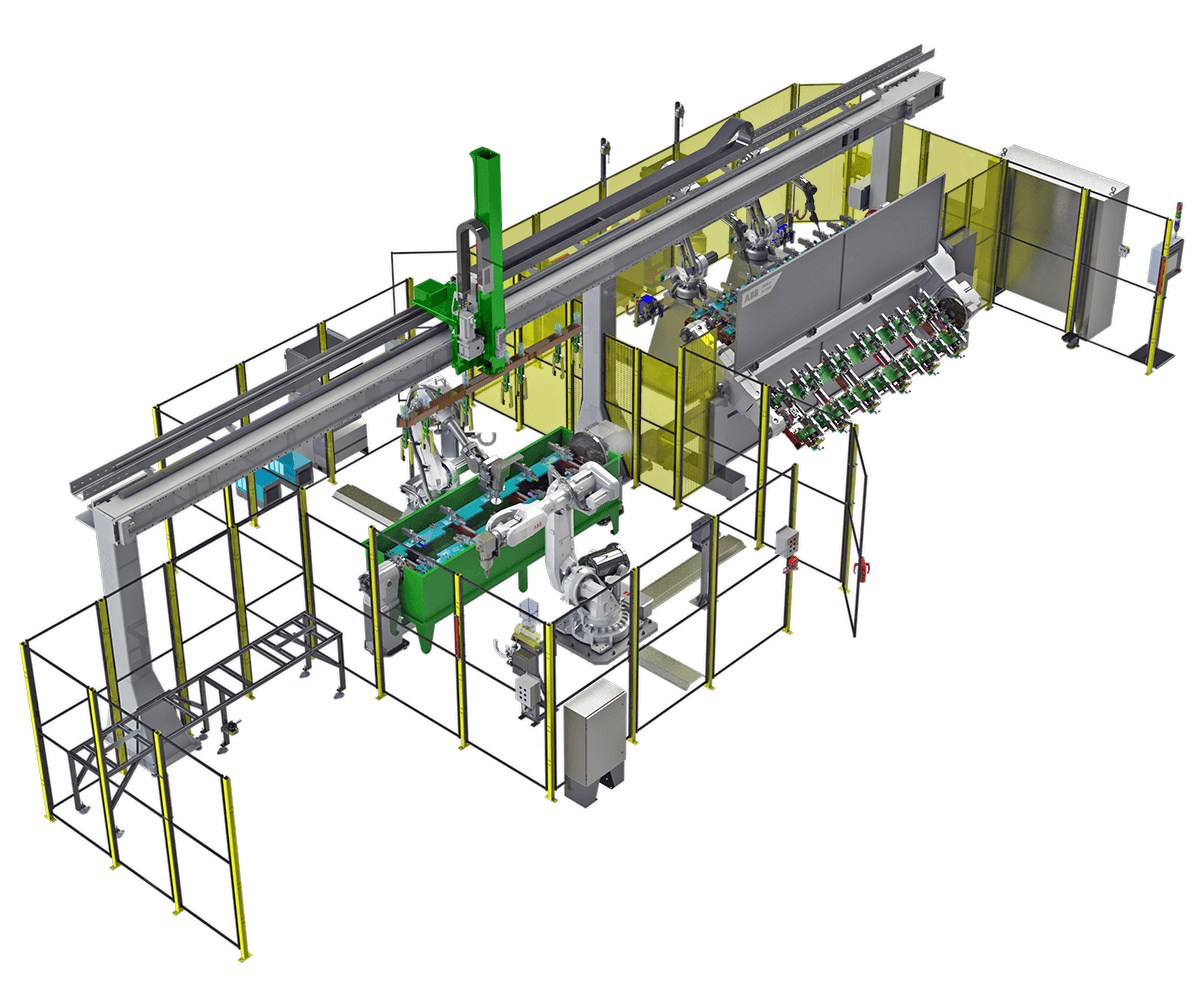
- Automotive: Assembly lines, welding, and material handling
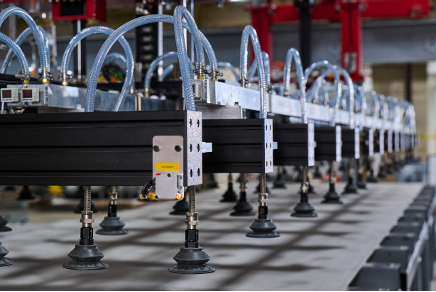
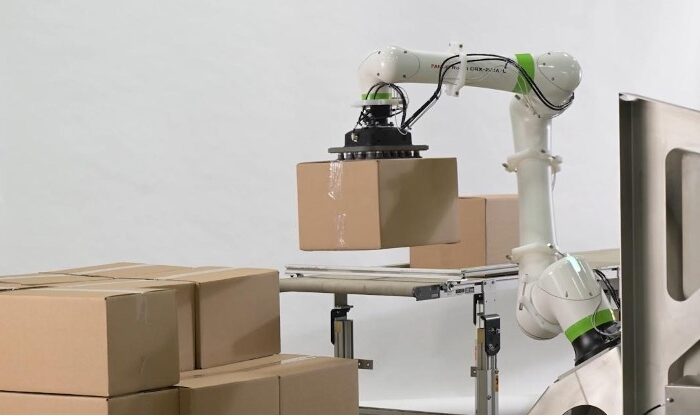
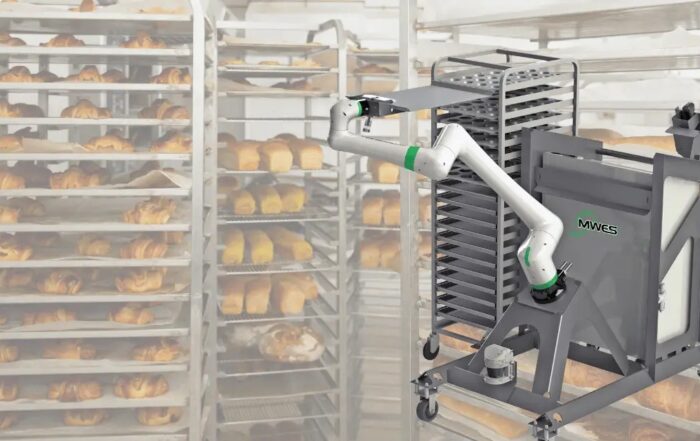
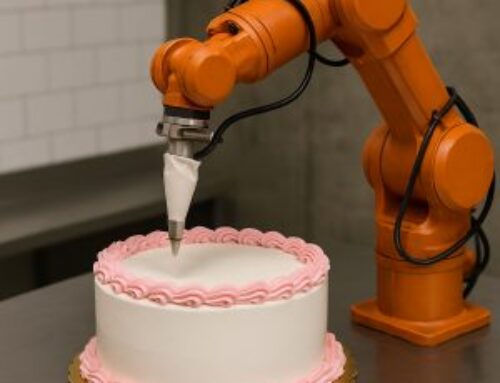
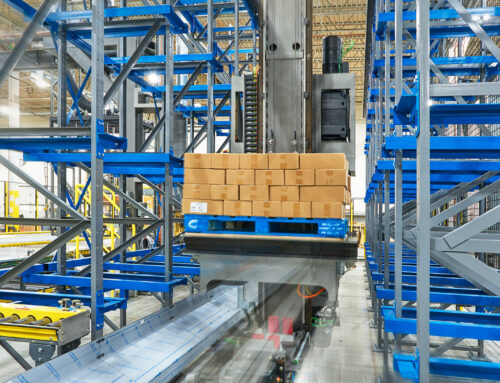
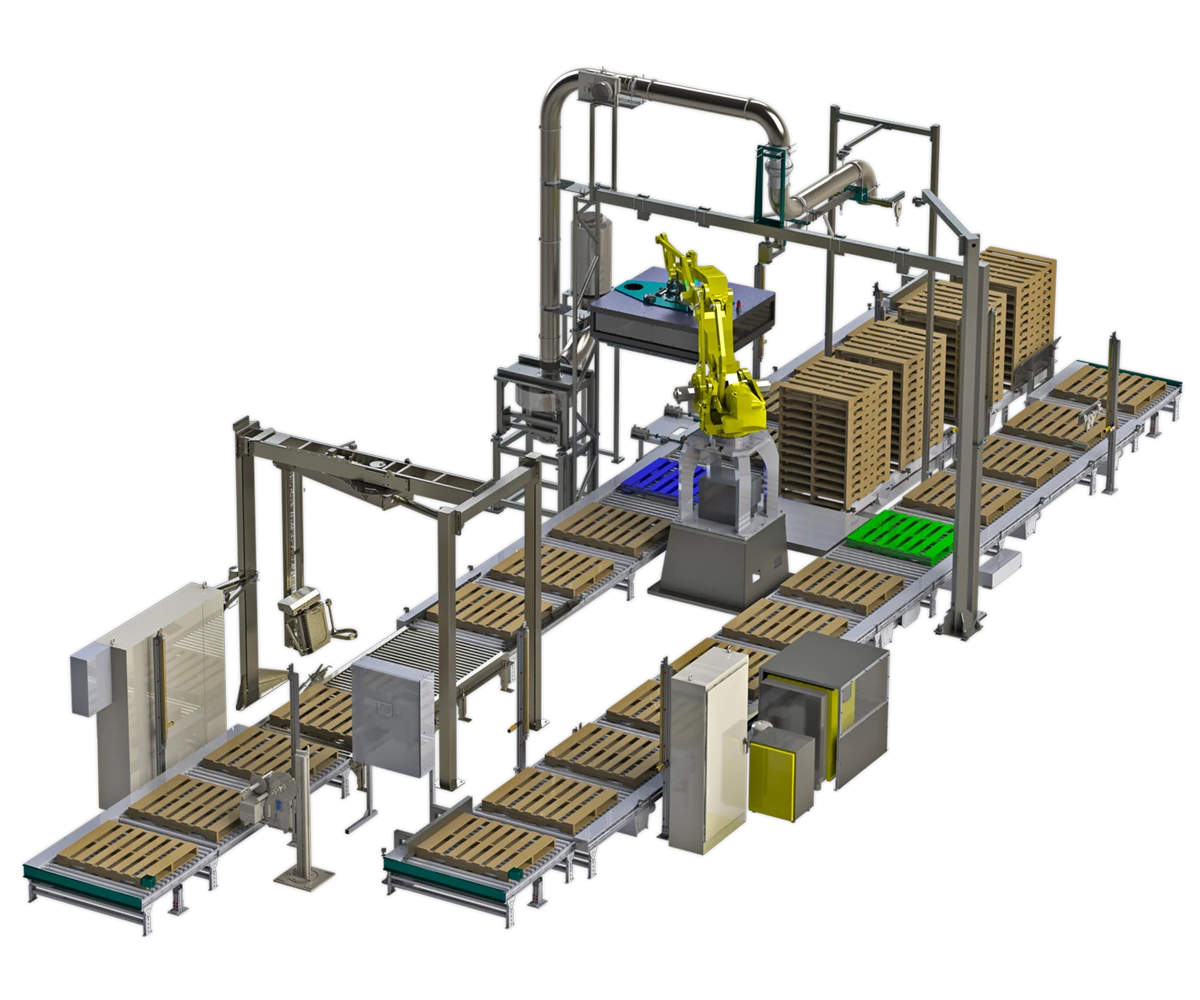
- Food & Beverage: Packaging, palletizing, and sorting
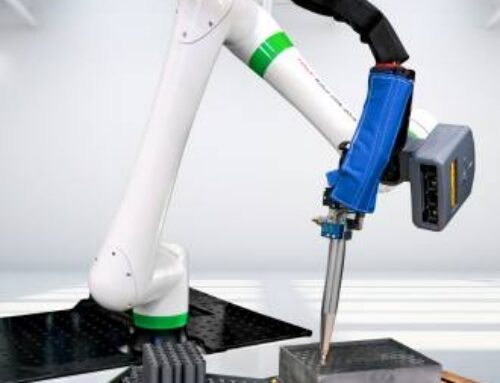
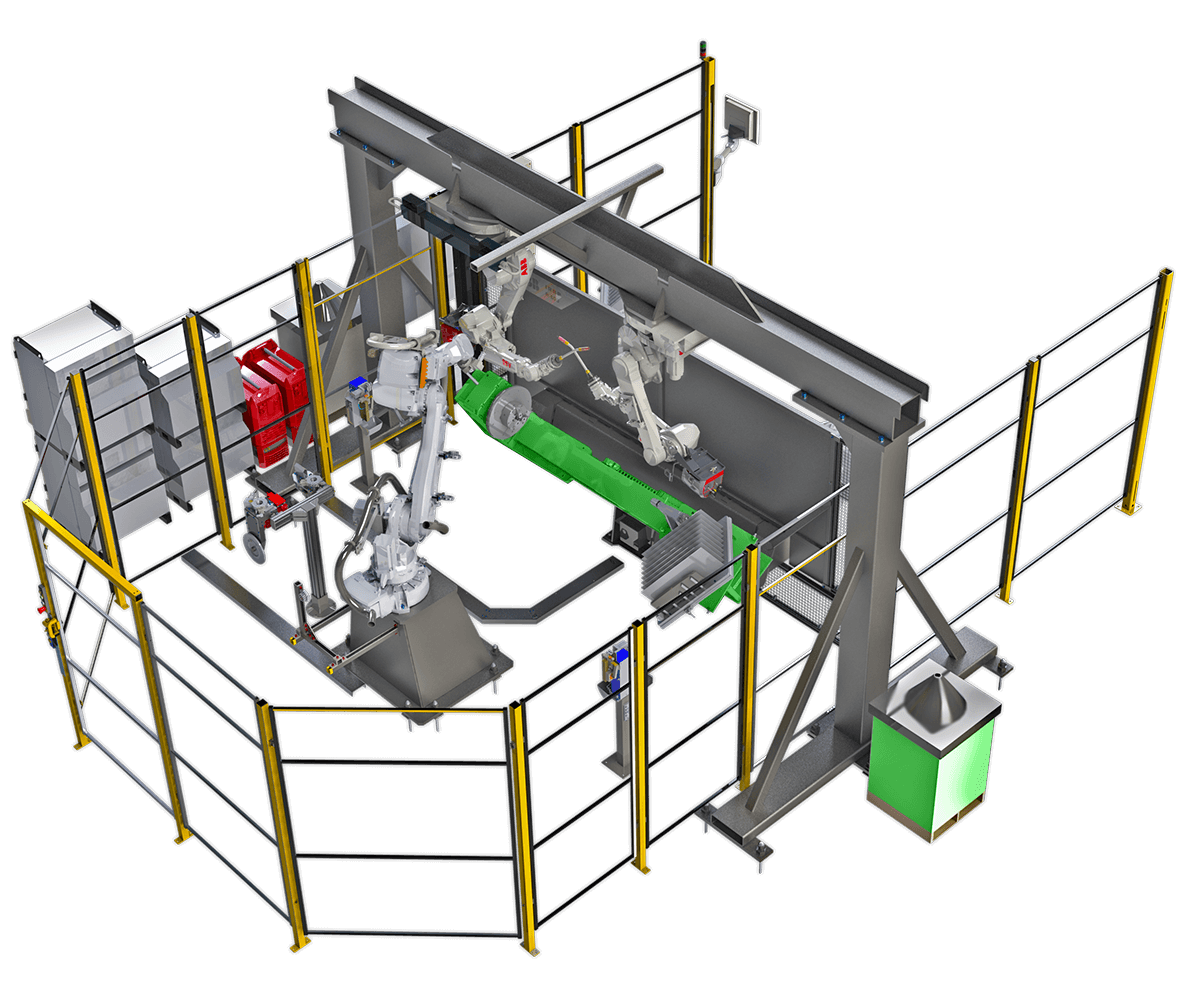
- Aerospace & Defense: Precision machining, welding, and inspection
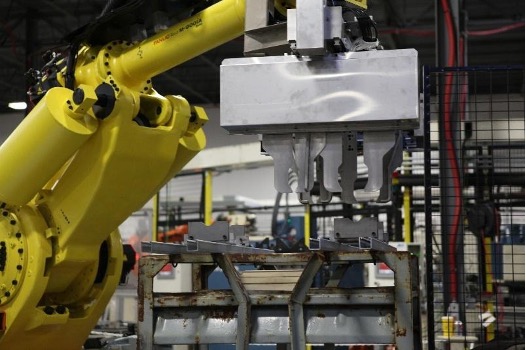
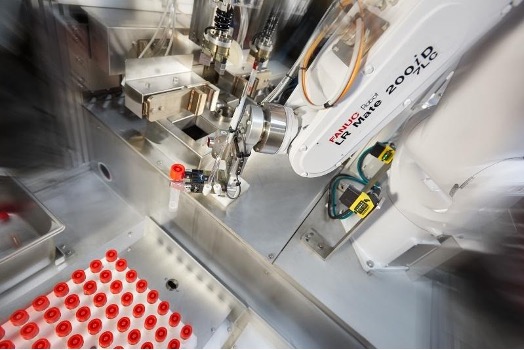
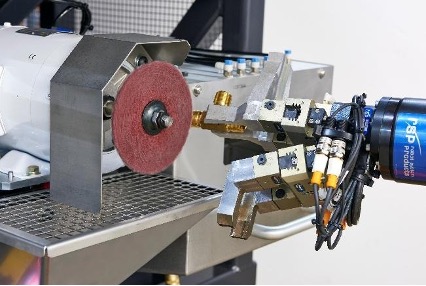
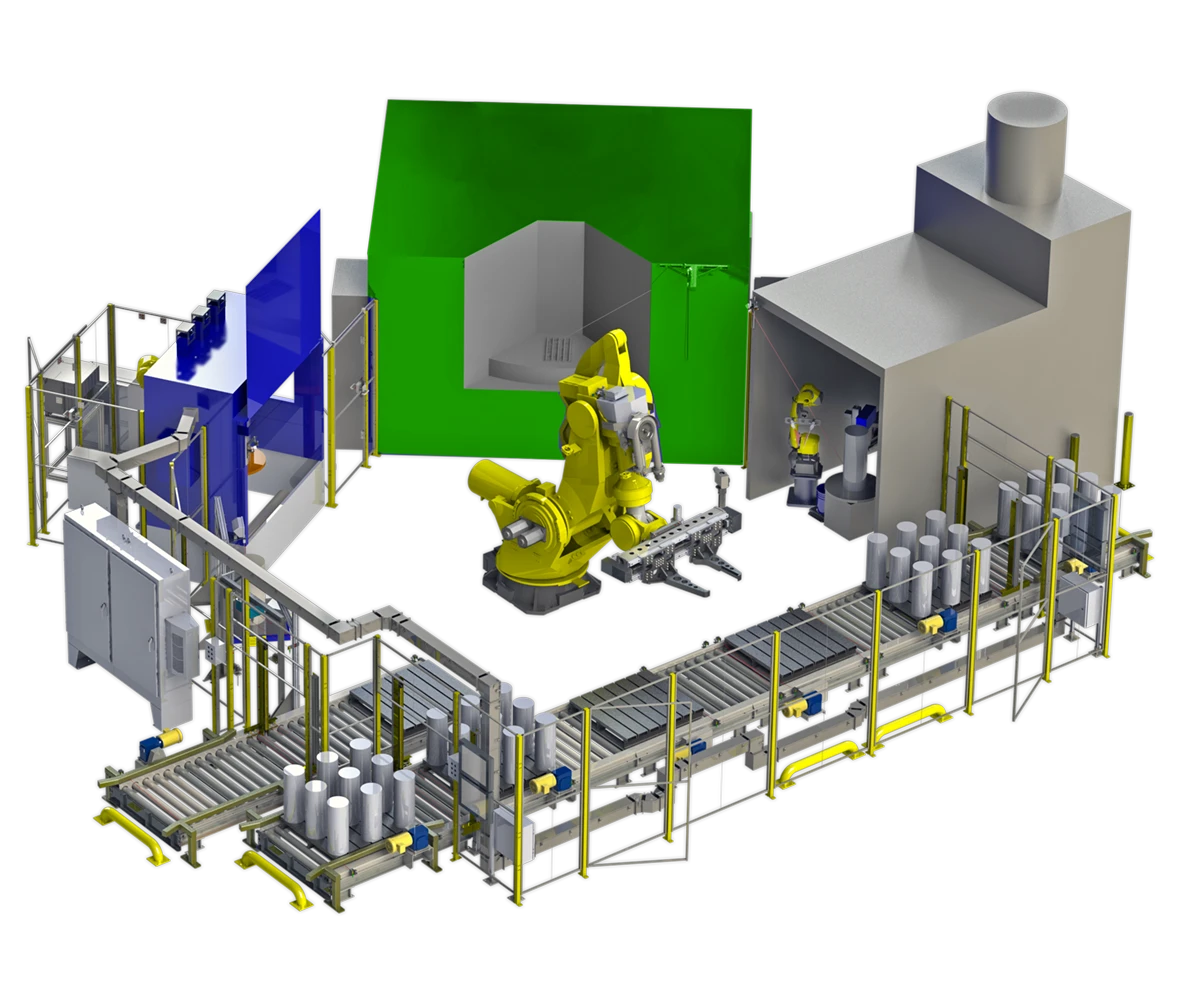
- Industrial Equipment: Fabrication, material removal, and kitting
How MWES Can Help
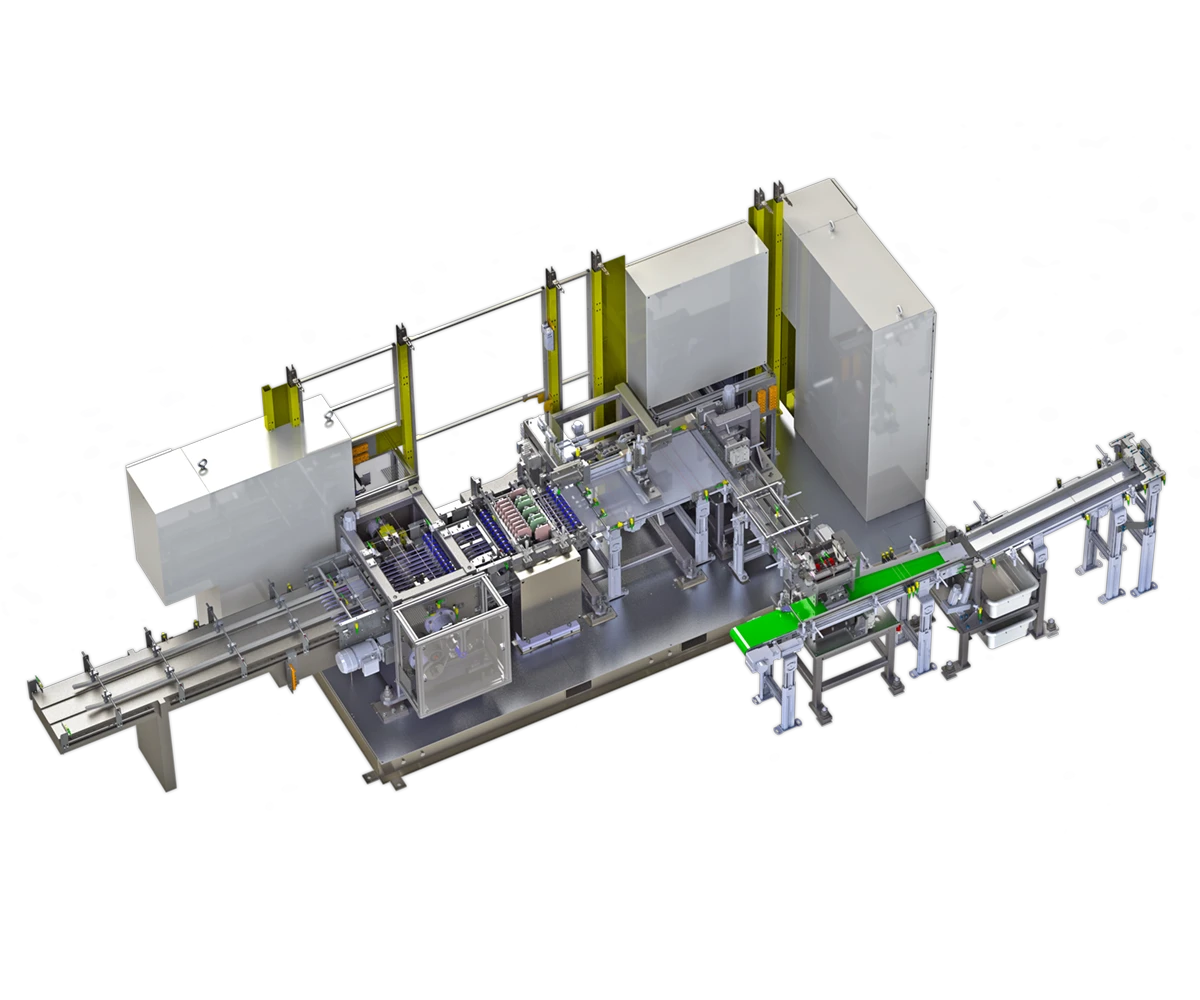
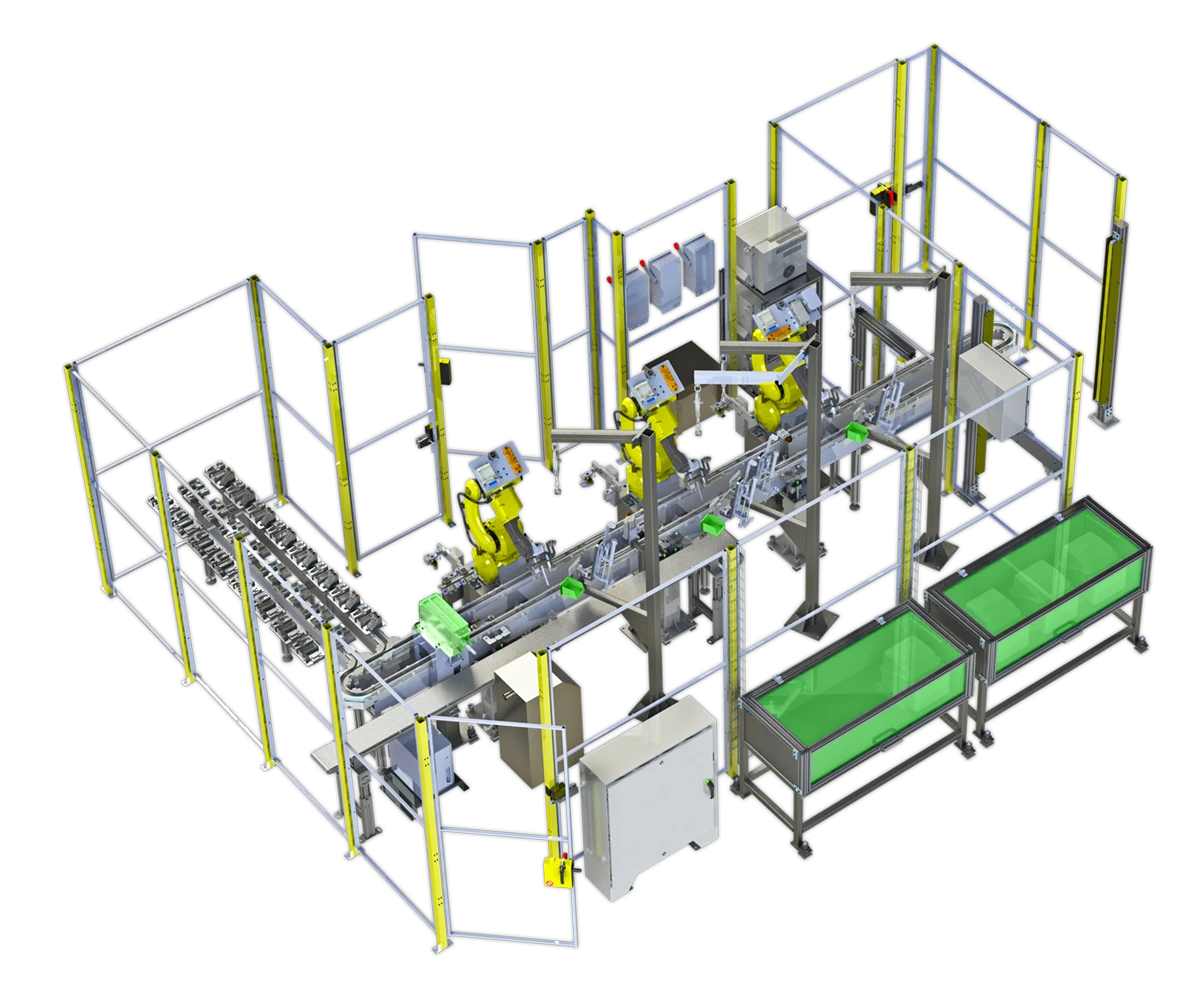
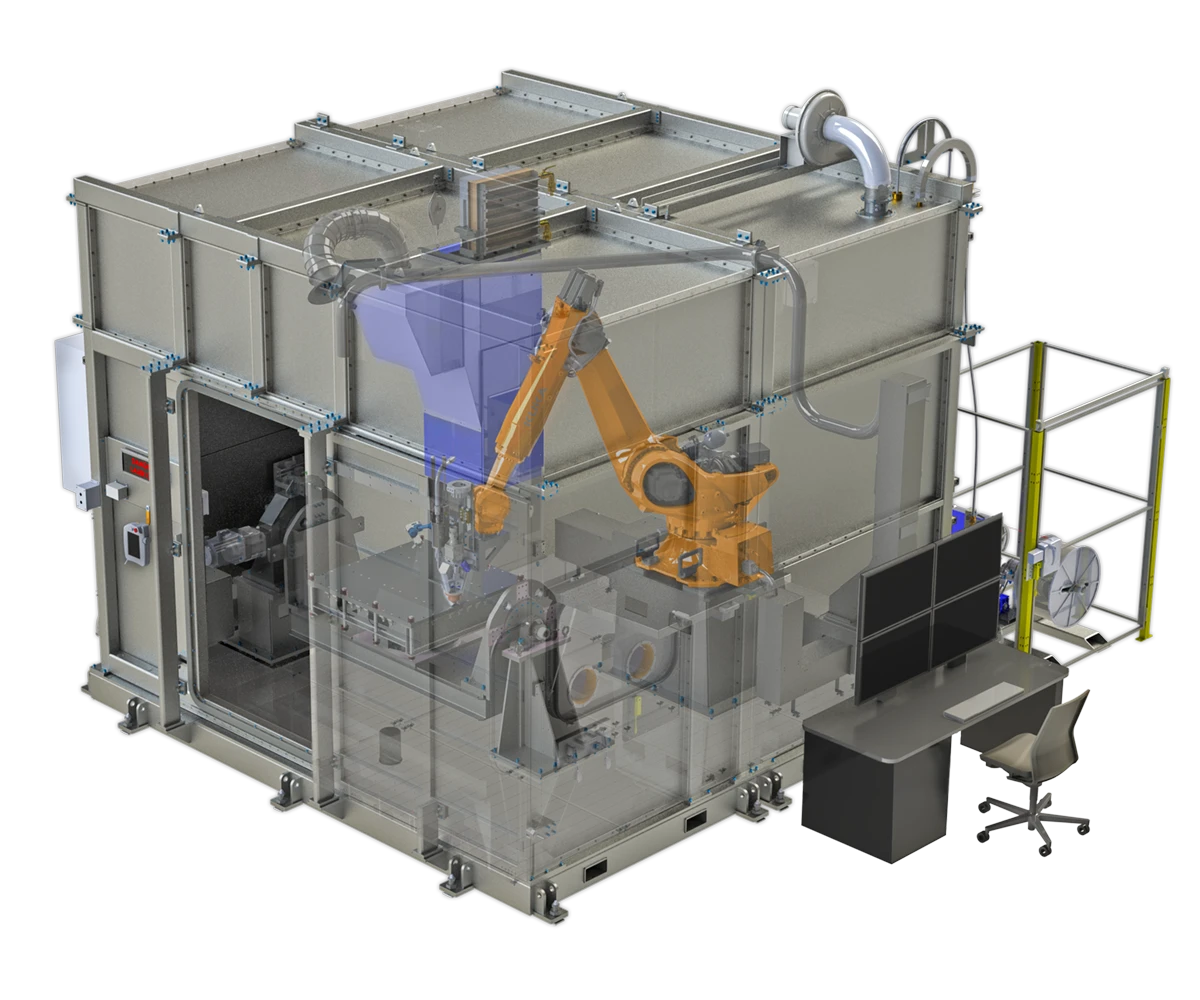
Midwest Engineered Systems (MWES) provides custom robotic automation solutions designed to help manufacturers maintain efficiency and profitability in inflationary environments. Our services include:
- Tailored Robotic Systems: Designed for your production needs and volumes
- Integration with Existing Operations: Seamless implementation with minimal disruption
- Operator-Friendly Interfaces: Reduce training time and ensure efficient adoption
- Full-Service Support: Maintenance, optimization, and ongoing assistance
- Cost-Efficiency Focus: Automation that maximizes ROI and production performance
Take Action Today
Combat rising costs and protect your operations with robotic automation.
- ✅ Schedule a Consultation
- ✅ Learn how MWES can help your facility maintain productivity despite inflation
- ✅ Discover cost savings and efficiency gains with custom robotic solutions
Conclusion
The second wave of inflation is a significant challenge for manufacturers, but strategic robotic automation offers a clear path to cost control, improved throughput, and consistent quality. With MWES expertise, you can implement custom automation systems that keep your operations competitive and resilient.