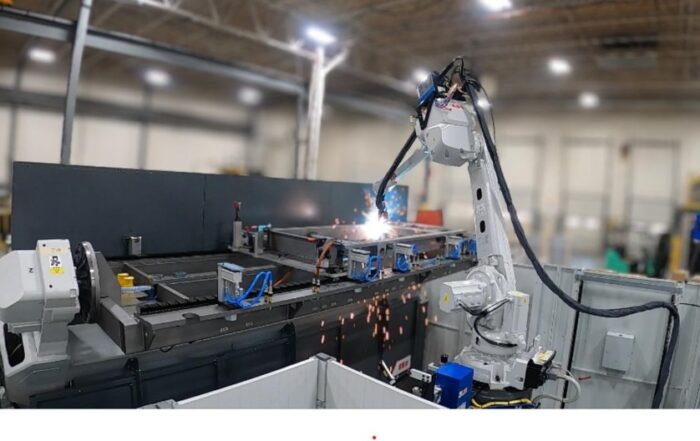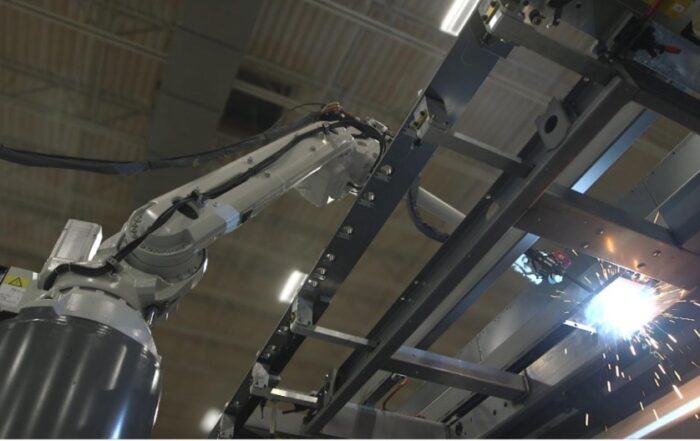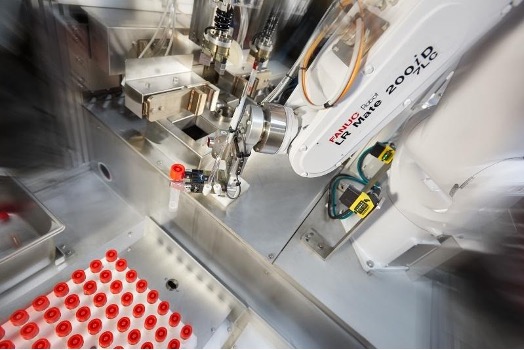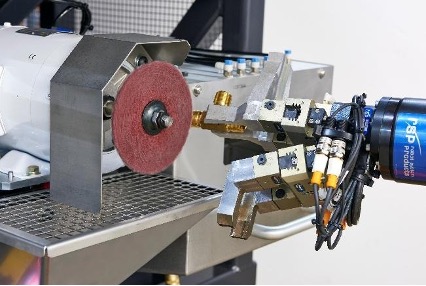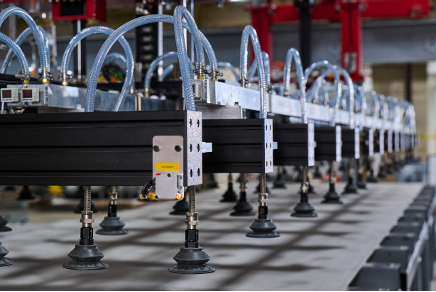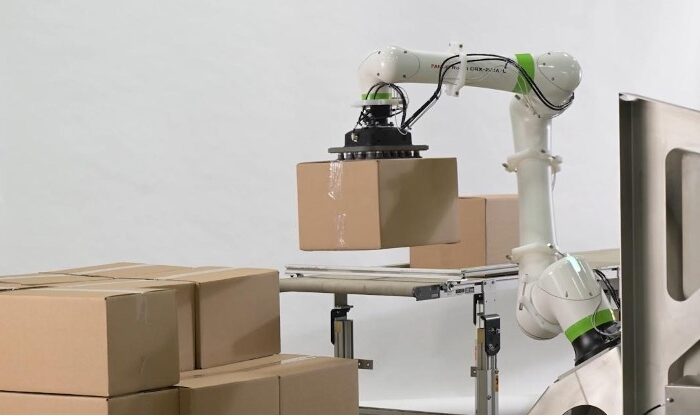
Welding large assemblies presents a unique set of challenges for manufacturers. From complex geometries to tight tolerances and worker safety concerns, manual welding can slow production, increase errors, and strain skilled labor resources. Robotic welding systems are transforming how manufacturers tackle these challenges—delivering precision, speed, and reliability across industries.
The Challenges of Welding Large Assemblies
Manufacturing large components—like chassis, aerospace frames, heavy machinery enclosures, or industrial tanks—requires addressing:
- Complex weld paths: Multiple angles and hard-to-reach points
- Quality consistency: Manual welds can vary between operators
- Labor shortages: Skilled welders are in high demand
- Safety risks: Heat, sparks, fumes, and repetitive motion injuries
- Production bottlenecks: Manual processes slow throughput and increase lead times
These factors make robotic welding solutions a critical investment for manufacturers seeking high-quality, scalable production.
How Robotic Welding Transforms Large-Scale Manufacturing
1. Precision and Consistency
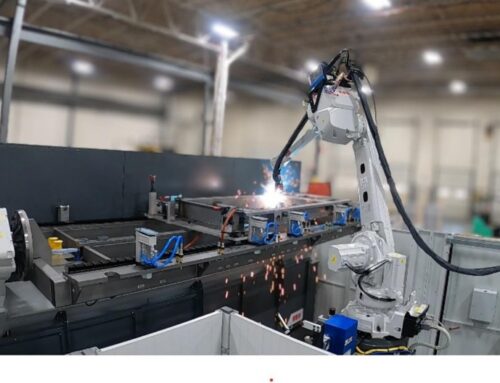
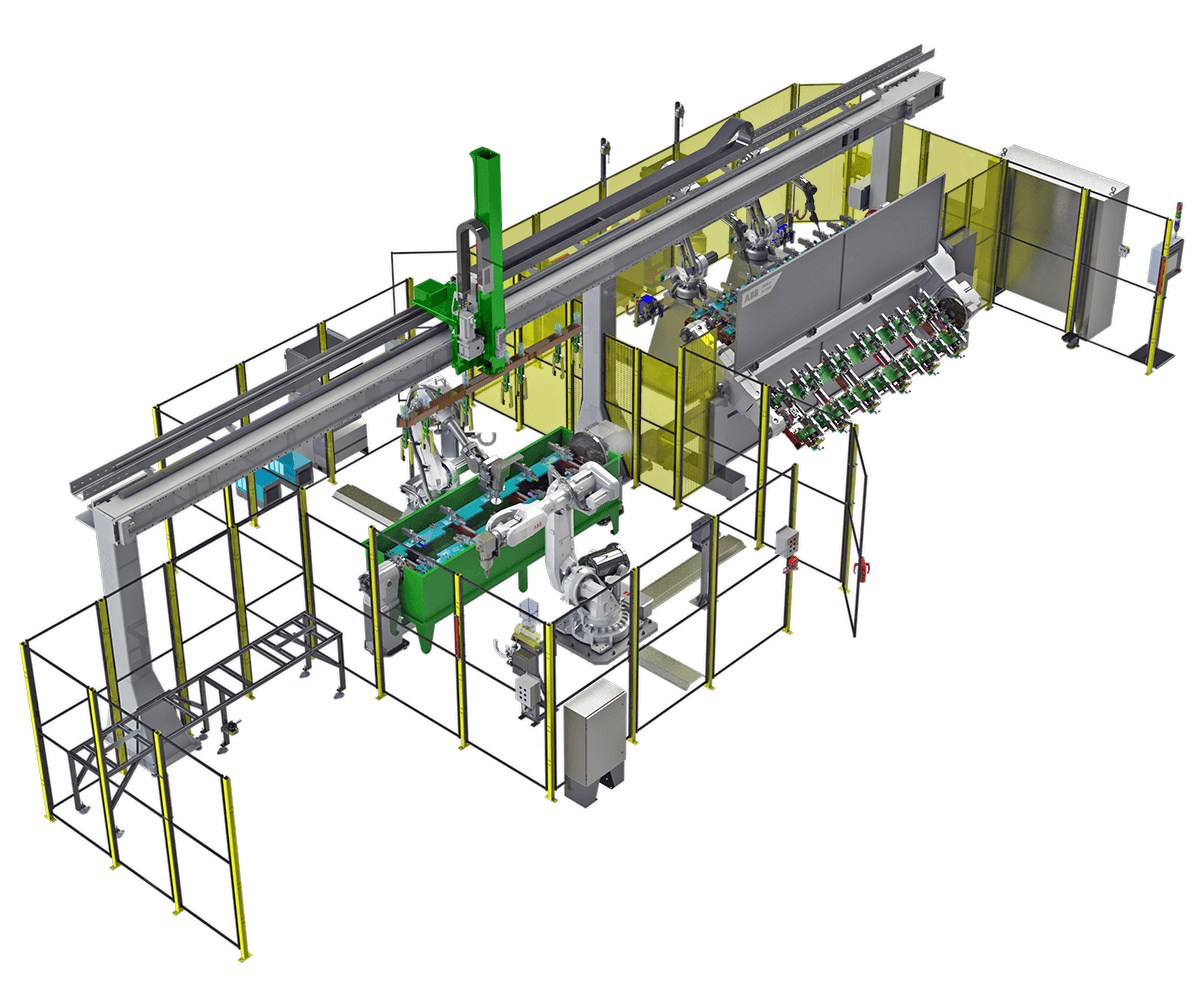
Robotic welding systems are programmed to follow exact weld paths with repeatable accuracy, ensuring structural integrity and reducing scrap.
2. Improved Safety for Operators
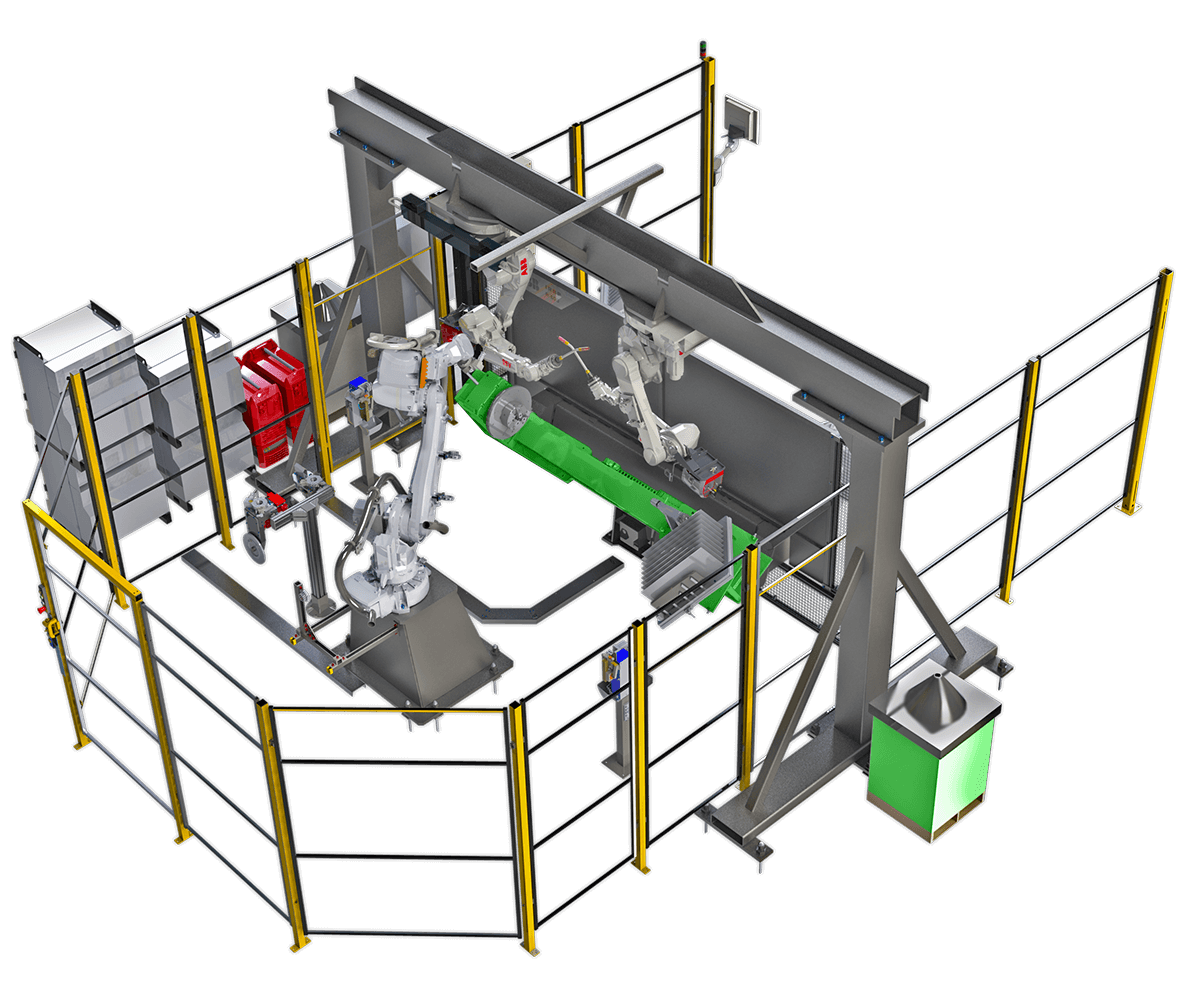
Automation removes operators from direct exposure to heat, sparks, and fumes while reducing repetitive strain injuries. Safety sensors and interlocks further protect staff and equipment.
3. Increased Productivity and Efficiency
Robotic systems operate continuously and handle multi-pass welds, long sequences, and large batch volumes without fatigue, delivering faster throughput and reduced downtime.
4. Flexibility Across Industries
From automotive and aerospace to heavy machinery and energy sectors, modern robotic welding systems adapt to varying assembly sizes, complex geometries, and evolving production needs.
5. Cost Savings and ROI
While initial investment is required, manufacturers see long-term savings from reduced labor, fewer defects, improved throughput, and lower material waste.
Real-World Applications
Robotic welding for large assemblies benefits a wide range of industries:
- Automotive: Chassis, subframes, and body components
- Aerospace & Defense: High-tolerance structural assemblies
- Heavy Machinery: Industrial frames, tanks, and enclosures
- Energy & Power Generation: Turbines, generators, and infrastructure components
How MWES Can Help
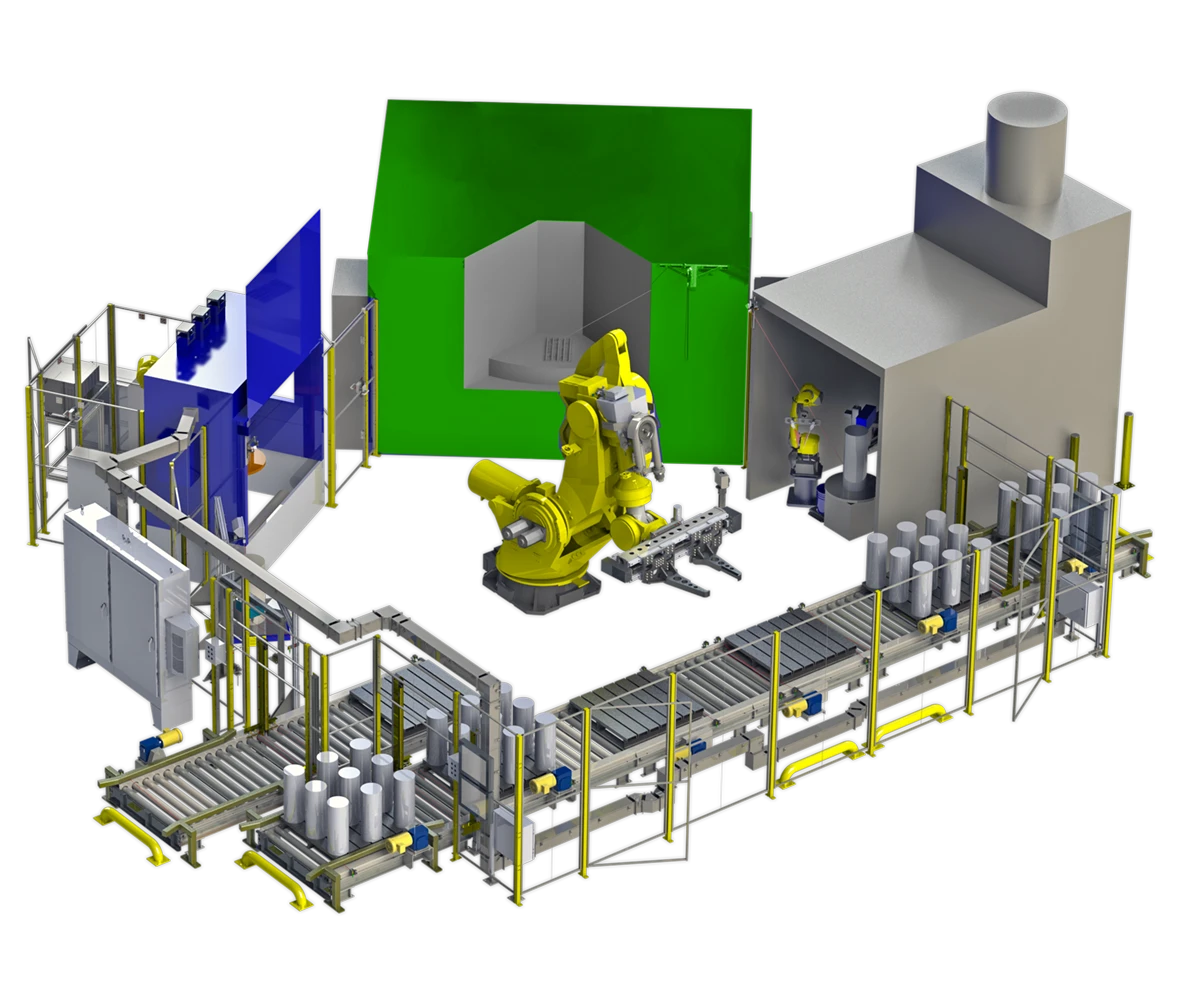
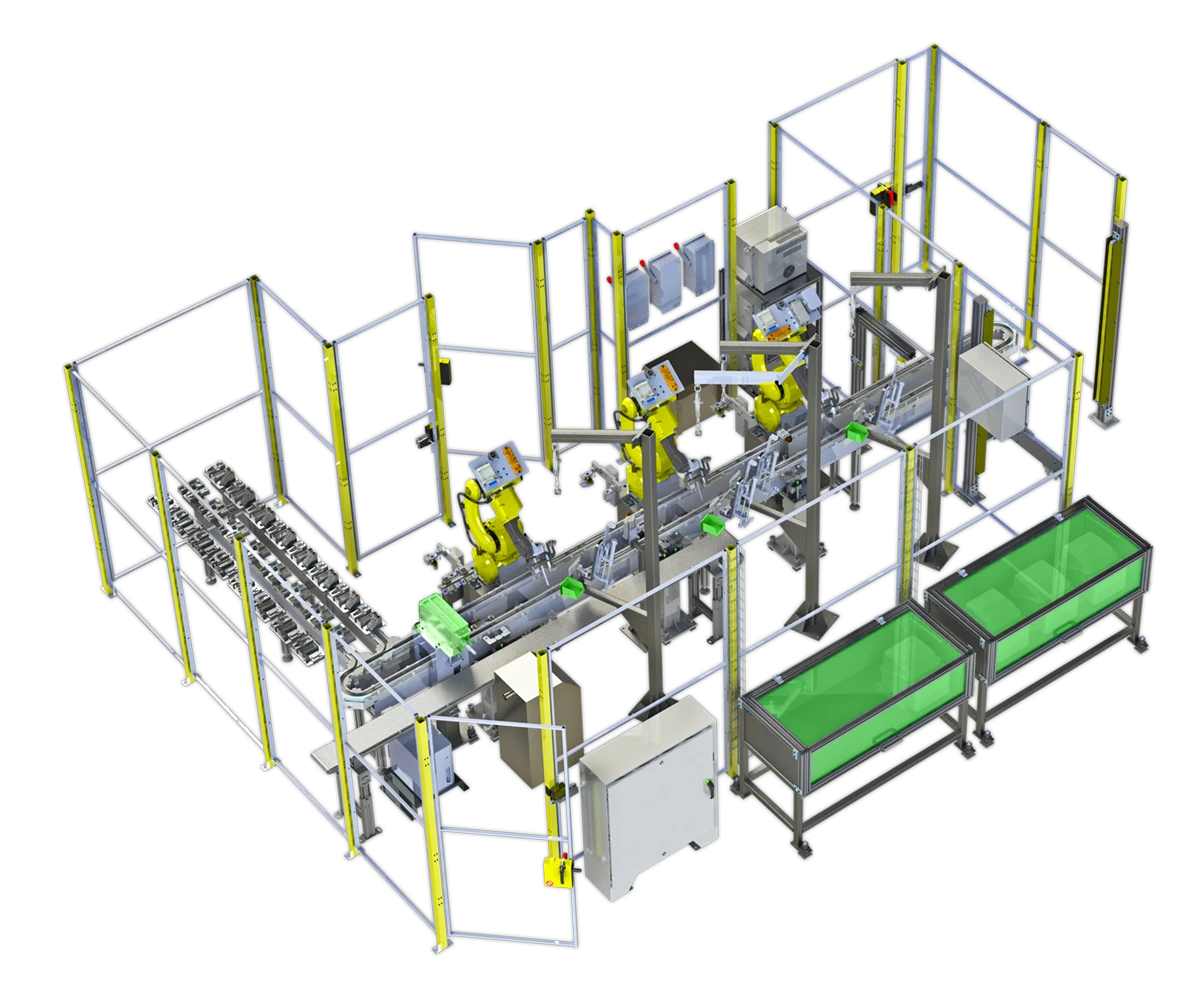
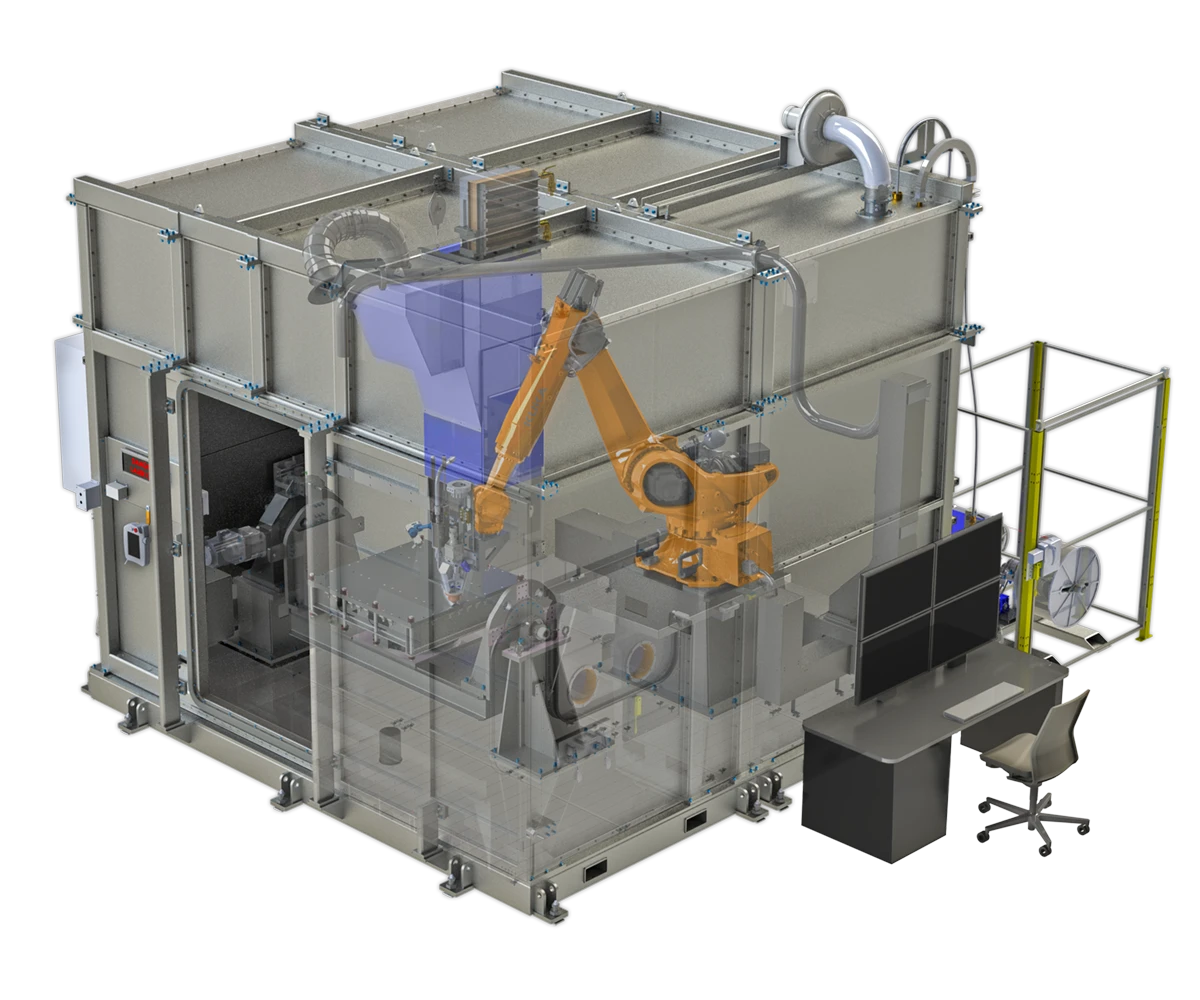
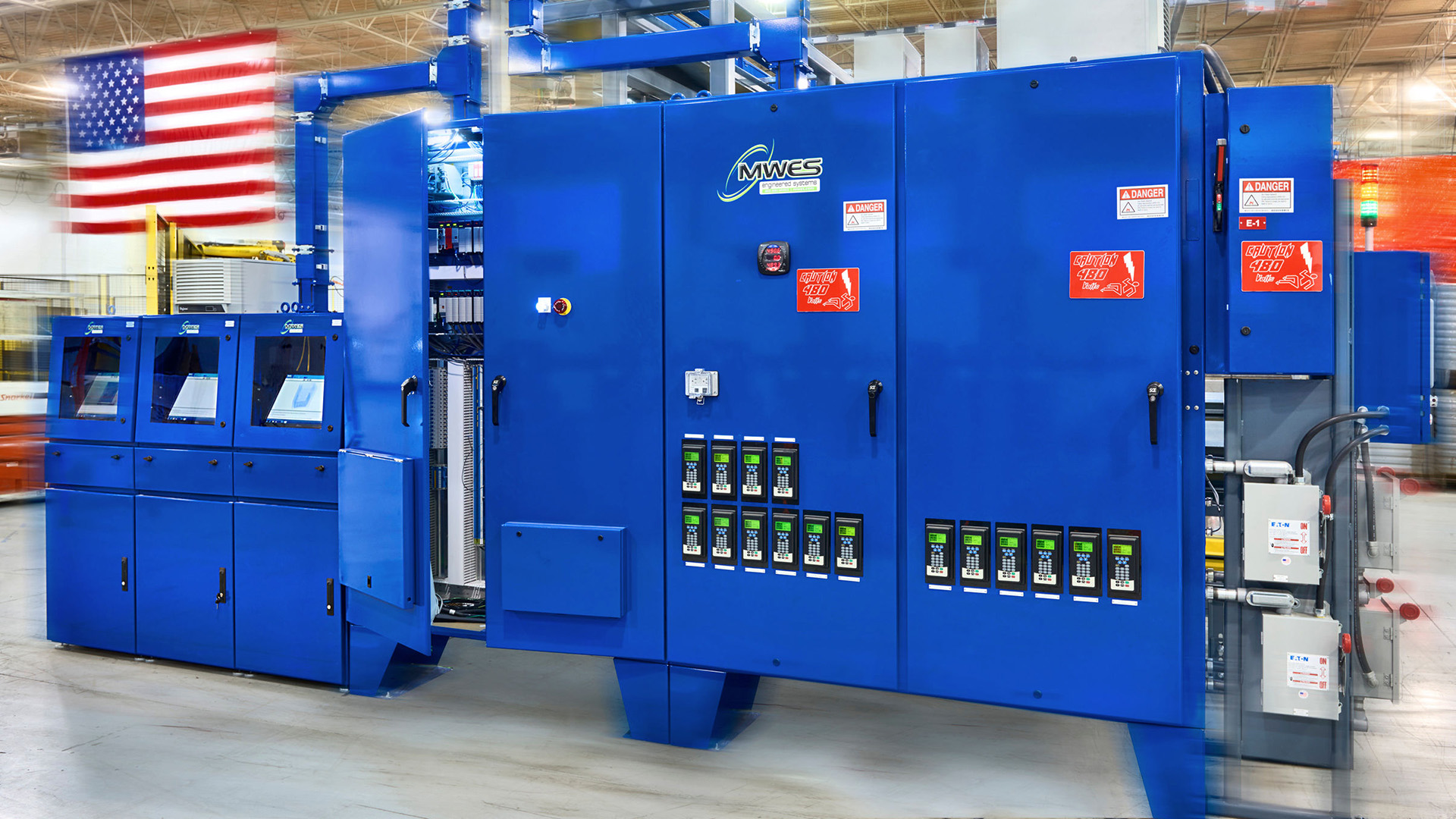
Midwest Engineered Systems (MWES) specializes in custom robotic welding solutions for large-scale assemblies, providing:
- Tailored systems to fit your production volume and part size
- Integration with ABB and other advanced robotic platforms
- Operator-friendly interfaces for easy programming and monitoring
- Full-service support, including training, maintenance, and optimization
- Safety-focused designs for high-volume industrial environments
Ready to Upgrade Your Welding Process?
Robotic welding is the key to achieving higher quality, faster throughput, and safer operations for large assemblies.
Take action today to streamline your production and maximize ROI:
- ✅ Schedule a Consultation
- ✅ Learn how MWES can integrate robotic welding into your production line
- ✅ Discover cost savings, efficiency gains, and improved safety metrics
Conclusion
Manufacturers that invest in robotic welding automation can overcome the challenges of large-scale assembly welding while improving product quality, production efficiency, and worker safety. With MWES expertise, your facility can implement custom solutions that scale with your operation and deliver measurable ROI.