Overview
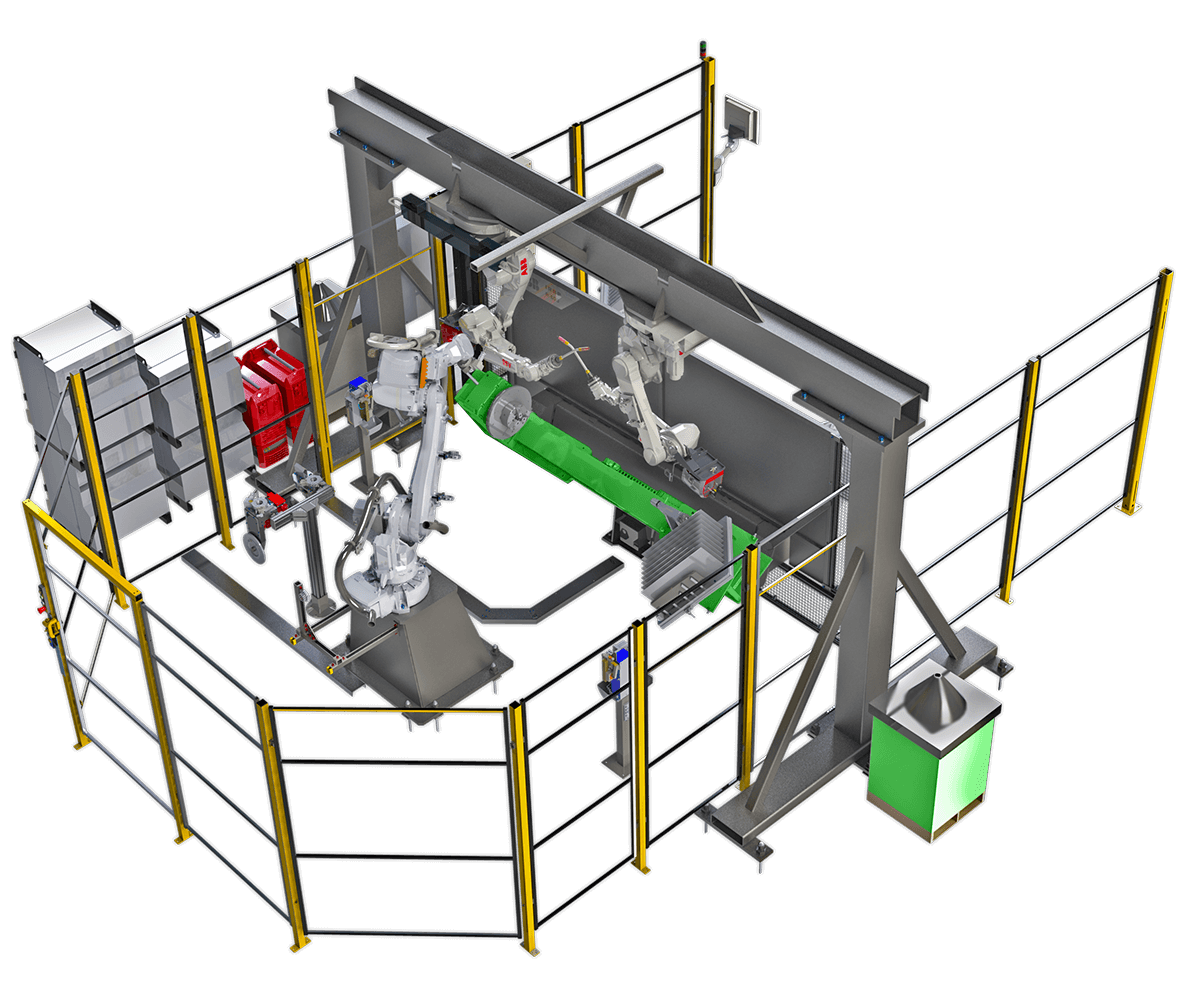
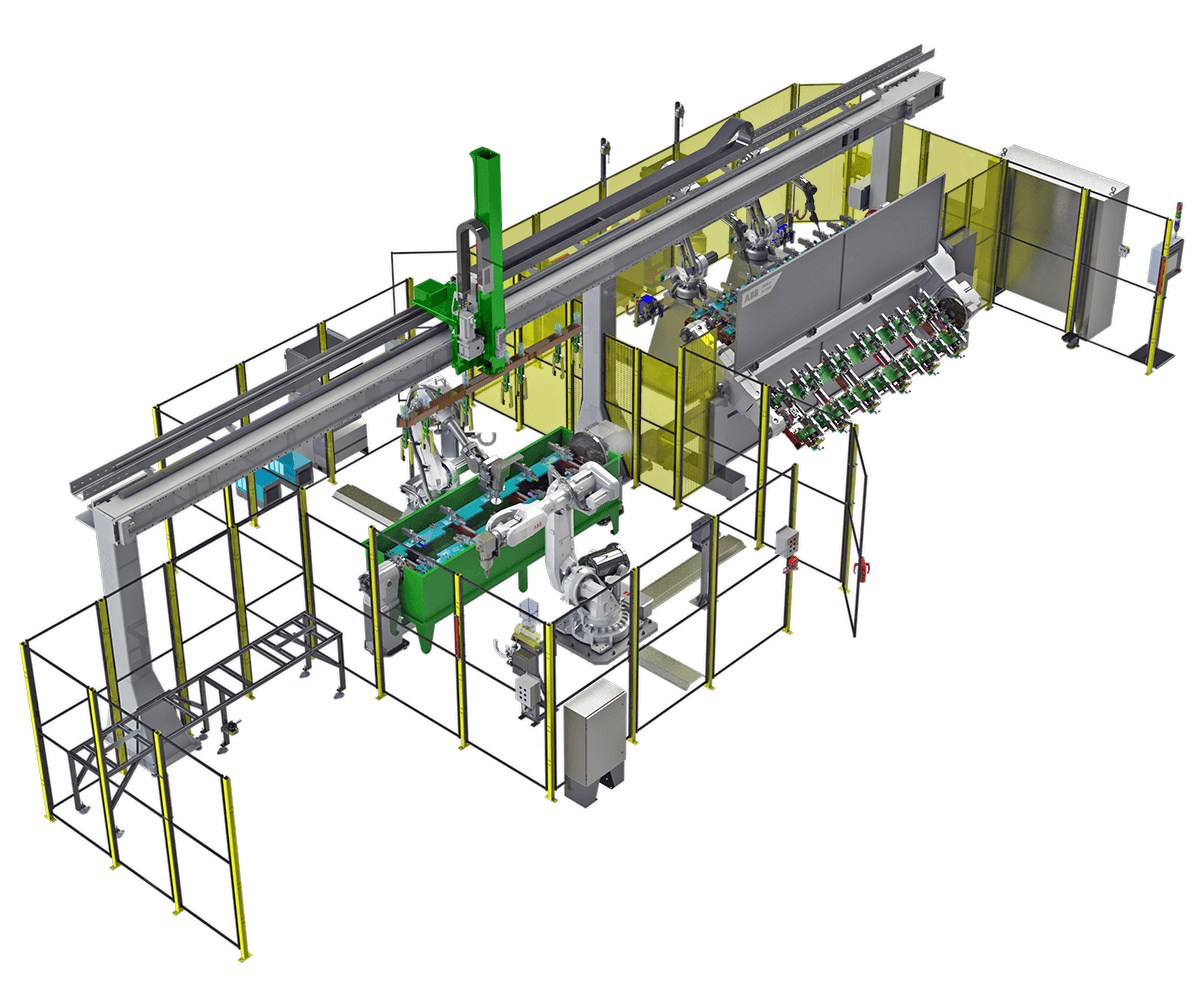
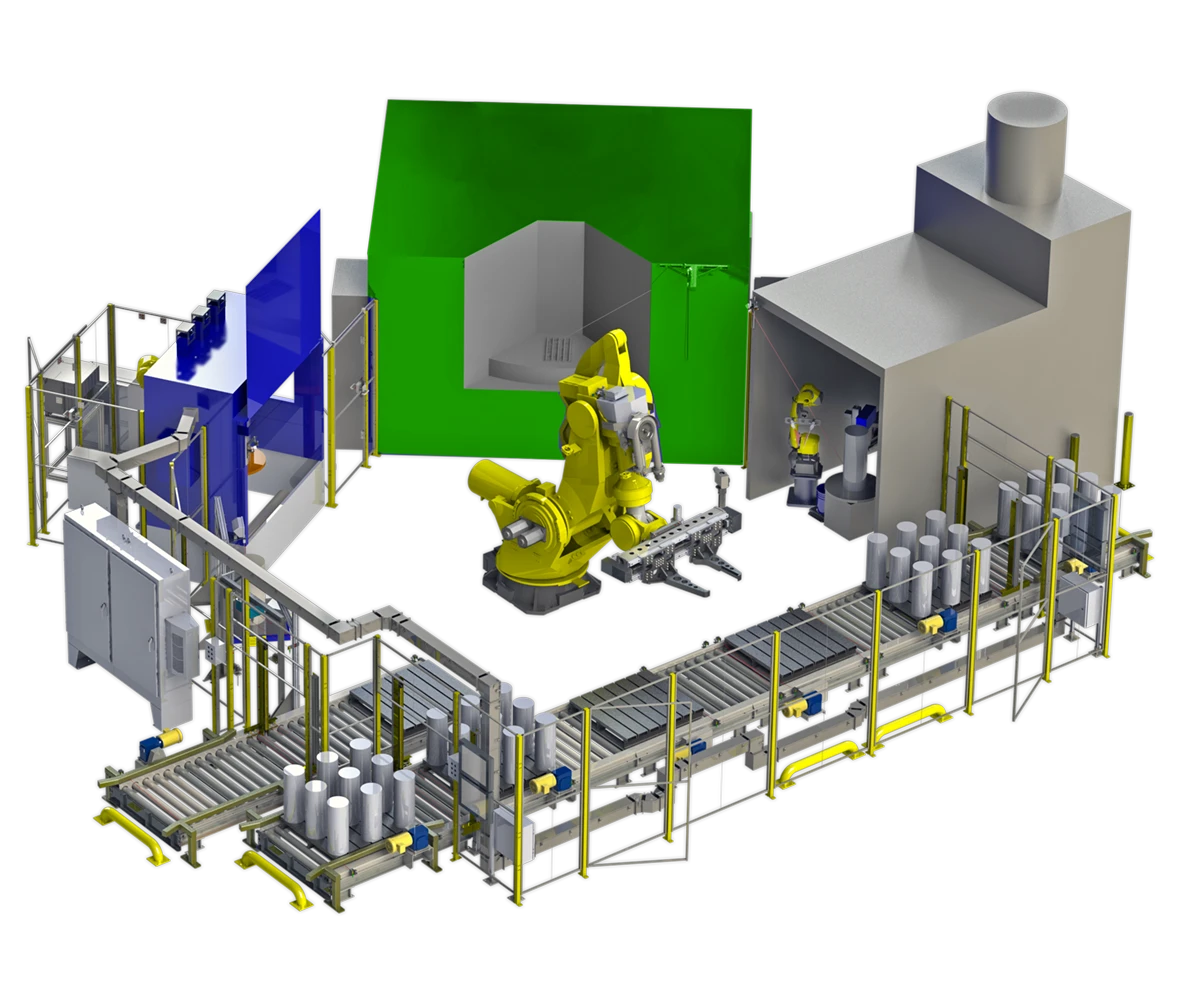
Advancements in industrial robotics have made robotic grinding and low-tolerance machining a practical automation solution for manufacturers and foundries seeking greater consistency, safety, and productivity. With improved rigidity and repeatability, industrial robots are increasingly used for finishing castings, rough machining, and grinding operations, helping address skilled labor shortages and reduce exposure to hazardous working conditions.
While robotic grinding offers a clear entry point into automation, it is not a one-size-fits-all solution. These systems perform best in high-mix, low-volume environments where machine vision can reliably identify parts and dynamically select the correct finishing processes. However, factors such as machine vision training time, part variability, and run volumes must be carefully evaluated. In some cases, the resources required to train automation systems can outweigh throughput gains if not properly aligned with production demands.
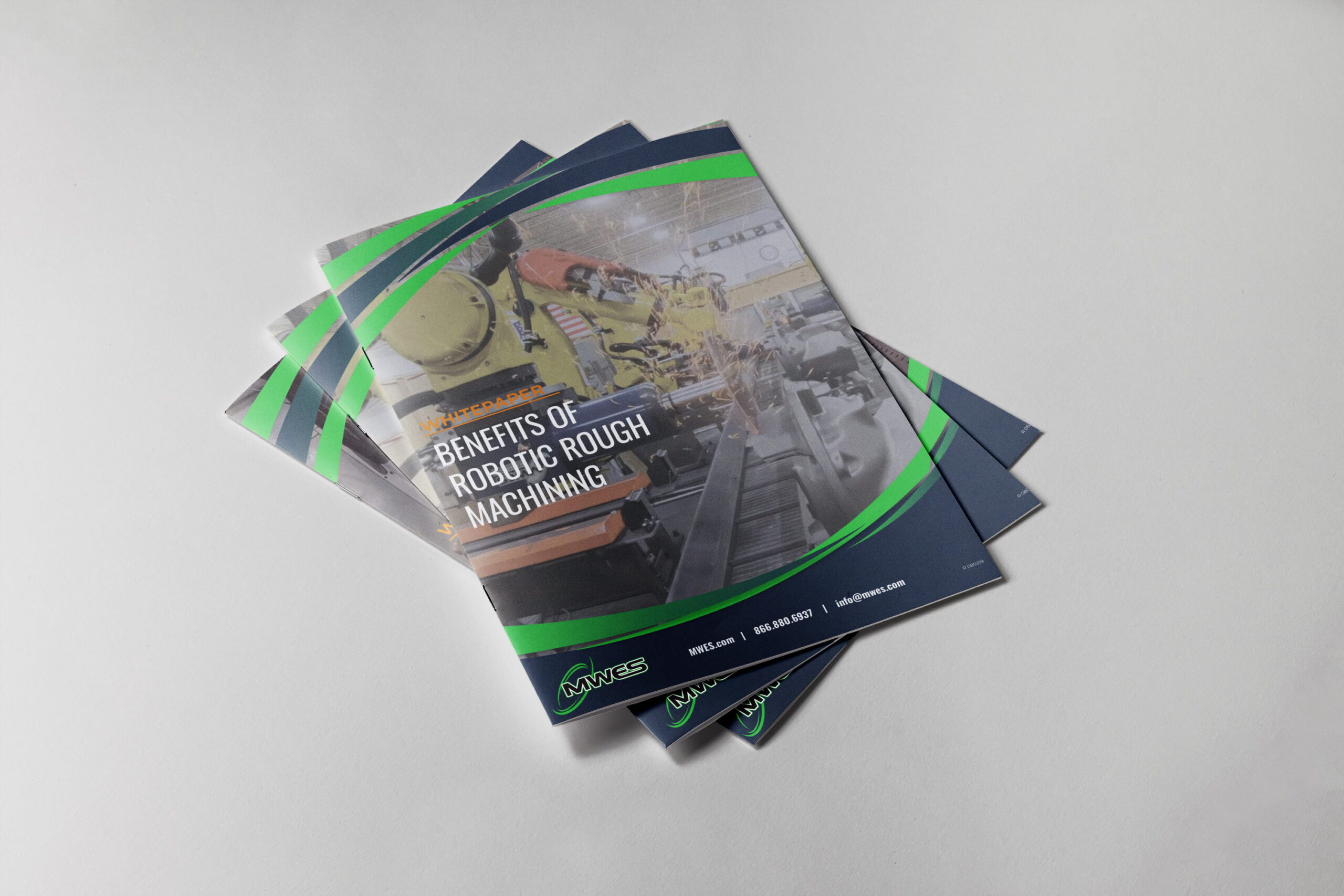
This white paper explores the benefits, limitations, and ideal use cases for automated grinding cells. It provides guidance on when robotic rough machining and grinding deliver the greatest return on investment—and how aligning part mix with system capabilities can unlock significant efficiency improvements.
Download now to determine whether robotic grinding automation is the right fit for your production environment and how to maximize its impact.