The Challenge
Manual and Static Flame Treatment Was Inefficient and Inflexible
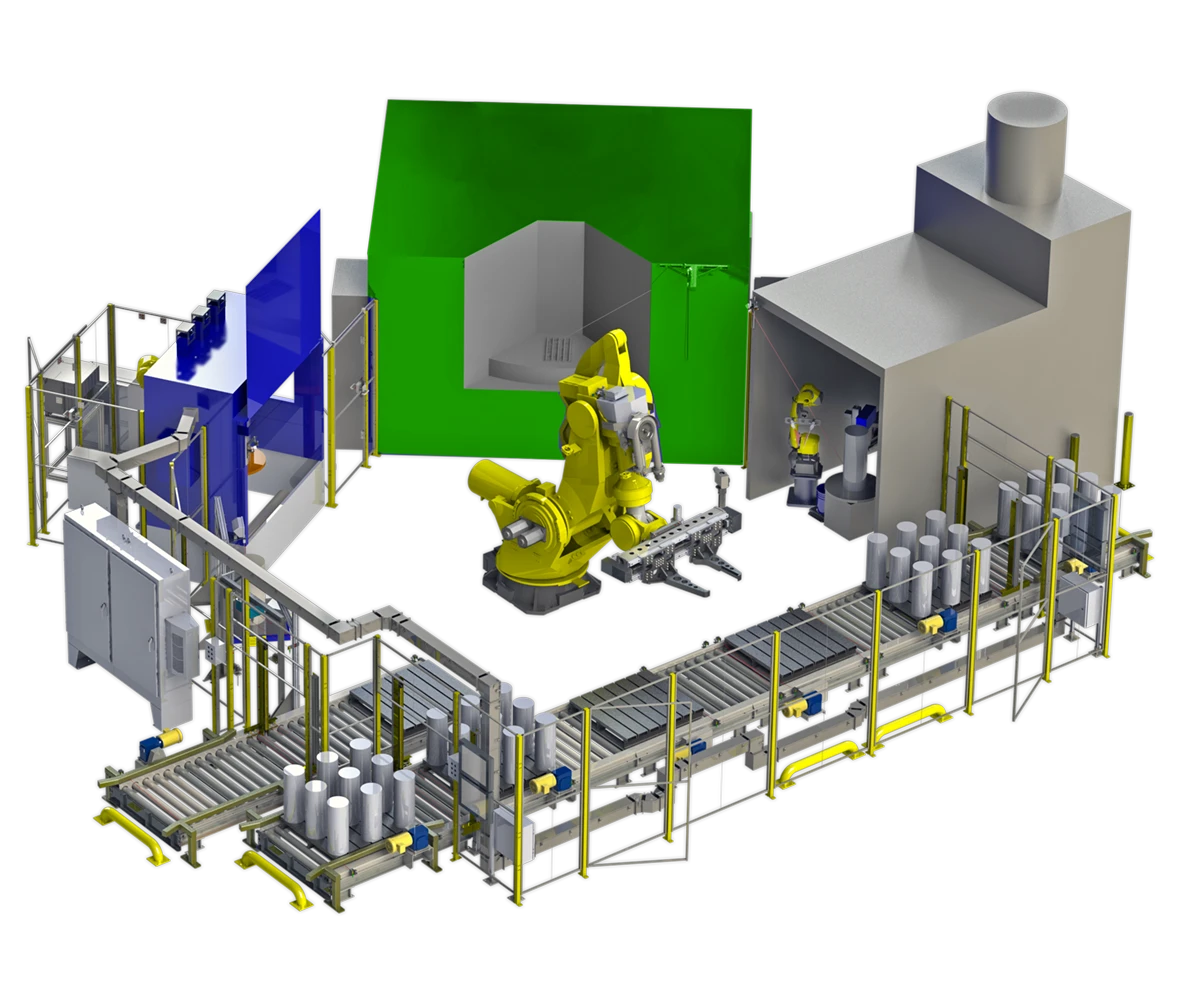
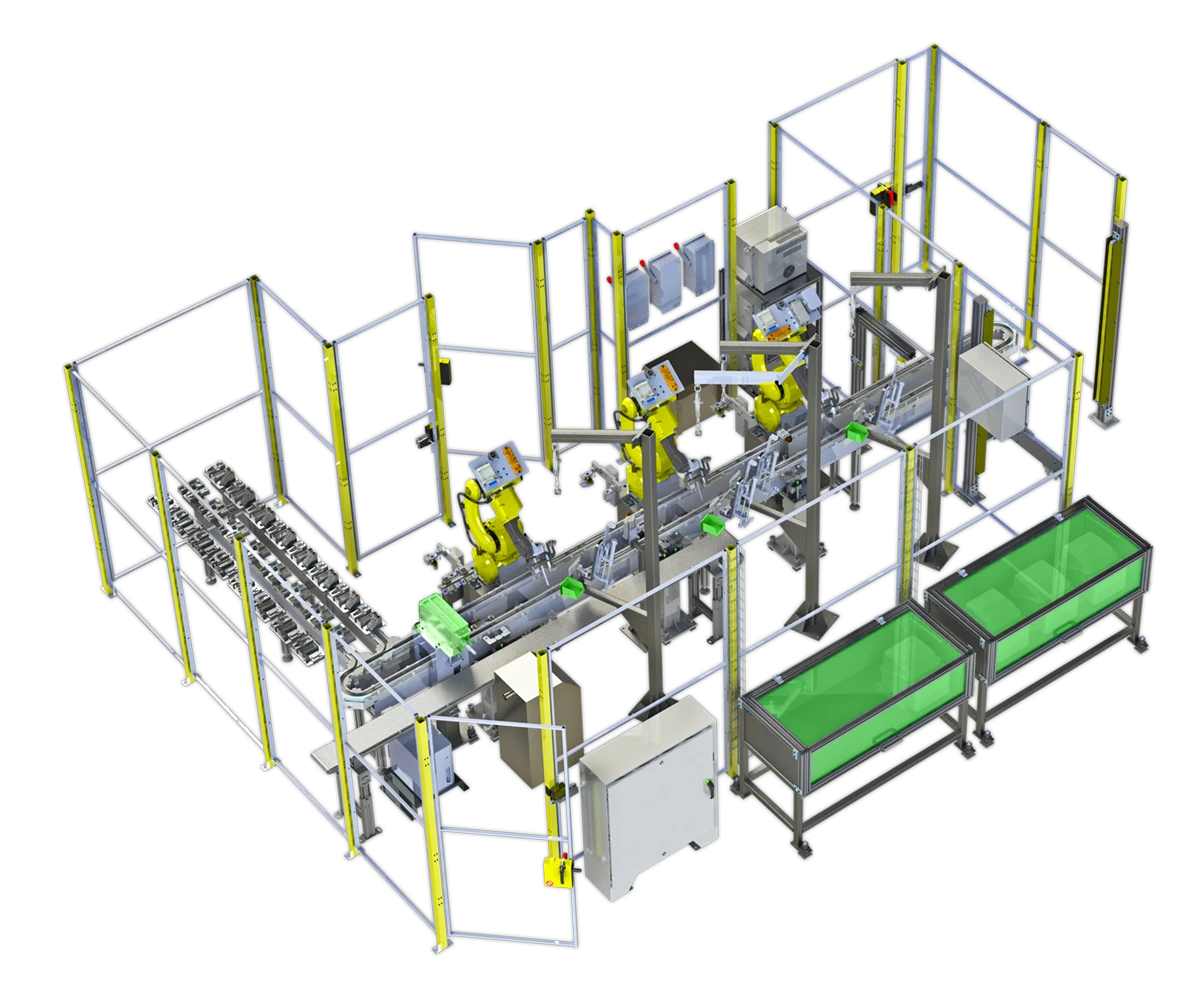
Traditional flame-treating operations often require multiple robot‑station setups, limiting adaptability to part variation and causing idle time and complexity. MWES was tasked with consolidating this workflow into a single, vision-guided cell.
- Used multiple robots or stations to treat similar parts, leading to under-utilization
- Fixture-based, sensor-heavy designs lacked flexibility for new parts
- High integration complexity increased installation and changeover costs
- Lack of vision meant limited ability to handle part variation dynamically
MWES was selected for its ability to integrate vision systems with robotic flame treater technology to deliver a more flexible and efficient production cell. enerconind.com+2enerconind.com+2enerconind.com+2enerconind.com+7enerconind.com+7automate.org+7
The Solution
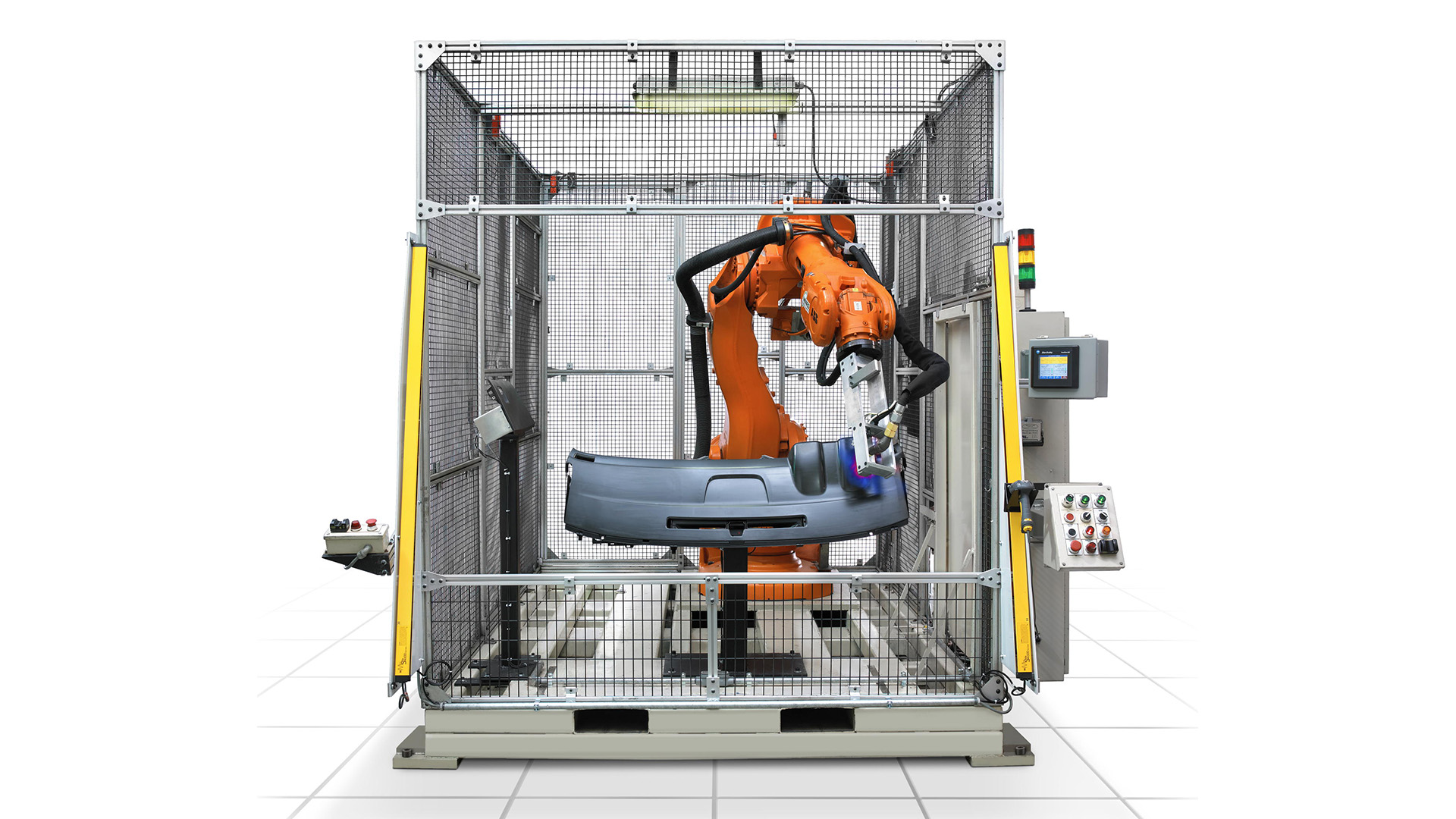
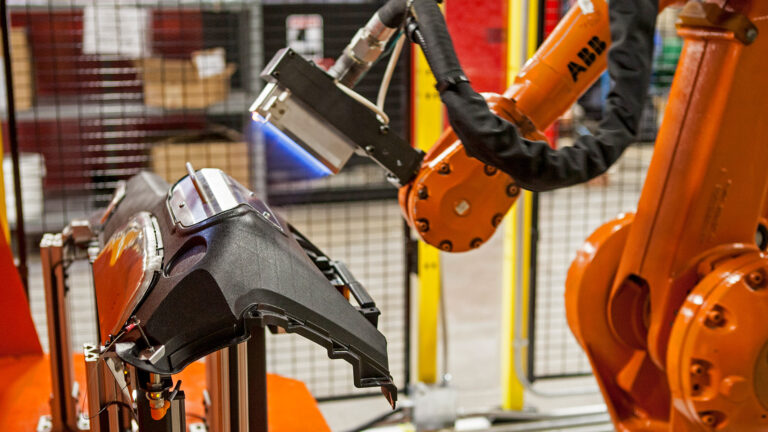
Single Robot, Vision‑Guided Flame Treating Cell with Internal Gas Routing
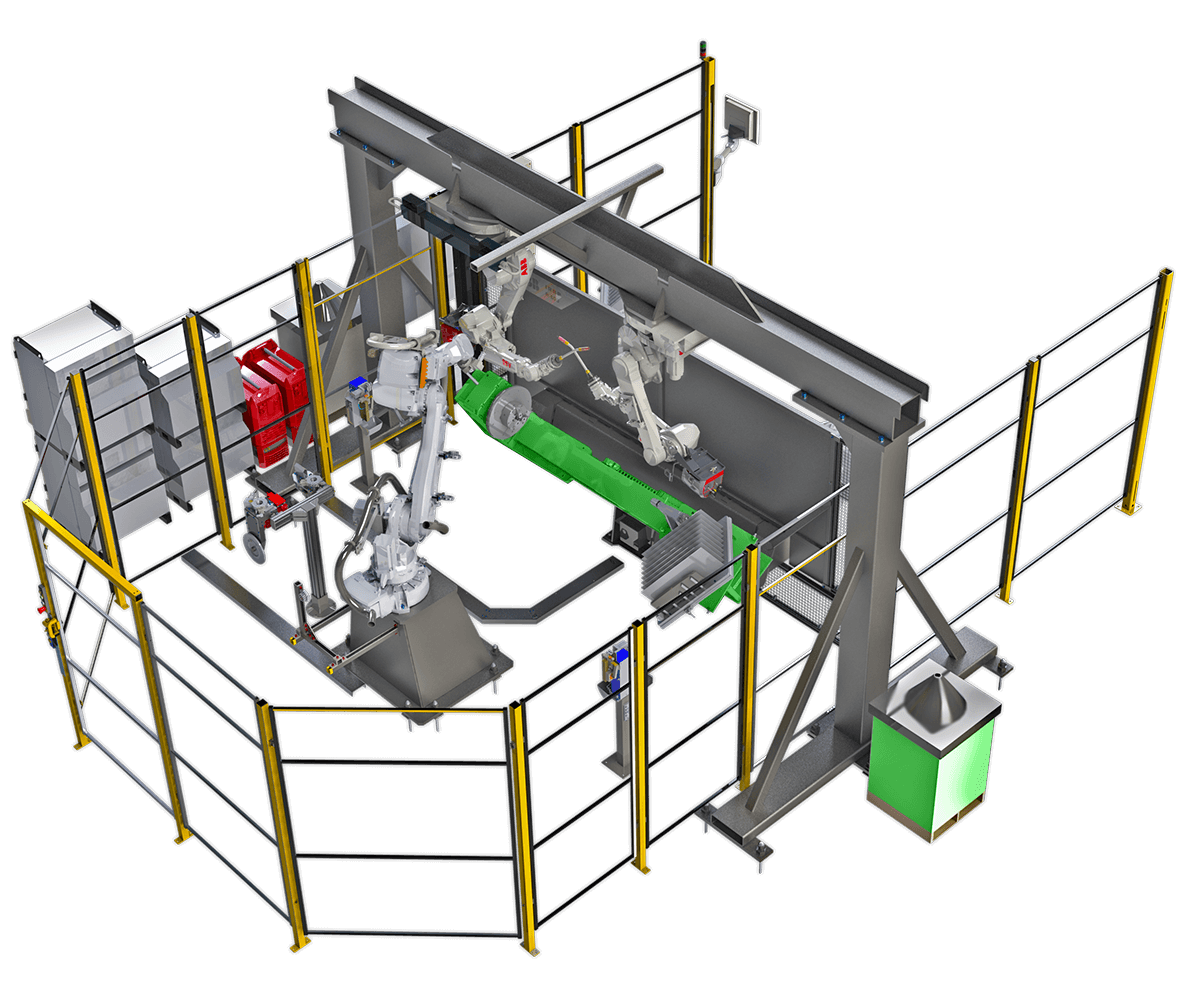
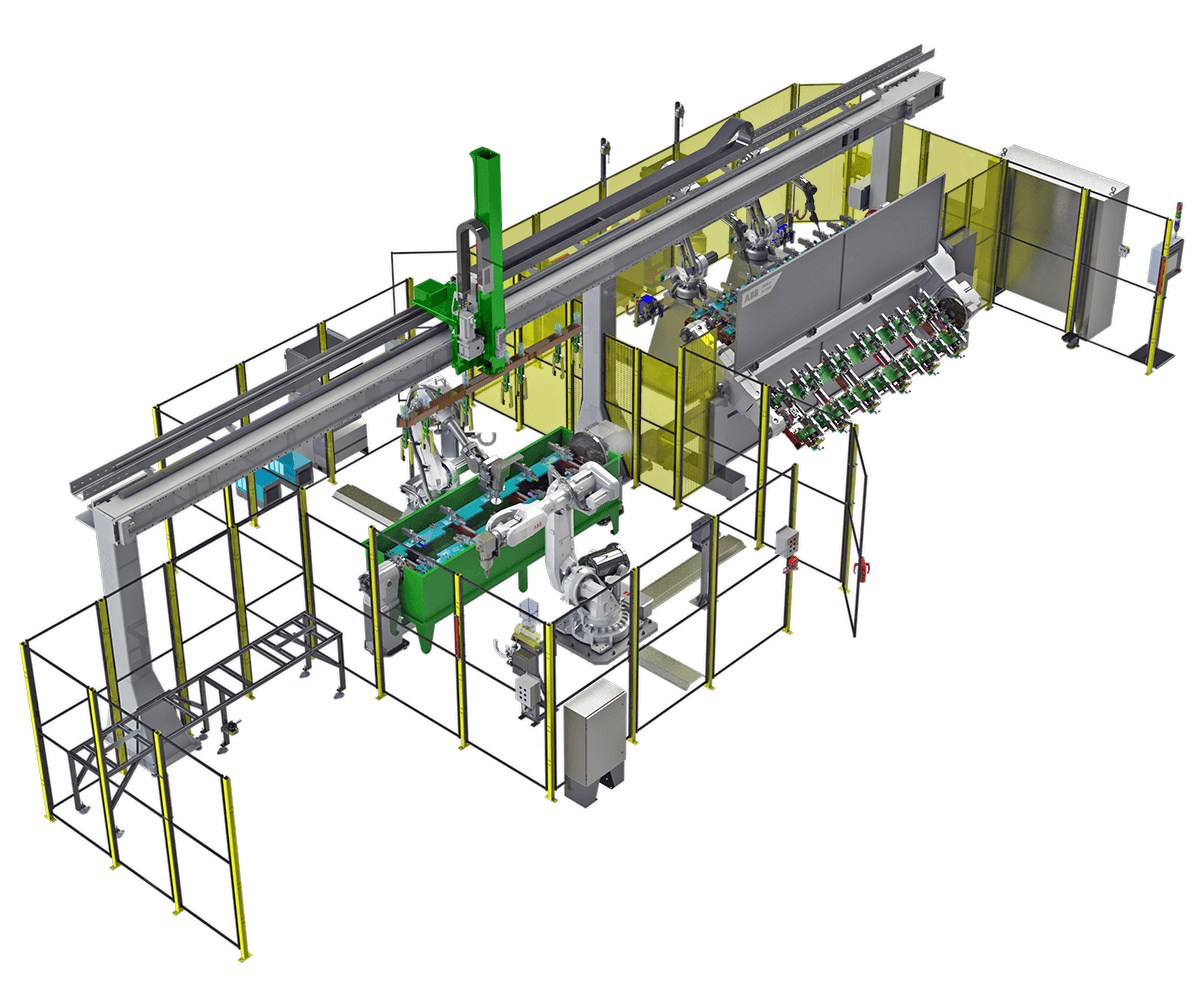
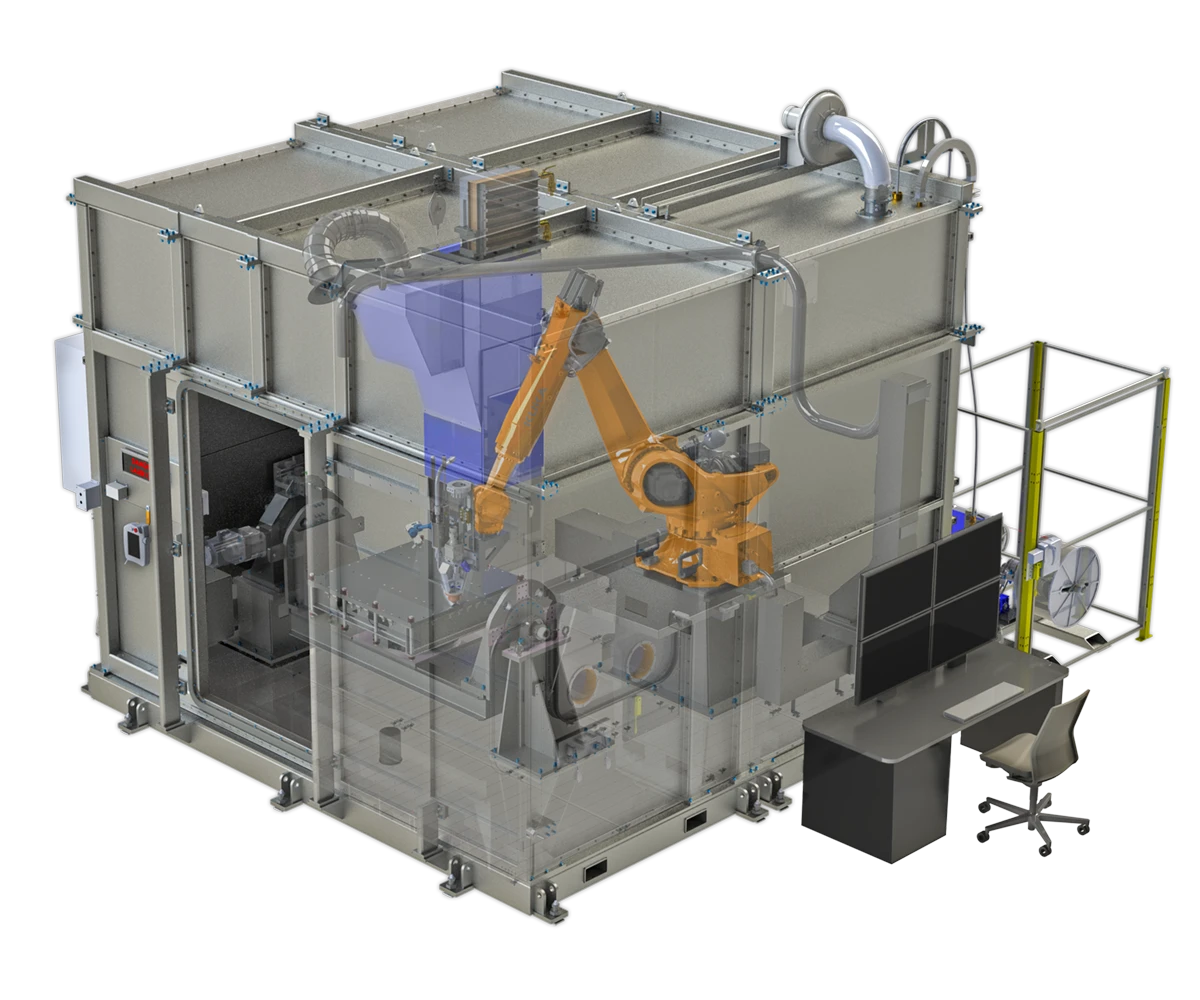
MWES developed a compact cell using an ABB IRB 2600ID robot with integrated dressing for gas/electrical/fluid routing and a vision system to locate parts within fixtures. The cell delivers precise flame treatment across multiple part types without needing separate stations.
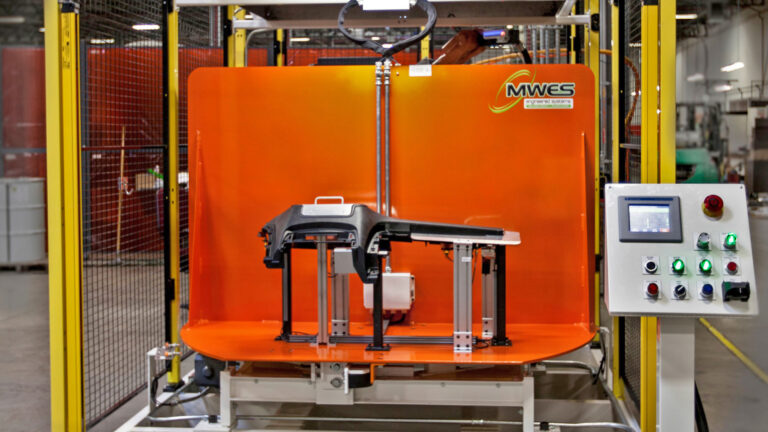
- Cognex vision system identifies part presence and orientation in fixtures
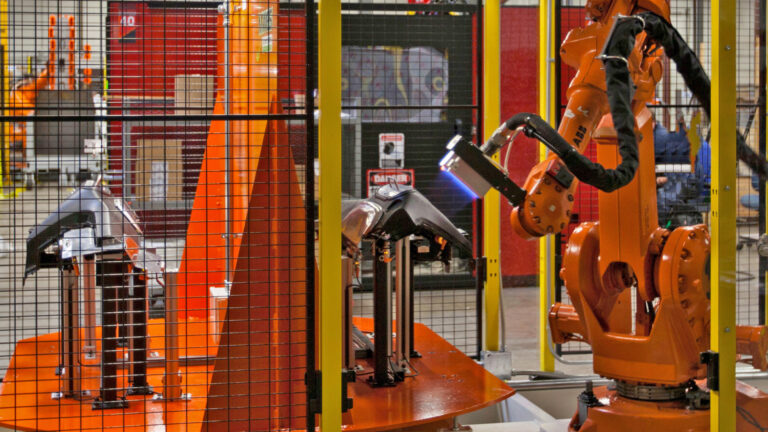
- One robot handles multiple stations sequentially, eliminating idle time from duplication
- ABB IRB 2600ID robot features integrated dress pack routing to support flame burner
- High-velocity Enercon flame head provides consistent, high-coverage surface activation
- MultiMove software enables coordination between turntable motion and robot for safe, dynamic treatment across fixture stations controleng.com+1enerconind.com+1enerconind.com+1enerconind.com+1
This design maximizes throughput, simplifies reprogramming for new parts, and reduces overall system footprint and complexity.
The Results
Streamlined Workflow, Reduced Cost, Greater Flexibility
By consolidating multiple stations into one intelligent cell, the customer achieved greater throughput, flexibility, and cost savings:
- ✅ Reduced robot count by consolidating functionality into a single cell
- ✅ Enabled handling of varying part geometries without fixture redesign or rewiring
- ✅ Eliminated proximity sensor networks, reducing installation and maintenance complexity
- ✅ Supported high uptime by minimizing idle robot cycles and enabling adaptive operation
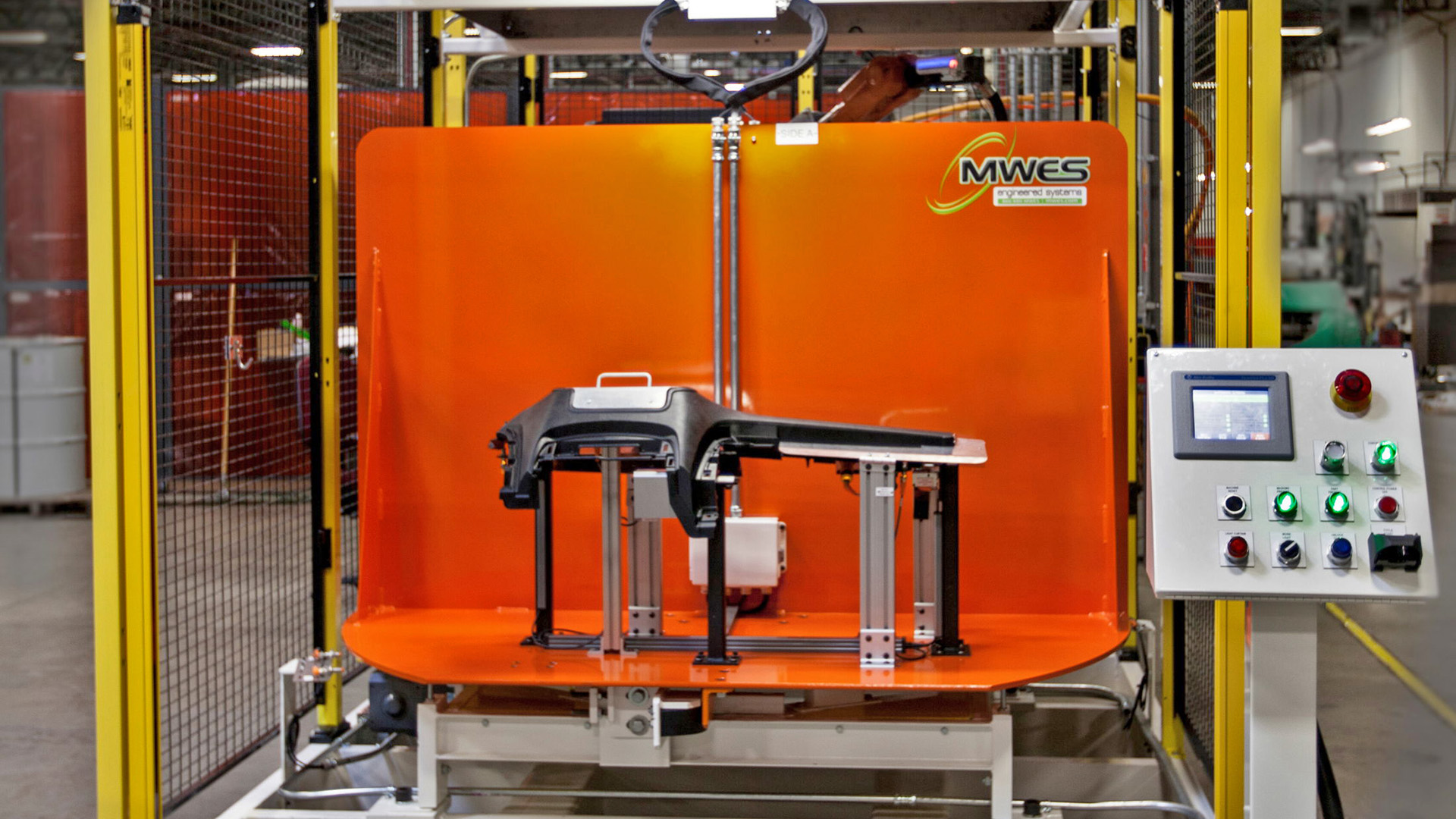
This MWES vision-guided flame-treater cell improves coating adhesion prep, supports mixed-part production, and enables quick changeovers—all with lower total cost of ownership.