Overview
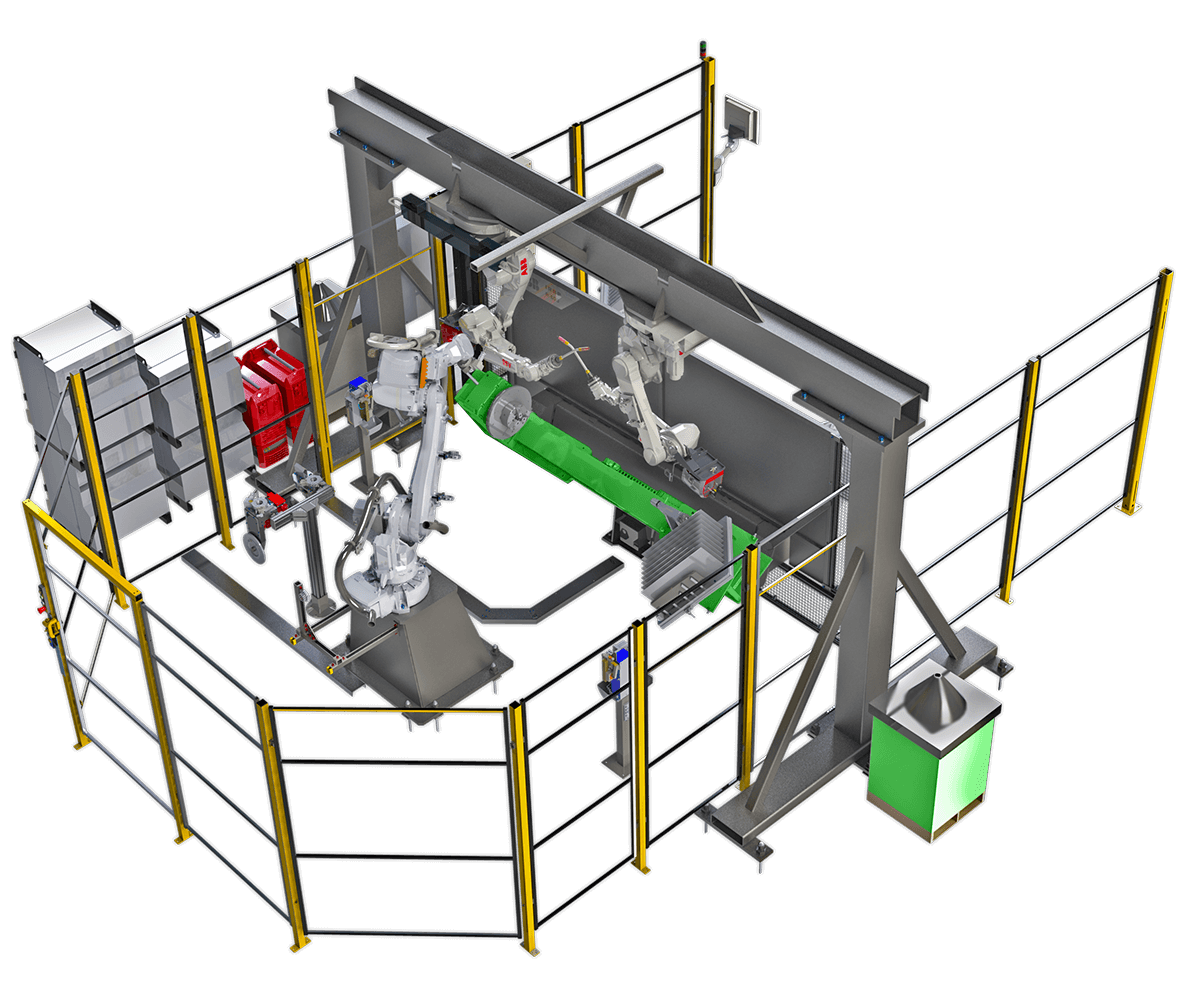
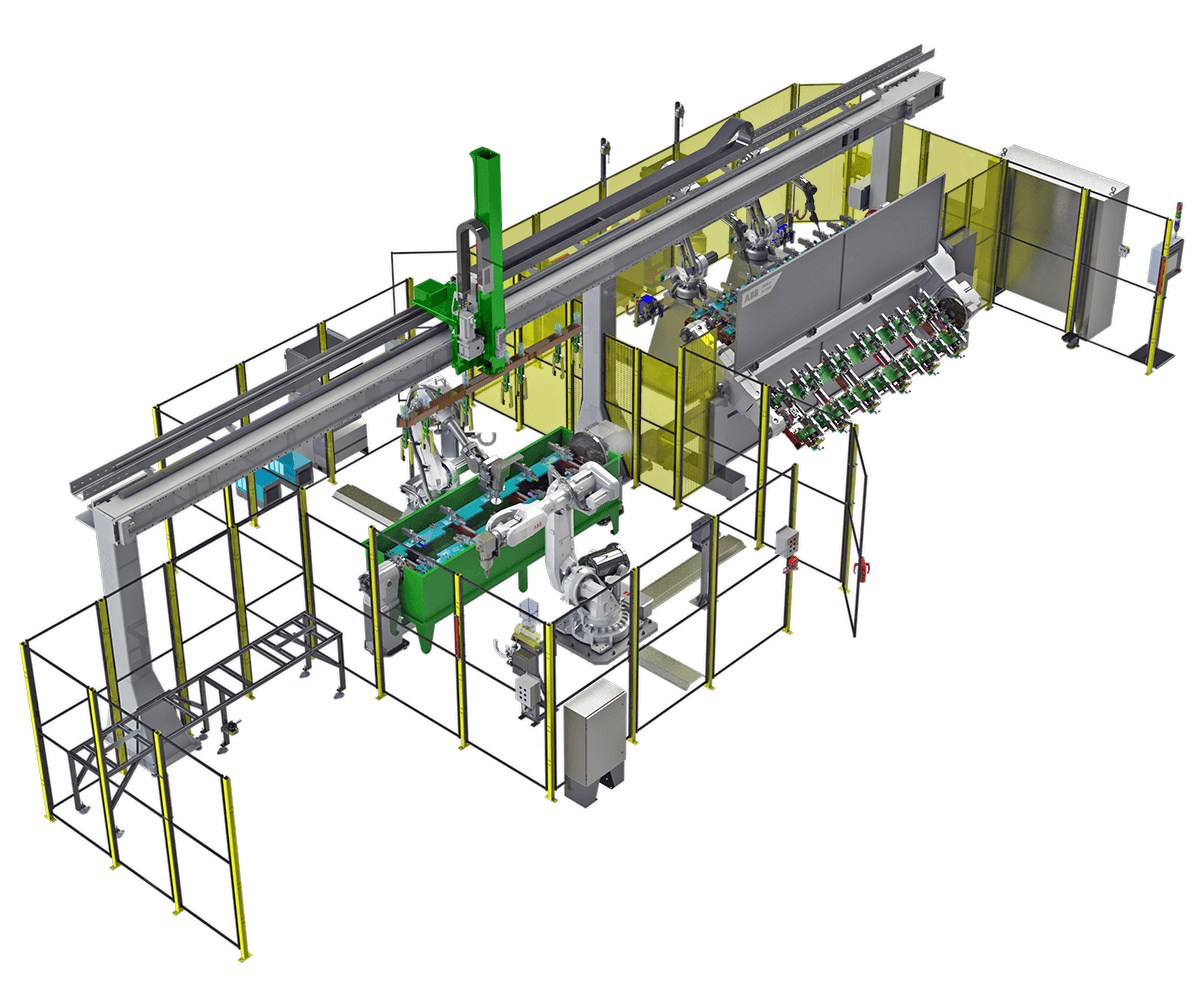
Robotic welding can deliver significant advantages over manual welding, including improved weld quality, greater consistency, and reduced cycle times in the right applications. However, automated welding is not the best solution for every manufacturing environment. Understanding your current production welding process is essential to determining whether robotic welding will deliver real value, or introduce new challenges.
Transitioning to automated welding can be more complex than it initially appears. Evaluating factors such as part variability, fixture design, throughput requirements, and existing process stability helps identify whether your operation aligns with the capabilities and constraints of industrial welding robots. Many of these considerations can be assessed without deep robotics expertise, allowing manufacturers to spot potential automation trouble areas early.
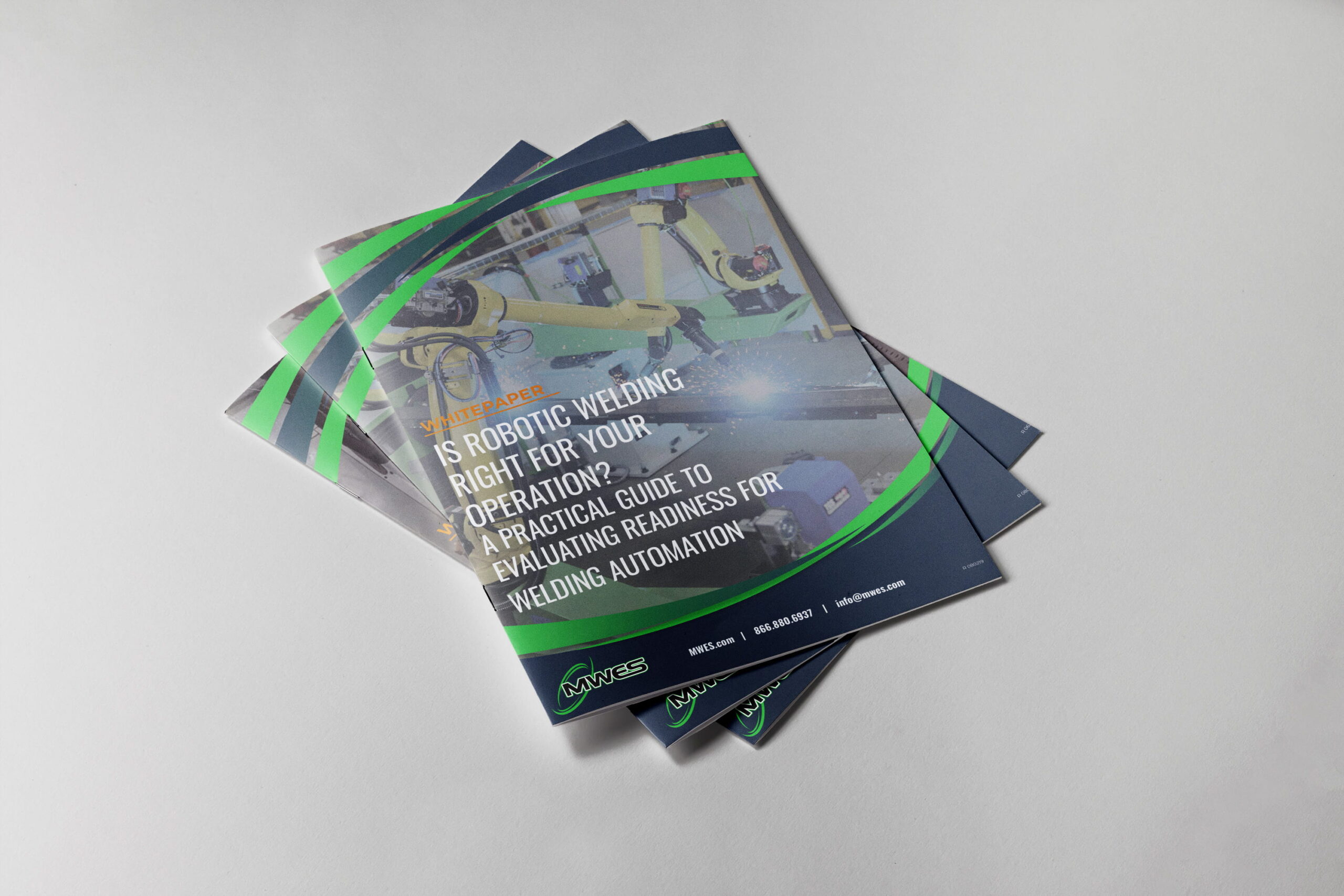
This white paper provides a practical framework for assessing welding automation readiness. It outlines key production process areas to analyze, highlights conditions where robotic welding excels, and identifies scenarios where automation may not be the best fit.
Download now to learn how to evaluate your welding process, avoid common automation pitfalls, and make informed decisions about robotic welding investments.