Conveyor Systems

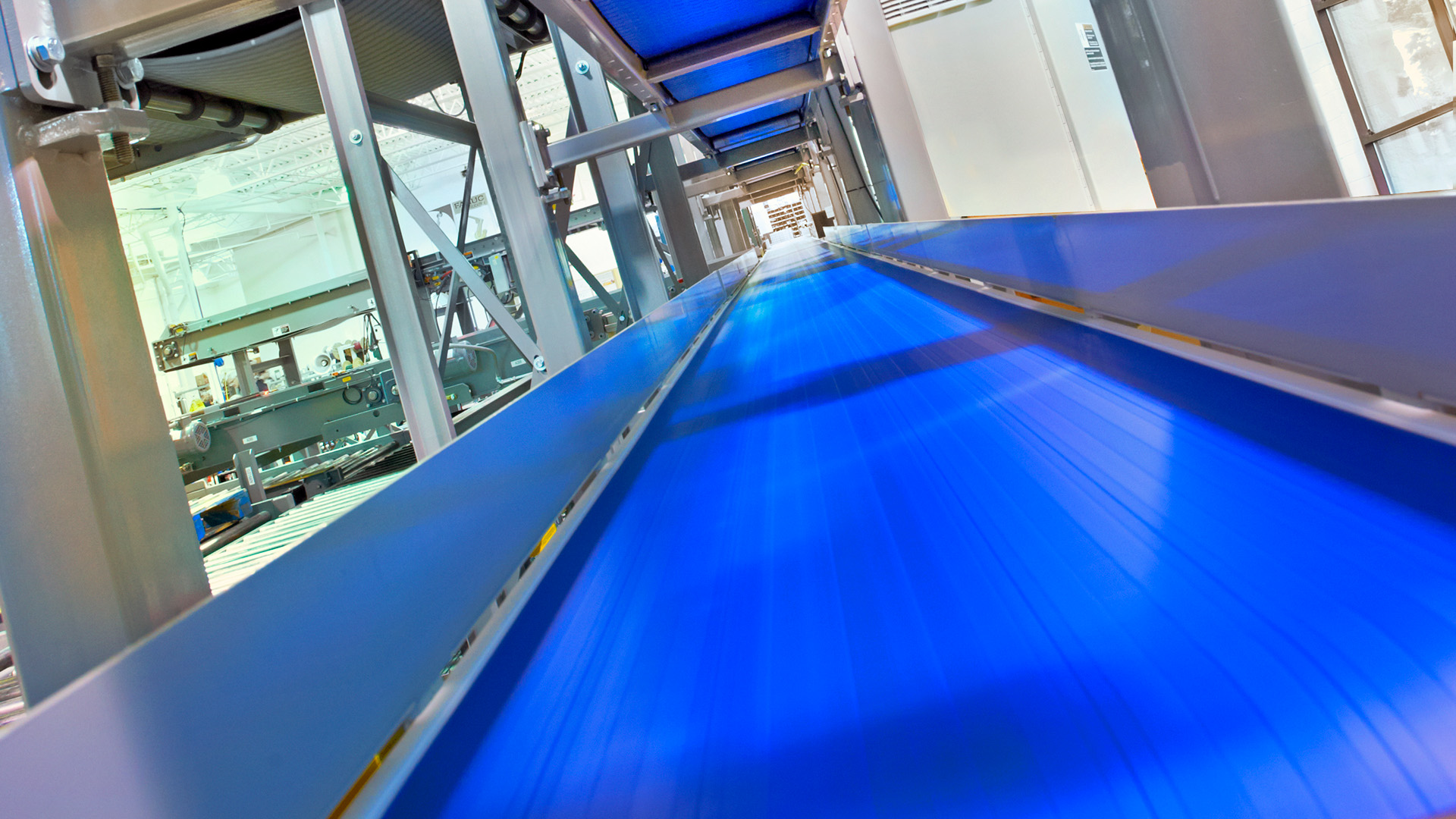
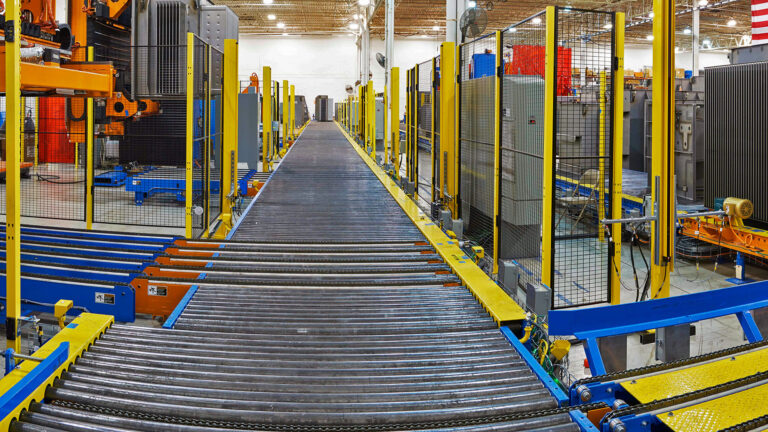
There are many benefits to automating material handling conveyance in place of utilizing manual labor, forklifts or manual lifts. Conveyors have virtually no limit on the number of items that can be continuously loaded and unloaded, and with regular maintenance, conveyor systems can essentially run indefinitely. Also, conveyors installed with automated incline belts can unload products without the need for manual labor, eliminating material unloading supervision.
Conveyance systems can be configured to feed materials between levels with virtually no height limitation, which is especially useful for large, multi-level facilities. Additionally, conveyor speeds can be controlled through programming or interfaces, reducing the chances of an item breaking or other handling issues stemming from product loss. Lastly, conveyors can transport materials in both directions, which is useful in instances where material is moved between different ends of a facility during a product’s manufacturing phase.
Without conveyors, materials would have to be manually transported and tracked which adds costs and potential handling issues. With increasing labor costs and labor-management issues, conveyance automation is the best solution for moving products through production.
Integration with Automation Systems
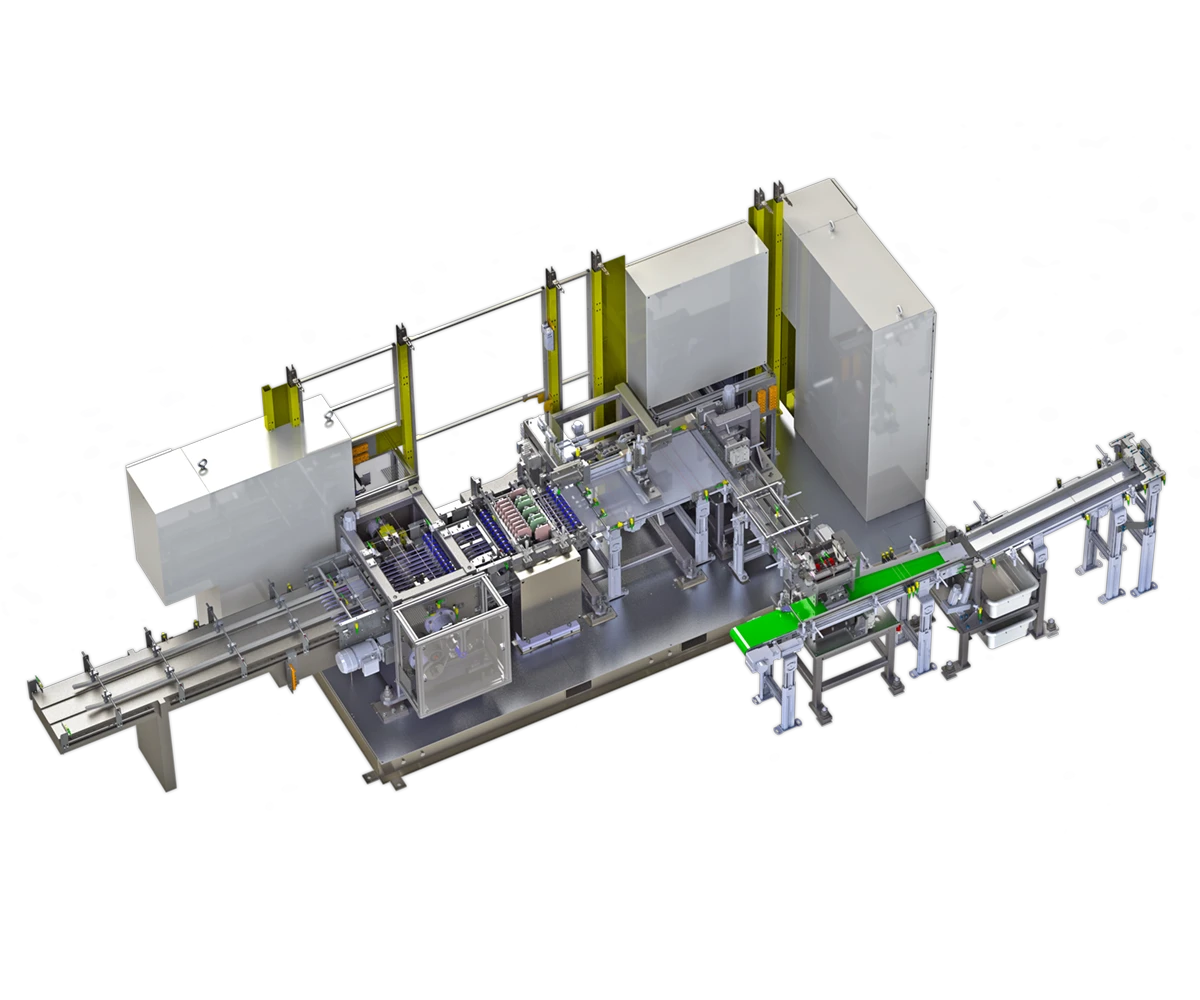
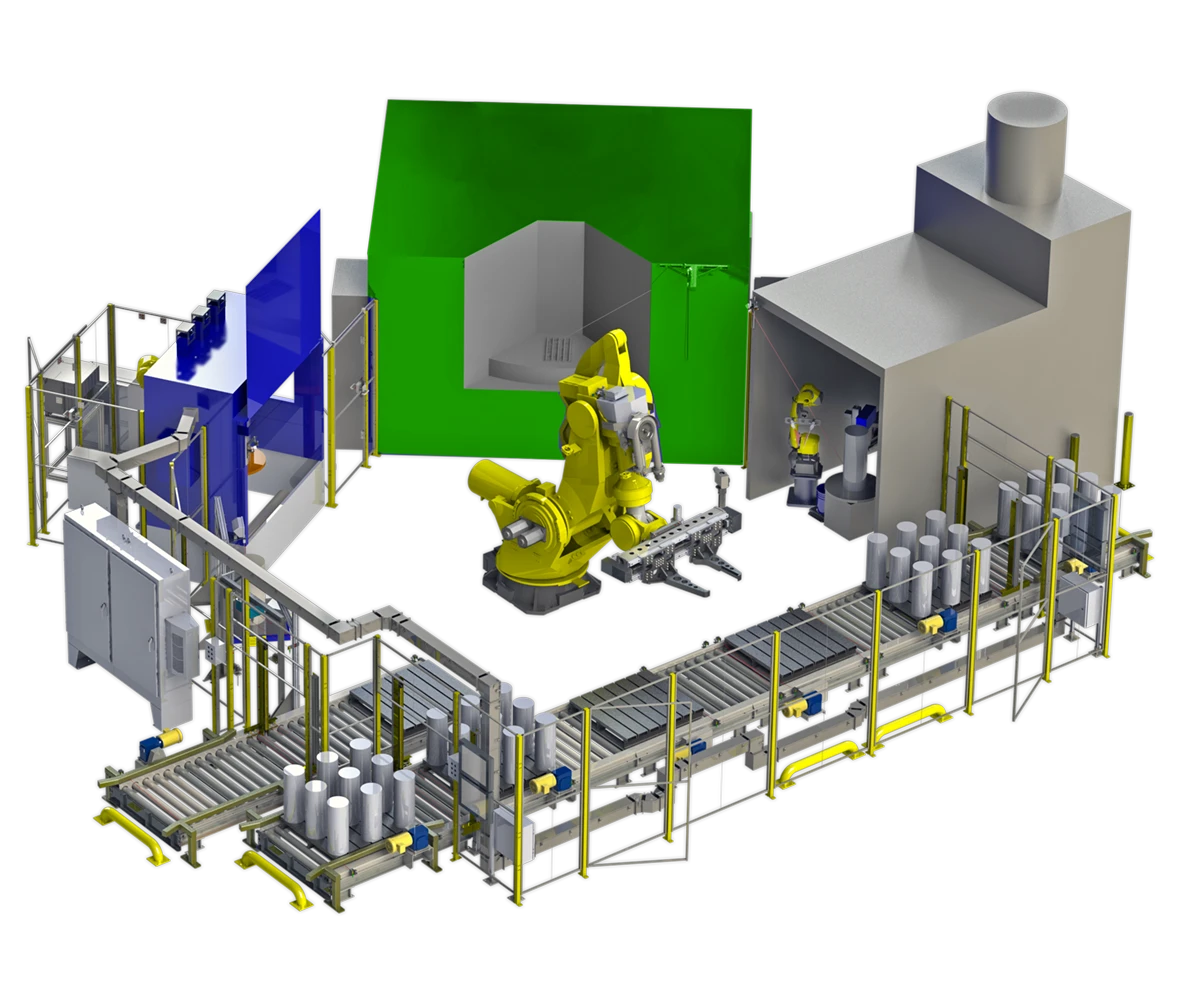
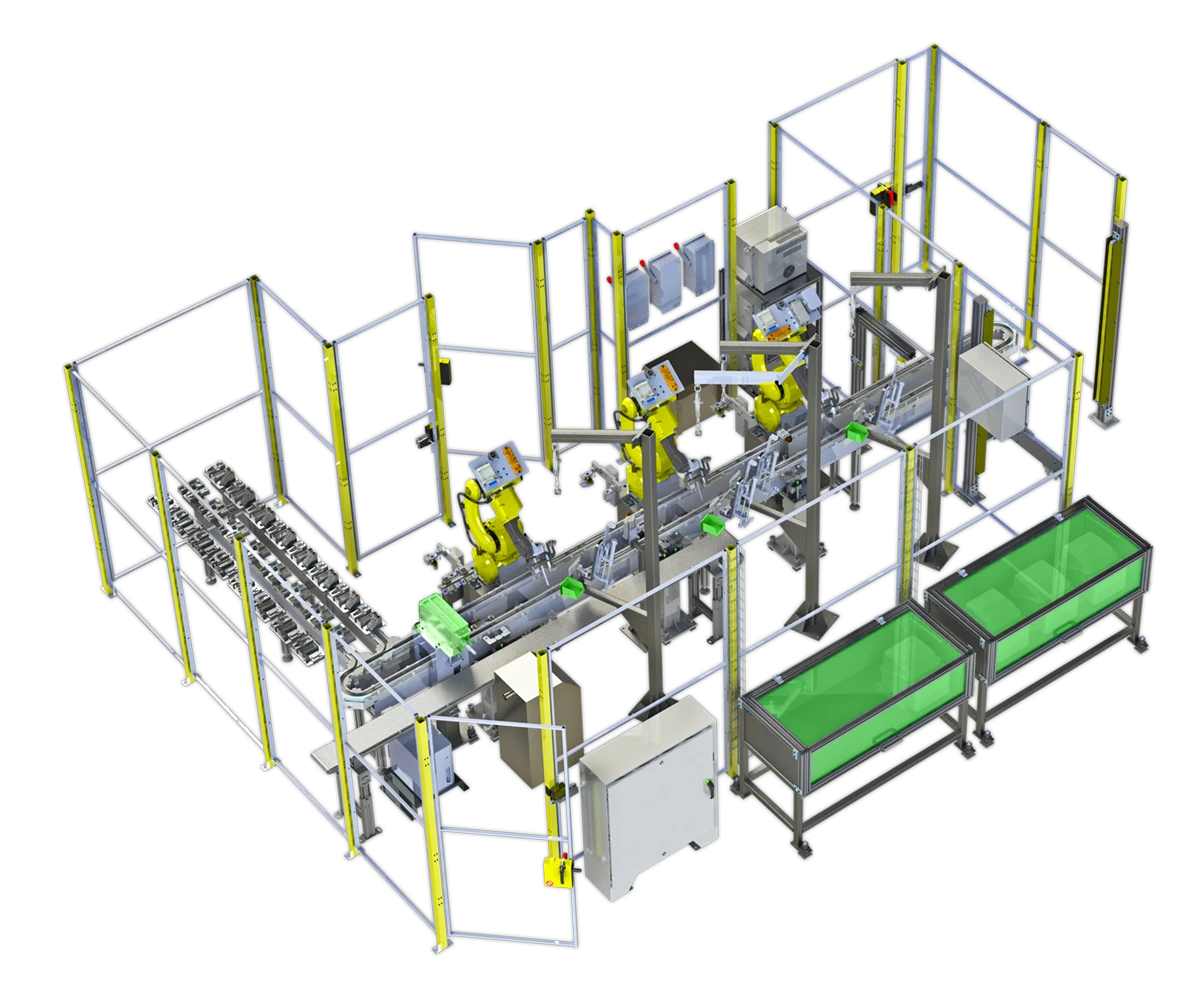
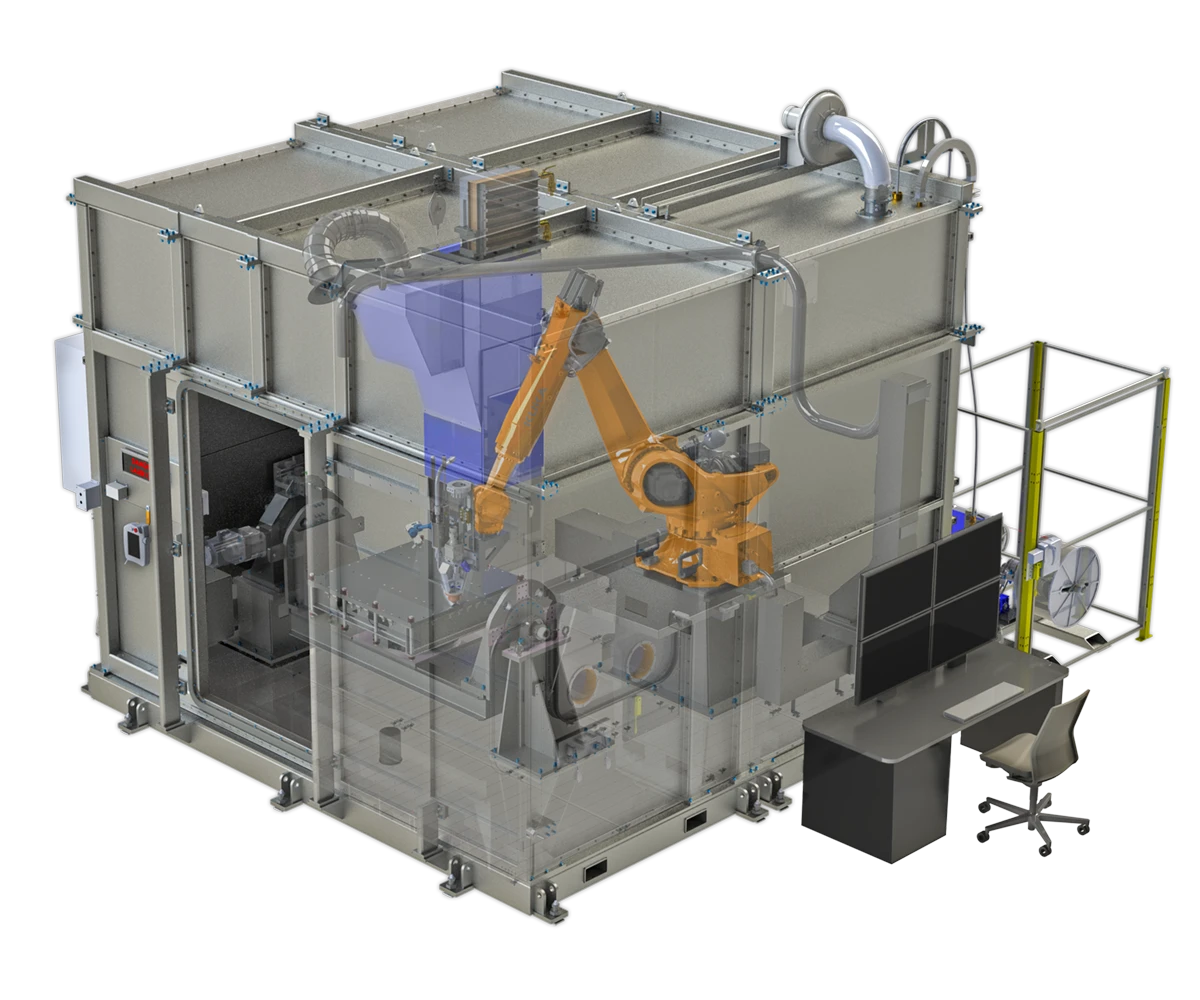
Conveyors can be integrated with a wide range of different types of automation systems. The integration can be with existing production systems or entirely new systems and processes.
- Sorting Systems – These systems use sensors, scanners, or other devices to identify and separate items based on certain criteria, such as size, shape, color, weight or barcode. Conveyors are used to move the items to the appropriate bins, chutes or destinations after they are sorted.
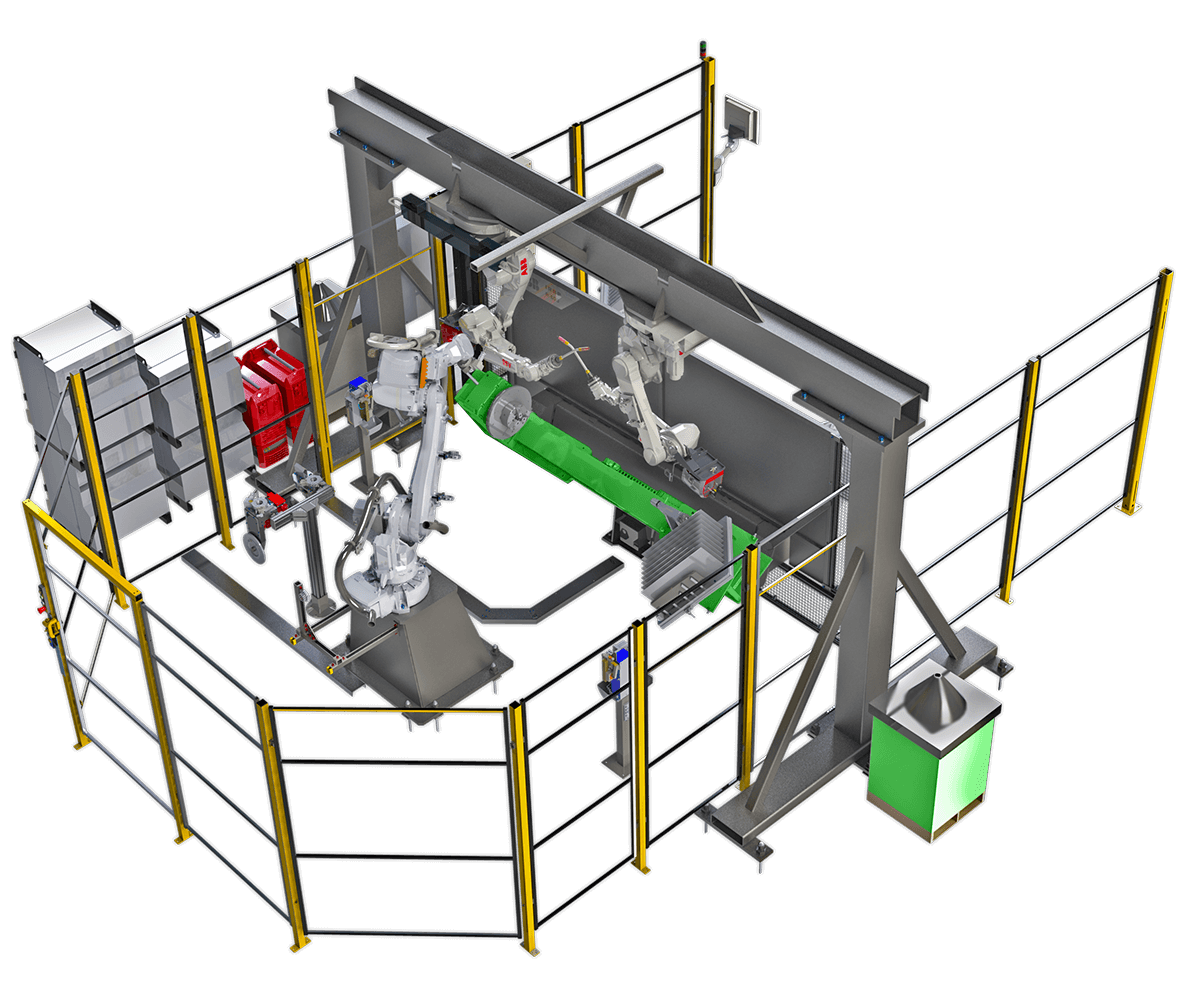
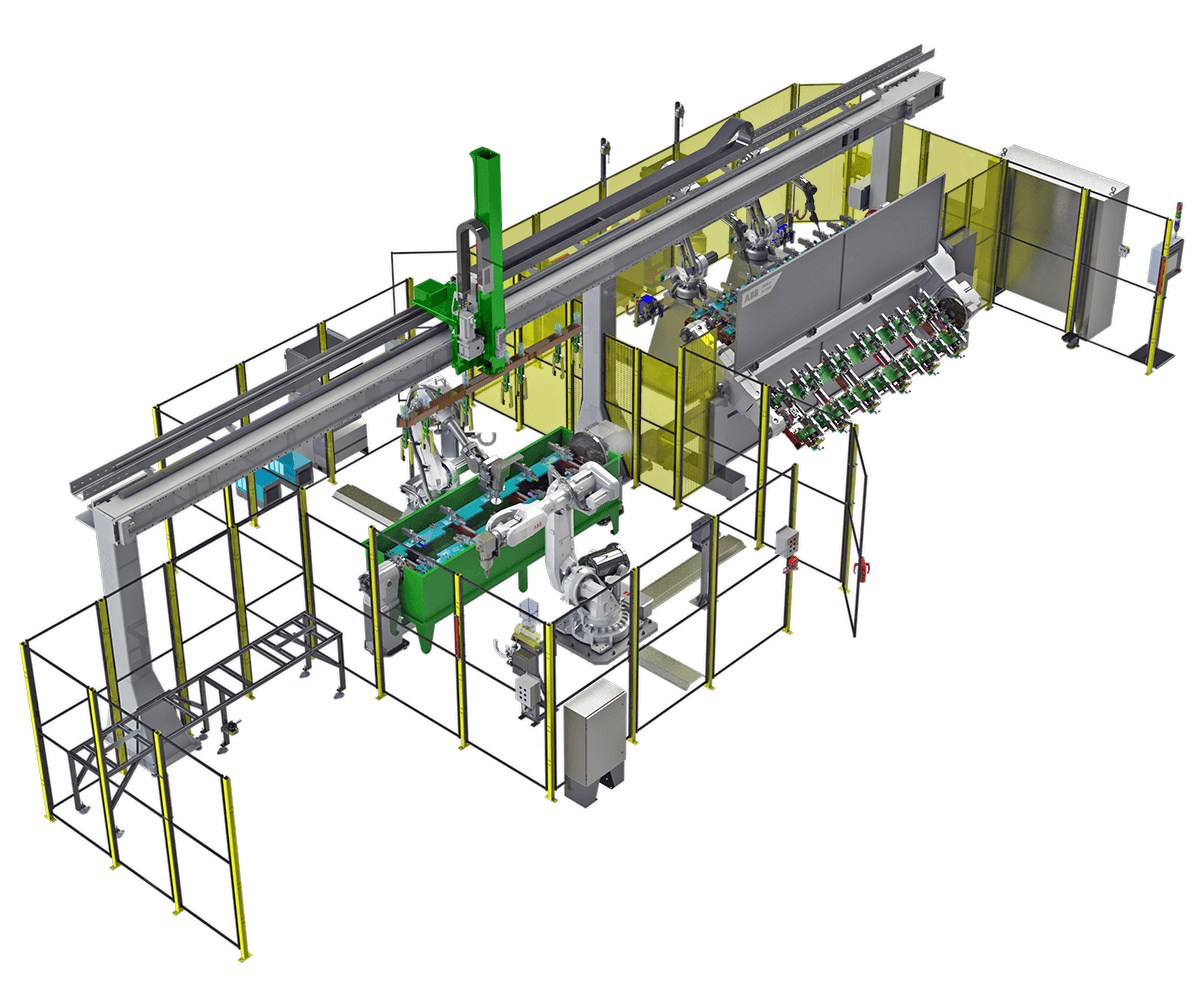
- Assembly Systems – These systems use robots, machines, or other devices to assemble parts or components into finished products. Conveyors are used to deliver the parts or components to the assembly stations and to transport the finished products to the packaging or storage areas.
- Packaging Systems – These systems use machines, software, or other devices to pack, label, seal, or wrap products for shipment or distribution. Conveyors are used to feed the products into the packaging machines and to move the packaged products to the loading docks or warehouses.
- Inspection Systems – These systems use cameras, sensors, scanners, or other devices to check the quality, quantity, or condition of products or materials. Conveyors are used to present the products or materials to the inspection devices and to divert any defective or non-conforming items to the rejection or rework areas.
Types of Conveyor Systems
The industry, application, and material characteristics determine the optimal type of automated conveyor system. Whether your operation requires heavy-duty industrial conveying or high-speed distribution automation, MWES designs and integrates conveyor systems tailored to your material handling requirements. Below are several popular conveyor solutions used in warehouses, manufacturing facilities, distribution centers, and supply chains.
Steel Belt Conveyors
Steel belt conveyors are constructed from thin, flexible metal strips engineered to withstand high temperatures, abrasion, corrosion, and impact. These conveyors are ideal for handling heavy, bulky, or sharp materials such as scrap metal, wood chips, glass, and cement.
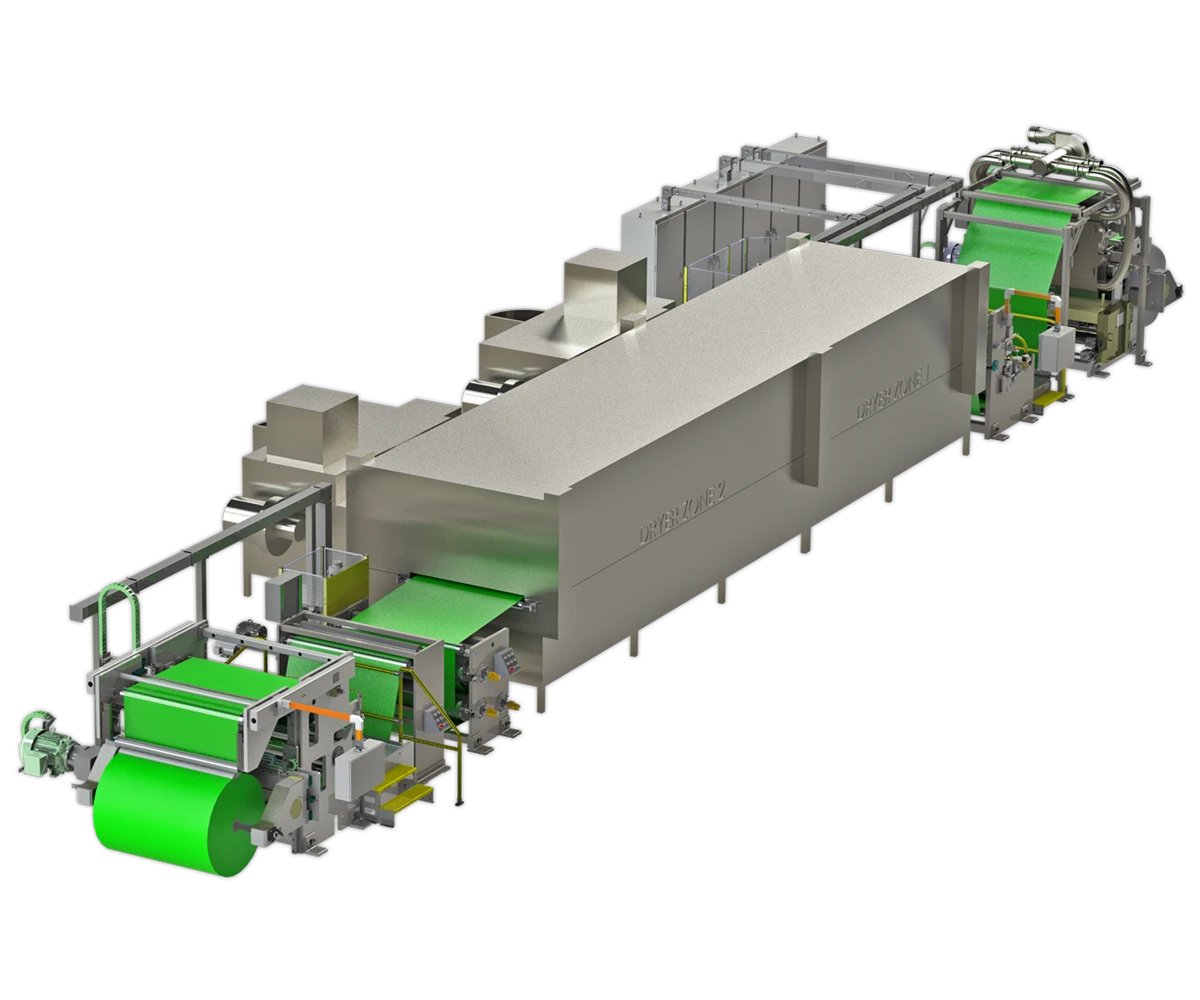
Steel belt systems perform reliably in demanding environments including furnaces, ovens, and foundries. Their durability, low maintenance requirements, and long service life make them a strong choice for rugged industrial applications where conventional belt systems may not hold up.
Stranded Chain Conveyors
Stranded chain conveyors use durable metal chains to transport heavy or bulky materials that require exceptional strength and abrasion resistance. These systems typically consist of two or more parallel chains running along rollers, pulleys, or sprockets.
Loads are moved either by friction between the chains and rollers or through sprocket-driven motion. Stranded chain conveyors can operate horizontally, vertically, or at an incline, making them highly adaptable for demanding manufacturing and material handling environments.
Slider Bed Conveyors
Slider bed conveyors are a type of belt conveyor that use a solid, flat surface to support and move the belt. They are well-suited for applications requiring smooth, consistent movement with minimal friction and maintenance.
Commonly used in packaging, sorting, inspection, and light assembly operations, slider bed conveyors handle light to medium loads and can be configured with varying belt materials, widths, and speeds to meet specific production needs.
Steel Roller Conveyors
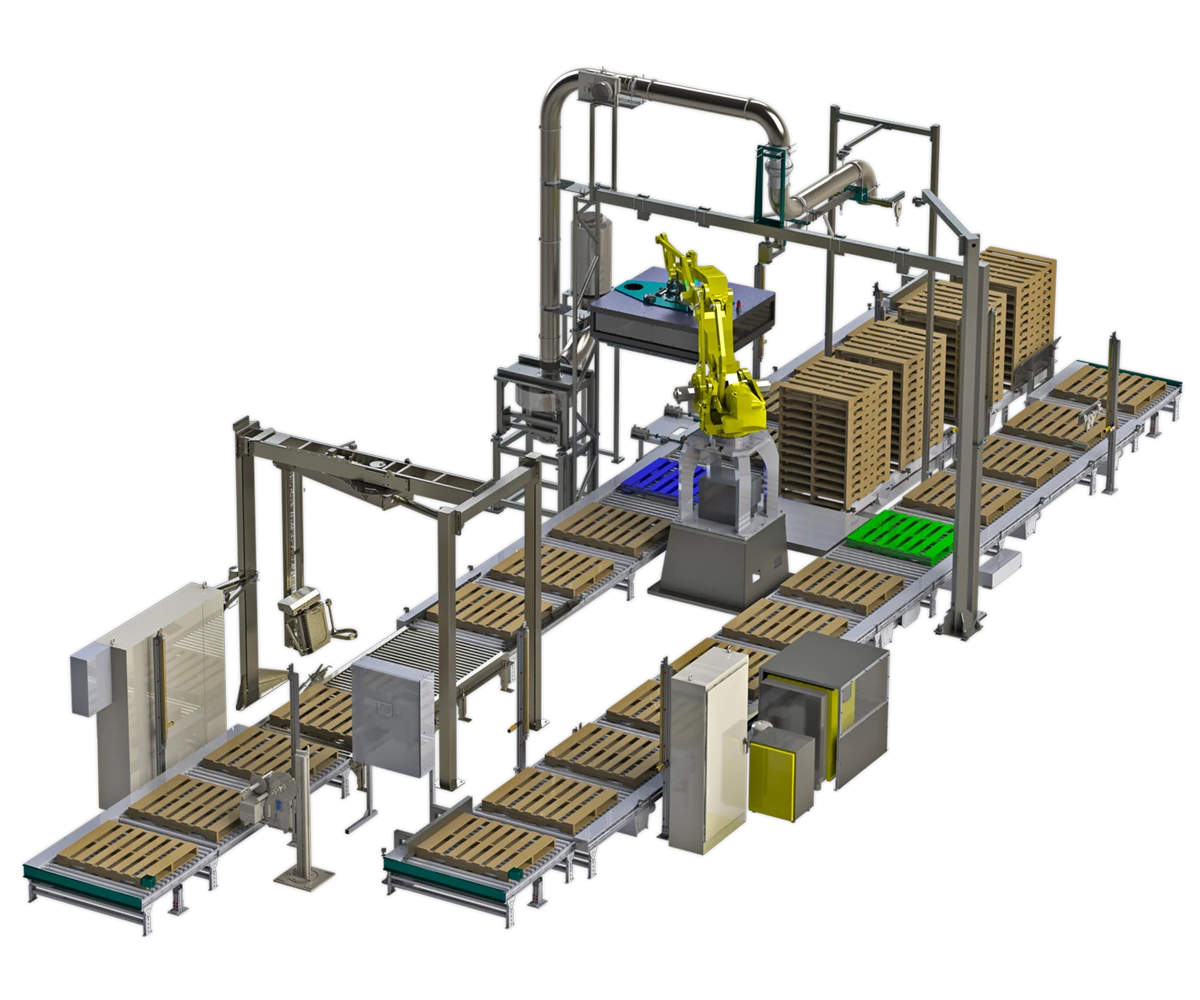
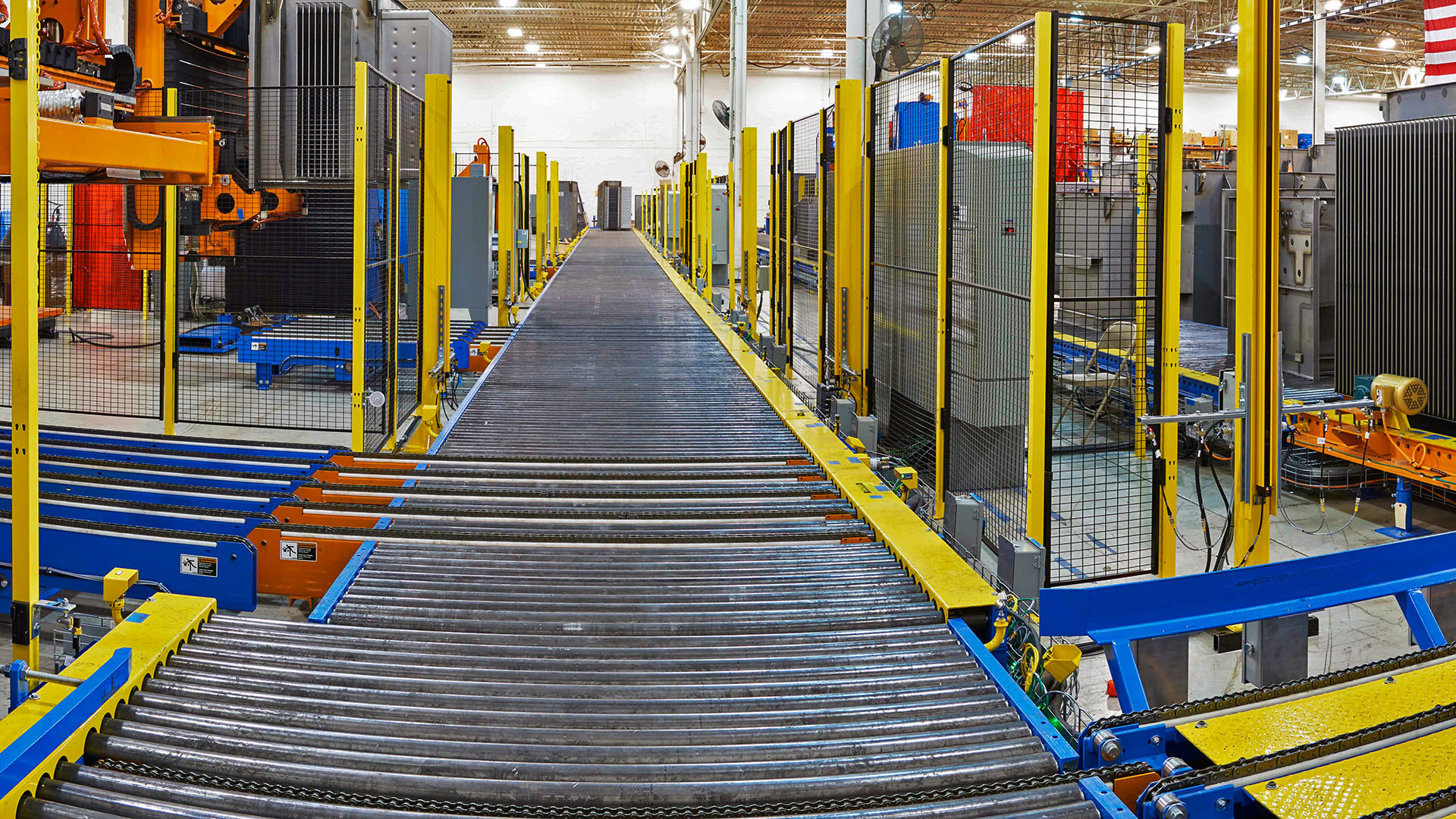
Steel roller conveyors provide smooth, controlled movement of products across production and distribution environments. Designed for durability, these systems can handle heavy loads, resist corrosion and abrasion, and operate in high-temperature conditions.
Steel roller conveyors are easily customized and often integrated with automation systems, sensors, and robotic cells to improve material flow and production efficiency.
Motor-Driven Roller (MDR) Conveyors
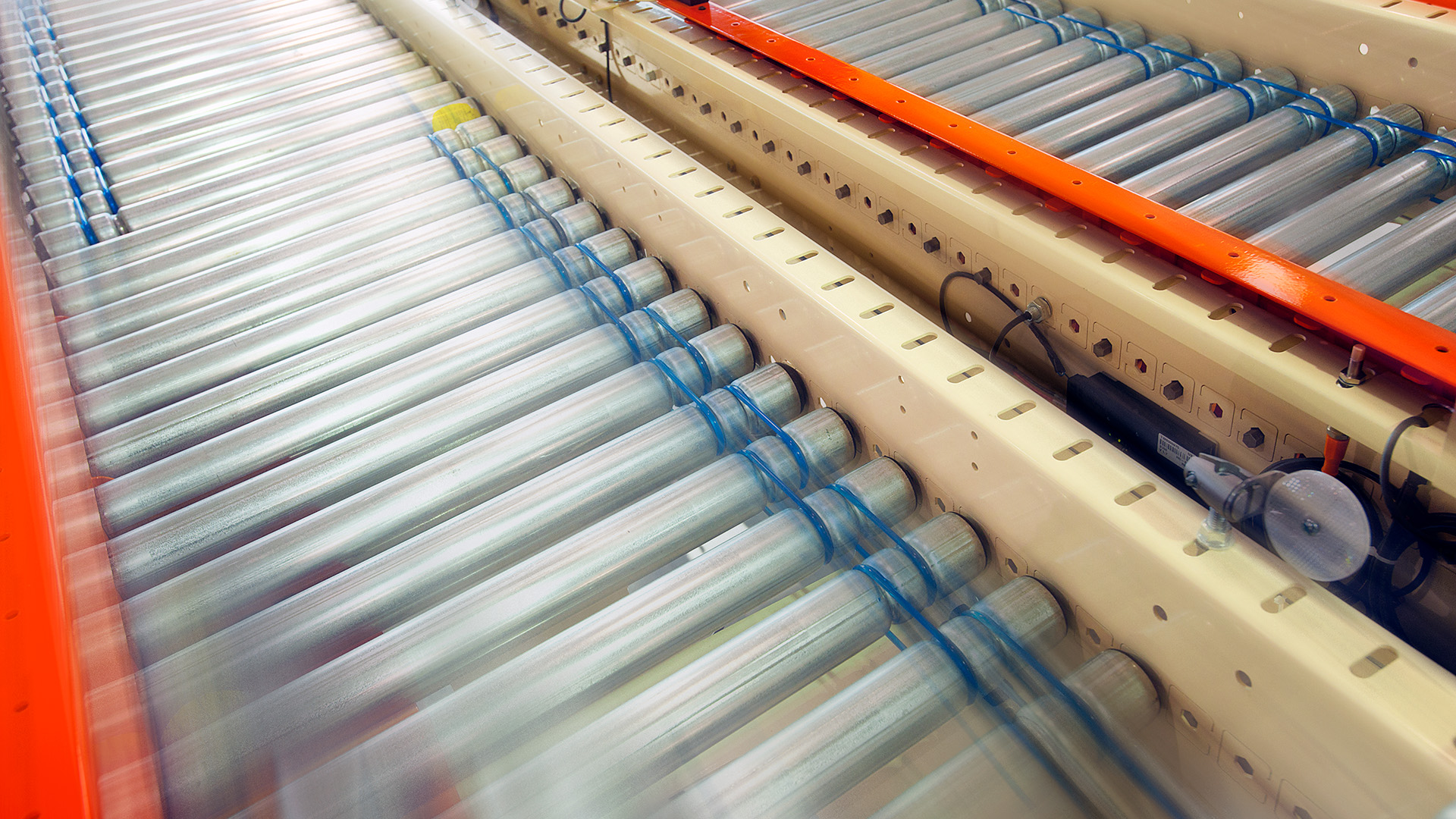
Motor-Driven Roller (MDR) conveyors are increasingly popular in modern material handling automation systems, particularly in warehouses, distribution centers, and e-commerce fulfillment operations.
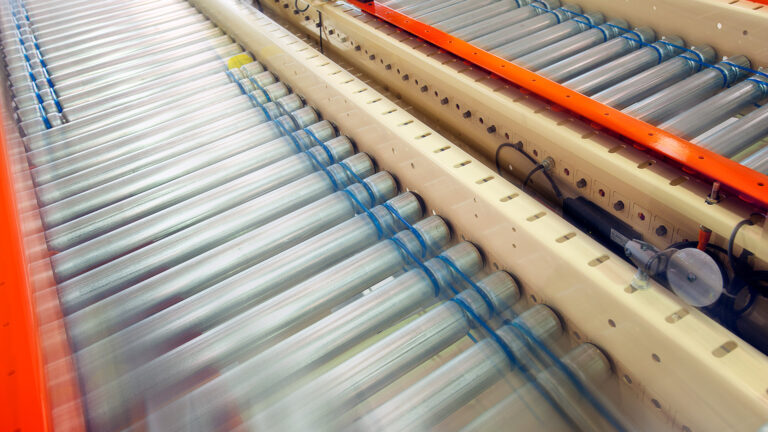
Unlike traditional conveyors, MDR systems use 24VDC motors embedded directly inside individual rollers. Unlike traditional conveyors, MDR systems use 24VDC motors embedded directly inside individual rollers.
Materials Recovery Facility (MRF) Sorting Lines
Materials Recovery Facility (MRF) sorting lines are specialized conveyor systems used in recycling operations to separate materials efficiently. These systems incorporate belts, screens, magnets, and optical sorters to move and divert waste streams into designated bins or containers.
MRF conveyor systems reduce manual labor, increase recovery rates, and improve the overall efficiency of recycling operations.
Integrated Conveyor Automation Solutions
At MWES, we don’t just supply conveyors — we engineer fully integrated material handling automation systems that combine conveyors, robotics, vision systems, controls, and safety solutions into one coordinated production flow.
Whether your application requires heavy-duty industrial conveying or intelligent MDR-based distribution automation, our team delivers custom conveyor solutions built for performance, scalability, and long-term ROI.
If you’re looking to modernize your facility with conveyor systems, MWES can design and integrate the right system for your operation.
Ready to automate your material flow?
Contact us today to discuss your conveyor automation project.